Navigating the Labyrinth: Understanding Form N258B
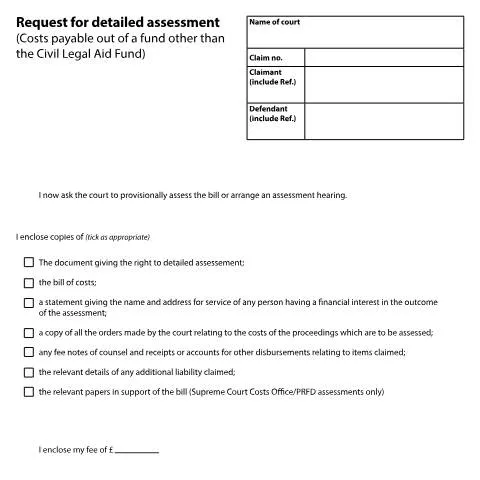
When individuals or entities engage with the legal system in the UK, they often encounter a multitude of forms and procedures. One such pivotal document is the Request for Detailed Assessment of Costs Payable Out of a Fund: Form N258B, which holds significant importance within the context of cost assessments in court proceedings. This form specifically pertains to cases where costs need to be assessed from funds other than the Community Legal Service Fund, thereby offering a pathway for claimants and defendants alike to scrutinise and clarify financial obligations arising from legal actions.
A Distinct Role in the Judicial Process
The N258B form stands apart from other cost-related documentation, such as Form N258, which pertains to the Civil Legal Aid Fund. Understanding this distinction is essential for correct processing. The N258B is designed for cases funded by alternate means, making it crucial for parties who find themselves outside the remit of state-funded legal aid but still require formal assessment of their costs. Commonly involved parties include:
- Claimants seeking to recover legal costs from a fund.
- Defendants contesting the costs incurred against them.
- Legal representatives acting on behalf of clients.
The Journey from Initiation to Assessment
Filing the N258B is often the culmination of a longer process following a court case. Here's a breakdown of the typical steps leading up to the completion and submission of this form:
- Preparation of the Bill of Costs: Following the conclusion of a case, the party seeking assessment must compile a detailed bill of costs. This document outlines all incurred expenses during the legal proceedings.
- Document Compilation: Alongside the bill of costs, parties must gather supporting documents, which may include court orders, fee notes from counsel, and any additional liability details.
- Completion of Form N258B: Fill out the form accurately, ensuring that all necessary sections are addressed and that the appropriate enclosures are included.
- Submission to the Court: Submit the completed form and accompanying documents to the designated court, following the specific instructions in the form.
- A Hearing Date: Depending on the circumstances, a hearing may be scheduled for the court to review the submission.
Who Should Engage with the N258B Form?
This form primarily serves those who are navigating the complexities of costs recovery outside the parameters of the Civil Legal Aid scheme. Potential users include:
- Individuals or businesses who were involved in litigation: They may have incurred significant expenses that they wish the court to assess.
- Legal representatives: Solicitors or barristers assisting clients with cost assessments must be well-versed in the procedural nuances related to Form N258B.
- Trustees or receivers: In instances where a fund is being administered, such third parties may also need to engage with this assessment process.
While the form is generally straightforward, the profiles of users can vary greatly, leading to unique considerations and potential pitfalls during completion.
Dissecting the N258B: Essential Sections and Pitfalls
Completing the N258B requires attention to detail. Let’s explore the critical sections of the form, highlighting potential pitfalls that users should be wary of:
| Section | Description | Common Pitfalls |
|---|---|---|
| Claim Number | The unique identifier assigned to your case. | Omitting or incorrectly entering the claim number can lead to delays. |
| Details of Documents Enclosed | Check the appropriate boxes corresponding to the documents being submitted. | Failing to include necessary documentation can result in the court dismissing the application. |
| Fee Payment | Indicate the fee enclosed for processing the request. | Not providing the correct payment can halt the assessment process. |
| Signature and Date | Ensure the form is signed by the appropriate party. | Unsigned forms or incorrect signatories can invalidate the submission. |
The Role of Supporting Documents
What sets the N258B apart from mere applications is the necessity of supporting documentation. Each of these documents adds a layer of credibility to the request, ensuring that the court has a comprehensive view of the expenses incurred. Here’s a closer look at what you might need:
- Bill of Costs: A detailed account of all legal costs incurred, broken down by category.
- Fee Notes: Receipts or invoices from legal representatives detailing their charges.
- Relevant Court Orders: Any orders that pertain to the costs relevant to the assessment are imperative for context.
- Financial Interest Statements: If any parties have a financial interest in the outcome of the assessment, their details must be provided.
Each document serves to substantiate your request, enabling the court to render an informed decision regarding the assessment of costs.
After Submission: What Comes Next?
Once Form N258B and its supporting documents are submitted, the parties involved should prepare for several potential outcomes:
- Preliminary Assessment: The court may conduct a provisional assessment based on the submitted materials, which could lead to an immediate resolution.
- Hearing Schedule: More complex cases may necessitate a hearing where both parties can present their arguments regarding the assessed costs.
- Decision Communication: The court will communicate its decision in writing, detailing any costs awarded or further actions required.
Understanding these potential outcomes is crucial for managing expectations and preparing for subsequent steps in the judicial process.
Key Considerations for Successful Applications
Approaching the N258B with a strategic mindset can significantly influence the success of your application. Here are some key considerations:
- Thorough Preparation: Ensure all documentation is complete and accurate.
- Clear Justifications: Provide clear, concise reasons for your request, supported by the enclosed documents.
- Timeliness: Be mindful of any deadlines related to cost assessments to avoid potential complications.
Taking these measures can enhance the chances of a favourable outcome when engaging with this essential form.
The Broader Context of Cost Assessments in UK Courts
Understanding the N258B requires a grasp of the broader framework within which cost assessments operate in the UK legal system. This form fits within a larger context of cost management and recovery which is governed by rules and practices aimed at ensuring fairness in legal proceedings. Some elements to consider include:
- The principles behind costs recovery, which aim to ensure that parties are not unfairly burdened by excessive legal costs.
- The role of the court in managing costs assessments, ensuring that both claimants and defendants have a fair opportunity to present their cases.
- Interactions with other forms and processes, such as the relationship between the N258B and the Civil Legal Aid framework.
This comprehensive understanding can empower users of Form N258B to navigate the complexities of the court system more effectively.
The Final Steps Before Filing: Practical Tips
Before you file the N258B form, consider these practical tips to avoid common pitfalls and ensure a smooth submission process:
- Double-Check Everything: Review all entries for accuracy and completeness. A small oversight can lead to complications down the line.
- Consult a Legal Professional: If uncertainties arise, consider seeking advice from a legal representative to ensure compliance with all requirements.
- Keep Copies: Always retain a copy of your completed form and all accompanying documents for your records.
These final steps can safeguard against errors and facilitate a more streamlined assessment process.
Understanding Form N258B: A Comprehensive Overview
Form N258B is a crucial document in the UK legal landscape, particularly when dealing with financial assessments in court proceedings. This form is used to request a detailed assessment of costs payable out of a fund. Understanding the intricacies of Form N258B is vital for individuals involved in legal cases where costs are to be claimed from a fund, whether it's due to the outcome of a court case, a settlement, or other legal liabilities.
To effectively navigate the process of requesting a detailed assessment using Form N258B, one must first grasp its components and the context in which it is applied. The form is typically submitted to HM Courts & Tribunals Service (HMCTS), and it is essential to ensure that all information provided is accurate and complete. Mistakes or omissions can lead to delays and possible rejections of the application.
Key Sections of Form N258B
Form N258B consists of multiple sections that require careful attention. Here’s a breakdown of the key areas:
- Applicant's Details: This section requires the full name, address, and contact information of the applicant, often the individual or entity seeking the assessment.
- Details of the Fund: Here, applicants must describe the nature of the fund from which costs are to be paid. This includes the fund's purpose, origin, and any relevant identifiers.
- Overview of Costs: Applicants must provide a detailed breakdown of the costs incurred, which may include fees for legal representation, expert witnesses, court fees, and any other expenses directly related to the case. It's advisable to keep meticulous records and include invoices or statements as supporting documentation.
- Supporting Evidence: This section is critical and often pivotal in the assessment process. Providing comprehensive evidence that justifies the costs you are claiming is essential. Failure to do so may result in a reduced award or denial of the request.
Filing Process and Timelines
Once Form N258B is completed, it should be submitted to the appropriate court where the original case was heard. It's important to verify which court holds jurisdiction over your request, as filing in the wrong location can delay proceedings.
Fill in your form directly online
No printing: type your details into the boxes of the official form, tick, then download the PDF ready to send.
- 1Type into the form boxes
- 2Tick in one click
- 3Save and download the PDF
Additionally, applicants should adhere to relevant timelines. Typically, there is a statutory time-frame within which the detailed assessment must be requested following a judgment or settlement. This usually aligns with the court order or settlement terms. Failing to adhere to this timeline may result in losing the right to claim costs altogether.
Moreover, it’s advisable to keep copies of all submitted documents, including the submitted Form N258B and any attachments. These may be required for future reference or in case of any disputes regarding the claims made.
Common Pitfalls and How to Avoid Them
When submitting Form N258B, several common pitfalls can hinder the process of obtaining a detailed assessment of costs. Understanding these can help applicants navigate the form submission more effectively.
Insufficient Supporting Documentation
One of the most frequent issues applicants face is providing insufficient evidence to support their claims. The court requires clear, itemized invoices and documentation that demonstrate how the claimed costs were incurred. For instance, if you are claiming legal fees, you'll need to include detailed invoices from your legal representative, outlining the work done and the time spent. Failure to provide this documentation can lead to significant reductions in awards or outright rejections.
Incomplete or Incorrect Information
Filling out Form N258B thoroughly and accurately is paramount. Any mistakes or missing information can lead to delays or complications in the assessment process. It's vital to double-check each section for accuracy before submission. Additionally, consider seeking advice from a legal professional if you are unsure about any aspects of the form.
Not Following Court Directions
After submitting Form N258B, courts often issue directions on how to proceed. These directions may include timelines for responding to queries or additional submissions. Ignoring these directions can adversely affect your application. Always ensure you are aware of and comply with any court-specific requirements or deadlines.
The Role of Legal Advice in the Assessment Process
While completing Form N258B can be done independently, seeking legal advice can significantly enhance the likelihood of a successful outcome. Legal professionals with experience in cost assessments can provide invaluable input, ensuring that applicants understand the nuances of the assessment process.
Benefits of Legal Support
Engaging a solicitor or legal advisor can help in several ways:
- Expertise in Cost Assessment: Legal professionals understand the types of costs that are recoverable and can help you tailor your claim to maximize your chances of success.
- Preparation of Evidence: Legal experts can assist in compiling and organizing supporting documentation, ensuring that everything is presented in a coherent manner that meets court expectations.
- Representation in Court: If the assessment is contested, having legal representation can be crucial. A solicitor can argue your case effectively, advocating for the full recovery of your claimed costs.
Cost Considerations
It's important to consider the costs associated with hiring legal advice. While legal representation can be an added expense, the potential for recovering higher costs through proper representation can outweigh the initial outlay. Additionally, some legal aid options may be available based on your financial situation, particularly for those with limited resources.