Navigating the Appeal Process with the Intellectual Property Office
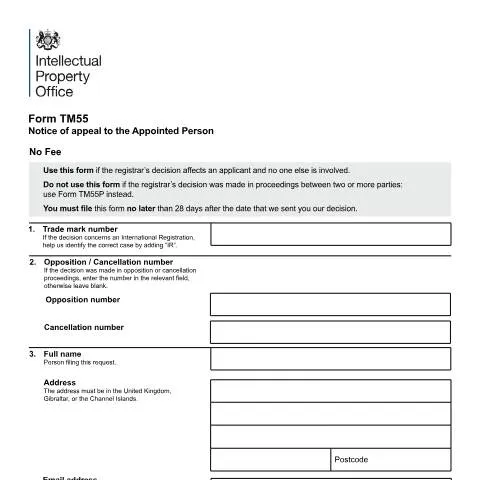
Understanding the intricacies of the appeal process can be a daunting task, especially when dealing with decisions related to trademarks. The Notice of Appeal to the Appointed Person (Ex Parte) from the Intellectual Property Office (IPO) serves as a critical document for individuals who wish to challenge a decision made by the registrar affecting their trademark rights. This guide elaborates on the key components, procedural nuances, and practical steps involved in leveraging this notice effectively.
Understanding the Context of the Notice
This notice is specifically designed for appeals where only one party is affected by the registrar's decision, such as the applicant or a holder of a trademark. It is imperative to grasp its role within the broader framework of the IPO’s procedures. Notably, this document should not be utilized in situations involving two or more parties, where the Form TM55P would be more appropriate. The emphasis here is on individual interests in a trademark rather than collective disputes.
What Happens After Filing the Notice?
Once you submit your appeal using the TM55 form, the IPO will acknowledge receipt. Following this, the case will then proceed to be reviewed by an appointed person—an experienced individual who will assess the merits of the appeal. This phase is crucial as it determines the potential for overturning or upholding the registrar's initial decision. Bear in mind that you must file this notice within 28 days of receiving the registrar’s decision, underscoring the urgency required in this process.
Key Components of the Notice
The TM55 notice comprises several essential components that must be meticulously completed to ensure a smooth appeal process. Understanding each section's significance helps in preparing a robust appeal.
- Trade Mark Number: Identifies the specific trademark in question. If your appeal concerns an International Registration, include "IR" in the identification to assist the IPO in categorizing the appeal correctly.
- Opposition/Cancellation Number: If relevant, entering this number provides context regarding any prior proceedings linked to the decision being appealed.
- Personal Information: The notice requires the full name, address, and email of the individual filing the appeal. This information is crucial for correspondence throughout the appeal's lifecycle.
- Interest in the Trade Mark: This section demands clarity on your standing in relation to the trademark—whether you are the owner, a representative, or an opponent.
- Type of Decision: Clearly specify the nature of the decision being contested, whether it concerns an opposition, cancellation, or examination.
- Reasons for Appeal: This is arguably the most critical section. Articulating clear, well-reasoned arguments for your appeal increases the chances of a successful review.
Common Misinterpretations and Pitfalls
During the appeal process, misinterpretations can lead to significant delays or potentially hinder the appeal altogether. It’s essential to be aware of common pitfalls:
Filing Outside the Deadline
One of the most frequent errors is failing to file the notice within the stipulated 28-day timeframe. Missing this deadline can result in the dismissal of your appeal, regardless of its merits.
Incomplete or Inaccurate Information
Another common issue is providing incomplete or inaccurate information on the notice. Each field must be addressed accurately, as omissions can lead to delays or complications in processing your appeal.
Interconnections with Other IPO Documents
Understanding how the TM55 notice interacts with other documents within the IPO framework is vital for a coherent appeal process. For example, if your case involves multiple parties, employing the TM55P form instead of TM55 is crucial for the correct procedural path. Here’s a brief comparison of the two forms:
| Form | Applicable Circumstances | Type of Parties |
|---|---|---|
| TM55 | Individual appeals affecting one party | Single applicant or holder |
| TM55P | Appeals involving multiple parties | Two or more disputants |
Crafting a Persuasive Appeal
When preparing your reasons for appeal, clarity and conciseness are paramount. Consider the following steps:
- Research: Familiarize yourself with the facts underlying the registrar's decision. Understand the rationale behind their ruling to better position your arguments.
- Structure Your Argument: Clearly outline your points. Start with the most compelling reasons and back them up with relevant evidence or legal precedents.
- Seek Expert Advice: If necessary, consult with a legal expert specializing in intellectual property. Professional insights can provide invaluable guidance in framing your appeal effectively.
Supporting Documentation
In addition to your written reasons, including supporting documentation can bolster your appeal. Relevant documents might include:
- Previous correspondence with the IPO regarding the trademark.
- Evidence demonstrating the validity of your claims or arguments.
- Legal opinions or expert testimonies that reinforce your position.
Maintaining Communication with the IPO
Throughout the appeal process, maintaining open lines of communication with the IPO is crucial. Ensure that you provide a valid email address for correspondence, enabling the IPO to reach you without delays. Here are practical tips for effective communication:
- Respond Promptly: If the IPO requests additional information or clarification, respond as quickly as possible to avoid holding up your appeal.
- Document Everything: Keep copies of all correspondence with the IPO. This record can be useful for reference and in case of any disputes regarding communication.
Understanding the Outcome of Your Appeal
After your appeal has been reviewed, the appointed person will issue a decision. Understanding what this entails is essential:
- Decision Notification: The IPO will notify you of their decision via the email address provided. It is important to monitor your inbox and spam folders regularly.
- Potential Outcomes: The outcome can either affirm the registrar's decision or overturn it. In the event of an unfavorable decision, you may have further options for appeal or, if applicable, reconsideration.
Final Considerations for Trademark Appeals
Engaging with the appeal process requires a thorough understanding of intellectual property law and the procedural aspects of the IPO. While the TM55 provides a framework for appealing decisions, diligent preparation, adherence to timelines, and clear communication are vital. Armed with this knowledge, you are better equipped to navigate the complexities of trademark appeals and effectively advocate for your rights.
Understanding the Process: Filing a Notice of Appeal to the Appointed Person
The process of filing a Notice of Appeal to the Appointed Person, often in an ex parte capacity, is a crucial step for those seeking to challenge decisions made by public authorities or tribunals in the UK. This type of appeal can arise in various contexts, including planning decisions, regulatory issues, or matters concerning public sector procurement.
Firstly, it is essential to comprehend the specific grounds upon which you may appeal. The grounds for an ex parte appeal often rest on procedural irregularities, issues of law, or factual inaccuracies. The appeal is typically made without the presence of the opposing party, which can expedite matters if there is an urgency involved. However, this also places a greater onus on the appellant to ensure that the application is meticulously prepared.
To initiate an appeal, you will need to complete the appropriate form, which is often designated with a reference code like APP-001. This form should comprehensively outline your case, including the details of the original decision, the grounds for your appeal, and any supporting evidence. Accurate completion of this form is critical, as any errors or omissions could result in delays or even rejection of your appeal.
Once the appeal has been lodged, the Appointed Person will review the submission and determine if the case merits a hearing. This decision is usually communicated within a set timeframe. If the appeal is accepted, a hearing date will be scheduled. It is also important to be aware that the Appointed Person has the discretion to request additional documentation or evidence, which means you should be prepared to respond promptly to any such requests.
The Role of Legal Representation in Ex Parte Appeals
While it is possible to file an appeal to the Appointed Person without legal representation, having a solicitor or barrister can significantly enhance your chances of success. Legal professionals bring expertise in presenting complex arguments, understanding procedural nuances, and navigating the intricacies of administrative law, which can all be pivotal in an ex parte appeal.
It is advisable to seek legal advice early in the process, particularly if the matter involves a significant financial stake or complex legal issues. A legal expert can assist in drafting your Notice of Appeal, ensuring that it meets all formal requirements and persuasively articulates your grounds for appeal.
Furthermore, legal representation can prove invaluable during the hearing phase. Experienced solicitors know how to effectively argue your case, cross-examine witnesses if necessary, and respond to the Appointed Person’s inquiries. This level of expertise can help mitigate the inherent risks of self-representation, where a lack of procedural knowledge could lead to adverse outcomes.
Potential Outcomes and Next Steps Following an Appeal
Once a determination has been made by the Appointed Person, several outcomes are possible. The appeal may be allowed, which means the original decision is overturned or modified, or it may be dismissed, leaving the initial ruling intact. In the case of a successful appeal, it is essential to understand the implications of the ruling. There may be additional steps required to implement any changes directed by the Appointed Person.
If your appeal is unsuccessful, it does not necessarily mean the end of the road. You may have options to challenge the decision further, such as seeking a judicial review, depending on the nature of the case and the grounds of your appeal. Engaging with legal counsel is advisable at this stage to evaluate the feasibility and potential success of further action.
Moreover, it's vital to consider the implications of the appeal decision on any related matters, such as further legal obligations or ongoing compliance issues. Maintaining clear records and documentation throughout the process can help in managing these aspects effectively.