Navigating the Appeal Process: Understanding the DRF55 Notice of Appeal
When dealing with unregistered design rights in the UK, understanding the nuances of the appeal process can be daunting. The DRF55: Notice of Appeal to the Appointed Person is a critical document for those wishing to contest decisions made by the Intellectual Property Office (IPO). This guide will delve into the contents of the DRF55, its practical implications, and how to effectively navigate this administrative landscape.
Decoding the DRF55: Content and Scope
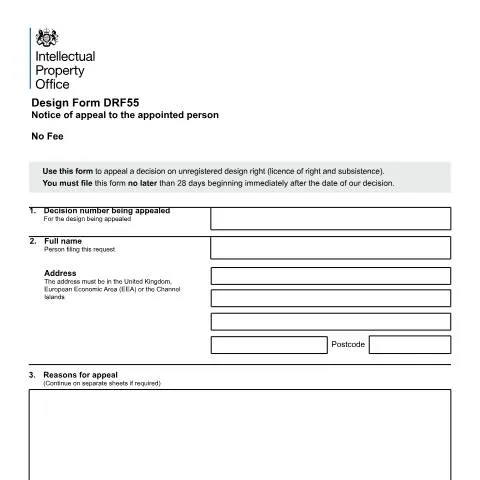
The DRF55 serves as an official notice for appealing decisions related to unregistered design rights, specifically concerning the licence of right and subsistence of design rights. It is essential to recognize what this document does encompass and its limitations:
- The DRF55 focuses solely on decisions related to unregistered designs.
- It does not cover appeals concerning registered designs or other intellectual property matters.
- Submitting this notice does not guarantee a reversal of the initial decision.
To initiate an appeal, you must complete the form and submit it promptly within a 28-day timeframe from the date you received the initial decision. Understanding these critical time constraints is key to successfully navigating the appeal process.
Step-by-Step: Submitting Your Appeal with DRF55
Filing an appeal using the DRF55 requires careful attention to detail. Here’s a breakdown of the steps you need to follow:
- Identify the Decision Number: Begin by locating the decision number associated with the design right you wish to appeal. This number is vital.
- Fill Out Your Personal Information: Provide your full name and a valid address within the UK, EEA, or Channel Islands. Ensure your postcode is accurate to avoid any correspondence issues.
- Articulate Your Reasons for Appeal: Clearly specify the reasons for your appeal in the designated section. If your arguments require more space, feel free to attach additional sheets.
- Signature Requirement: Sign the form, either by typing or handwriting your name in block capitals. Don’t forget to include the date of your signature.
- Provide Reference Information: If you have a personal reference under which you wish the IPO to address communications, include it here. Otherwise, this section can be left blank.
- Contact Information: Include your daytime telephone number for any follow-up queries regarding your appeal.
Lastly, make sure to double-check that all sections are completed accurately before sending your appeal, as incomplete forms can lead to delays.
A Common Query: Where and How to Submit Your DRF55
Once your DRF55 is filled out, the next step is submission. You have two options:
- Email Submission: For a faster processing time, submit your completed form as a PDF via email to [email protected].
- Postal Submission: If email is not an option, you can print and mail your form to the Intellectual Property Office at the following address:
Intellectual Property Office Concept House Cardiff Road Newport, South Wales, NP10 8QQ
Be aware that postal submissions typically take longer to process. Therefore, if you are nearing the appeal deadline, email submission is advisable.
Key Concepts in Intellectual Property Appeals
Understanding certain terminologies and concepts can enhance your ability to craft a compelling appeal. Here are some crucial terms you should be familiar with:
- Unregistered Design Rights: This represents a form of protection for the visual appearance of a product that arises automatically without registration.
- Licence of Right: A condition under which a right owner allows others to use their design legally, often in exchange for a fee.
- Subsistence: Refers to the existence or validity of the design right itself.
Grasping these concepts is integral to articulating your reasons for appeal effectively. Misinterpretation of these terms can lead to weaknesses in your argumentation.
Addressing Common Misunderstandings About the DRF55
While the DRF55 is a straightforward document, there are frequent misconceptions that can hinder an effective appeal:
1. Misunderstanding the Time Frame
Many individuals miscalculate the 28-day appeal window. Remember, this period starts immediately after the IPO’s decision date. Plan accordingly to ensure your notice is filed on time.
2. Overlooking Signature Requirements
It’s easy to forget to sign the form. Whether typed or handwritten, a signature is mandatory for the appeal to be valid. An unsigned appeal will not be accepted.
3. Incomplete Justifications
Simply stating dissatisfaction with the decision will not suffice. Your reasons should be clear and well-structured to stand a chance of success.
Best Practices for Crafting Your Appeal Reasons
Your reasons for appealing can make or break your case. Here are some best practices to consider:
- Be Specific: Clearly outline the specific aspects of the decision you are appealing against. Avoid vague statements.
- Support Your Claims: If applicable, reference any evidence or previous decisions that support your case.
- Maintain Professionalism: Keep your tone formal and respectful throughout your appeal.
Taking the time to thoughtfully compose your reasons can significantly enhance the likelihood of your appeal being taken seriously.
The Role of the Appointed Person in the Appeal Process
Understanding the function of the appointed person in the appeal process is crucial. This individual acts as an independent adjudicator who reviews the case and makes a determination based on the merits of the appeal. Key points to note include:
- The appointed person is impartial; their role is not to side with either party but to ensure a fair evaluation of the evidence.
- They possess expertise in intellectual property matters, providing a knowledgeable perspective on the case presented.
- Decisions made by the appointed person can have significant implications for both parties involved.
Recognizing the authority and expertise of the appointed person allows appellants to tailor their arguments effectively, focusing on clarity, evidence, and compliance with legal standards.
Final Thoughts on the Appeal Process
Engaging with the appeal process using the DRF55 can seem overwhelming at first, but understanding its components and requirements is fundamental. Armed with knowledge about the process, key terms, and common pitfalls, you can prepare your appeal more confidently. The IPO values clarity and specificity; thus, ensuring your appeal is well-structured and justified can make a significant difference.
For further assistance, consider consulting resources available on the IPO’s website, which provide additional insights into intellectual property appeals and rights.
Understanding the Appeals Process for DRF55: What You Need to Know
When dealing with a DRF55 notice of appeal to the appointed person, it’s crucial to have a nuanced understanding of the appeals process. This section aims to break down the stages involved in lodging an appeal, as well as the implications of each step.
First and foremost, it's essential to know who the appointed person is. This individual is typically an independent reviewer assigned to consider the appeal based on its merits. Understanding their role can help you frame your case more effectively.
The appeals process begins once you submit your DRF55 form. You must ensure that your appeal is submitted within the specified time frame, typically within 30 days of receiving the decision you are contesting. Missing this deadline could result in your appeal being dismissed outright, meaning it's crucial to keep track of these timelines.
Once the appeal is received, the appointed person will review all submitted documents, including the original decision and any additional evidence you provide. Make sure your supporting documents are clear, relevant, and well-organized. Each piece of evidence should directly refer back to the decision being appealed, outlining why it should be reconsidered.
In addition to the written submission, the appointed person may reach out for further clarification or additional documents. Being responsive and informative during this phase can help expedite the process and strengthen your case.
Fill in your form directly online
No printing: type your details into the boxes of the official form, tick, then download the PDF ready to send.
- 1Type into the form boxes
- 2Tick in one click
- 3Save and download the PDF
After reviewing the evidence, the appointed person will issue a decision. This is a critical moment as their ruling may either uphold or overturn the original decision. If your appeal is refused, you may have further options, such as seeking a judicial review, but this route typically requires legal representation.
Common Scenarios Where DRF55 is Utilized
The DRF55 form comes into play in various scenarios involving appeals against decisions made by HM Revenue and Customs (HMRC). Familiarity with these situations can not only prepare you better for what’s to come but also potentially highlight your reasons for appeal more effectively.
One common scenario is when individuals or businesses receive an erroneous tax assessment. For example, if an individual believes that their tax liability has been calculated incorrectly, they can submit a DRF55 to challenge the assessment. In this case, it's vital to gather all relevant documentation, such as previous tax returns, correspondence with HMRC, and any other evidence that can support your claim.
Another frequently encountered situation involves disputes over VAT registrations. If a business has its VAT registration rejected by HMRC, a DRF55 can be submitted to appeal this decision. Here, you must detail why you believe the registration should be granted, including any evidence of your business's operations and compliance with VAT regulations.
Lastly, issues related to PAYE and National Insurance can also lead to the use of the DRF55 appeal. For instance, if an employer believes they have been overcharged or penalized unfairly for PAYE contributions, they can appeal using this form. Clarifying the basis of the employer’s calculations and any discrepancies with HMRC records can greatly enhance the chances of a successful appeal.
Best Practices for Filling Out the DRF55 Form
Filling out the DRF55 form accurately and comprehensively is key to a successful appeal. Below are some best practices to consider when completing this important document.
Begin by carefully reading the instructions accompanying the DRF55 form. Understanding what information is required and the format in which it should be presented can save you time and prevent errors. Pay attention to any word limits or specific details requested, as these can significantly impact the review process.
Be clear and concise in your writing. The appointed person will appreciate a straightforward narrative that outlines your case without unnecessary jargon or complexity. Aim to present your arguments logically, ensuring that each point builds upon the last.
Always provide supporting evidence for your claims. This could include financial statements, correspondence with HMRC, or any other documentation that corroborates your position. Ensure that you reference each piece of evidence correctly within your appeal to facilitate easy cross-referencing.
Furthermore, consider seeking the advice of a tax professional or legal advisor if you are unsure about any aspect of the appeal. Their expertise can prove invaluable and may increase the likelihood of a favorable outcome.
Finally, maintain a copy of your completed DRF55 form and all associated documents. Keeping thorough records can aid in any future correspondence or if additional information is requested by the appointed person.