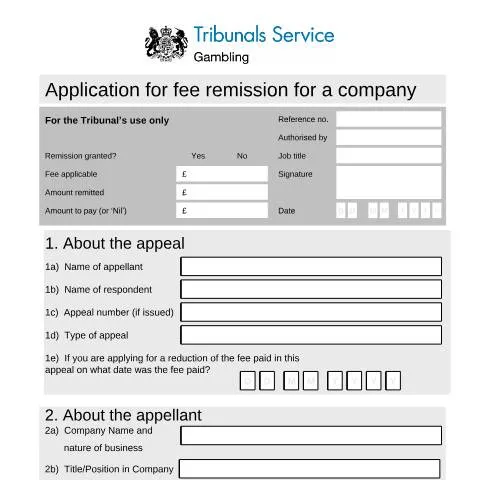
Understanding the Significance of the Fee Remission Form
When navigating the complex world of the UK judicial system, particularly in matters related to gambling, companies may encounter the Form Gambling - Application for Fee Remission for Companies. This document plays a crucial role in allowing companies to apply for a reduction or remission of court fees associated with appeals concerning gambling licenses. Given the potential financial implications of such fees, understanding this form is vital for businesses looking to assert their rights without incurring prohibitive costs.
Navigating the Application Process: Step-by-Step Guide
The process of submitting the Fee Remission Application can be overwhelming. However, breaking it down into manageable steps can facilitate a smoother experience. Here’s a chronological guide to help you through.
- Determine Eligibility: Before you complete the form, ascertain your company’s eligibility for fee remission based on financial circumstances and the nature of the appeal.
- Gather Required Information: Collect necessary details such as the company name, nature of business, annual turnover, and property ownership status. This may include financial audit reports and any evidence of hardship.
- Complete the Form: Fill in the relevant sections of the application form meticulously, ensuring all information is accurate. It’s crucial that you understand each question to avoid any misrepresentation.
- Submit the Form: Once completed, submit the form along with any supporting documents to the appropriate tribunal office. Ensure to keep copies of everything you send.
- Await Response: After submission, anticipate an acknowledgment from the tribunal. The time frame can vary, so patience is key.
Key Components of the Form
Each section of the Fee Remission form must be understood thoroughly to ensure that your application is both complete and accurate. Here’s a breakdown of the relevant sections:
- Company Identification: This includes the company name and nature of the business, which helps the tribunal identify your entity correctly.
- Financial Disclosure: Providing details about your company’s annual turnover and any related financial documents is essential in demonstrating the need for fee remission.
- Declaration of Accuracy: The declaration section stresses the importance of truthfulness in the information provided; any inaccuracies could lead to a rejection of your application.
Understanding the Role of the Tribunal in the Fee Remission Application
The HM Courts & Tribunals Service plays a critical role in processing applications for fee remission. Once submitted, your application is assessed for completeness and factual accuracy. Here’s how the tribunal processes your application:
- Assessment of Documents: The tribunal reviews all submitted documents, including the application form and any financial records.
- Decision Making: An authorized officer will determine whether to grant the remission. They may request additional information or clarification if required.
- Notification: Once a decision is reached, the applicant is notified of the outcome, including the amount of fee refunded (if applicable).
Possible Outcomes and Next Steps
After your application is processed, there are several potential outcomes:
| Outcome | Next Steps |
|---|---|
| Application Approved | Expect notification confirming the remission granted, detailing the fees covered. |
| Application Denied | You can appeal the decision by providing further evidence or addressing any issues highlighted. |
| Additional Information Requested | Timely respond with the required documents to avoid delays in processing. |
What to Do if Your Application is Refused
A refusal can be disheartening; however, it’s important to understand the next steps available to you. Typically, a refusal notice will include a rationale for the decision, which allows you to address any specific concerns raised:
- Review the Refusal Notice: Carefully examine the reasons provided and assess whether there were any misunderstandings or missing information.
- Gather Additional Evidence: If the refusal is grounded in the lack of documentation, compile additional evidence that supports your financial situation.
- File an Appeal: If you believe that the decision was reached in error, you can file an appeal with the tribunal. Ensure to do this within the specified timeframe indicated in the refusal notice.
The Timeline for Fee Remission Applications
One frequently asked question relates to how long the entire process takes. The timeline can vary based on several factors, but here’s a general overview:
- Submission to Acknowledgment: Generally, you should receive an acknowledgment within a few days of submission.
- Application Assessment: The tribunal usually takes between 2-4 weeks to assess standard applications. Complex cases may take longer.
- Notification of Outcome: Once the application is evaluated, notification of the decision is typically sent out promptly, though this can depend on the tribunal's workload.
Potential Delays and Their Causes
Several factors can lead to delays in processing your application:
- Incomplete Applications: If your form lacks necessary details or supporting documents, this may require you to provide further information.
- High Volume of Applications: During peak times, such as the end of the financial year, a backlog may occur due to increased submission rates.
- Complex Cases: Applications requiring extensive review or clarification will take longer to process.
Comparative Overview: Fee Remission vs. Other Forms
It’s essential to distinguish the Fee Remission Application from other related forms that businesses might encounter. Understanding these differences can prevent confusion and streamline your efforts:
| Form | Purpose | Key Distinction |
|---|---|---|
| Form Gambling - Application for Fee Remission | Request reduction of appeal fees for gambling-related matters. | Specifically tailored for companies involved in gambling appeals. |
| Form N244 - Application Notice | General application to the court for various types of orders. | Broader in scope, not limited to fee remission. |
| Form EX160 - Fee Remission Application (Individual) | For individuals seeking to remit court fees. | Designed for personal cases, not company-related matters. |
Final Thoughts: Preparing for Your Application
As you prepare to submit your Fee Remission Application, it’s crucial to approach the process with diligence and understanding. Gathering accurate information and supporting documents will not only enhance your chances of a successful application but also reflect your company’s commitment to compliance. Remember that the tribunal's decision can significantly impact your company’s financial health, making it paramount to get it right the first time.
In conclusion, the Form Gambling - Application for Fee Remission for Companies holds significant weight in the judicial process concerning gambling license appeals. Ensure that you meticulously prepare, submit, and follow up on your application to safeguard your interests effectively.