Navigating the Application Process for Costs from Central Funds
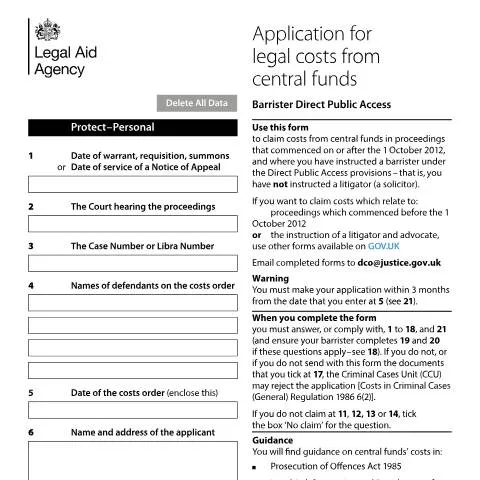
When faced with legal proceedings in the magistrates’ court, understanding how to properly apply for costs from central funds can significantly influence the financial burden on defendants. The Form 5913, known as the "Apply for costs from central funds: Direct Public Access: magistrates’ court,” serves as a critical document in this context. However, the pathway to completion and submission can often feel like a labyrinth. This guide aims to elucidate the intricacies of filling out and submitting Form 5913 effectively, ensuring applicants are well-informed at each step.
Understanding the Central Funds Concept
Central funds are designed to assist individuals who have incurred legal costs in criminal proceedings without the means to pay for them upfront. The Legal Aid Agency oversees this funding, which becomes relevant for cases where defendants have engaged counsel through the Direct Public Access scheme. This structure allows defendants to navigate their legal battles without the necessity of a solicitor, directly instructing barristers instead.
It is crucial to recognize the eligibility criteria associated with this financial assistance. Applicants must ensure their proceedings began on or after 1 October 2012. Claims regarding earlier proceedings require different forms; thus, proceeding with Form 5913 without verifying the date could lead to unnecessary complications.
Decoding the Form: A Section-by-Section Analysis
Filling out Form 5913 can be daunting, particularly with the legal language and specific requirements. Below is a detailed overview of each section, highlighting critical details and common pitfalls.
1. Basic Case Information
- Date of warrant, requisition, summons or Date of service of a Notice of Appeal: Accurately enter this date, as it denotes the timeline of proceedings. This is essential for establishing the validity of your application.
- The Court hearing the proceedings: Clearly specify the court's name to avoid confusion in processing your application.
- Case Number or Libra Number: Ensure this is correctly noted, as it ties your costs claim to the specific legal proceedings.
2. Defendants and Costs Orders
- Names of defendants on the costs order: Only list defendants involved in the cost order. Omitting or incorrectly naming a defendant can lead to rejection of your application.
- Date of the costs order: Submitting an accurate date is critical as this is the last day for your application—three months from this date is the deadline for submission.
3. Applicant and Counsel Information
- Name and address of the applicant: This should reflect your current legal name and address to ensure correspondence reaches you.
- Name of the barrister instructed under Direct Public Access: This is the professional representing you directly. Accuracy here is vital for clarity in costs allocation.
- Barrister’s VAT number: This is necessary for the processing of fees; ensure it is correct to prevent issues with claims.
- Barrister clerk’s telephone number: Providing this contact information facilitates communication between the Criminal Cases Unit (CCU) and the barrister’s office.
4. Synopsis of the Case
Providing a detailed synopsis is paramount. The barrister must prepare a taxation note summarizing the case, including:
- Number of defendants
- Evidence details, including the volume of documentation
- Nature and complexities of the defense
- Any special circumstances warranting attention
This taxation note should be attached to the form, as it plays a pivotal role in justifying your claim.
5. Claiming Barrister’s Fees
In this section, clarity is key. You will detail:
- Type of work performed: Ensure you categorize the work accurately between Fixed and Non-Fixed fees.
- Total claimed: Provide precise figures, itemizing the work done per date to establish transparency. Failure to do this may jeopardize your claim's acceptance.
Submission Pathways: Online vs. Paper
The method of submission can impact the speed and efficiency of processing your claim. While the Legal Aid Agency allows submissions via email, the traditional paper route remains an option for those who prefer it. Below are key differences:
| Submission Method | Advantages | Potential Drawbacks |
|---|---|---|
| Faster processing times; confirmation of receipt | Reliance on technology; potential for technical issues | |
| Paper | Physical documentation; less technical | Longer processing times; no immediate confirmation |
Following Up on Your Application: What to Expect
Once your application is submitted, it may feel like a waiting game. However, applicants have avenues for tracking progress.
The CCU processes claims methodically and will reach out if further information is required. You can typically expect a feedback timeframe of several weeks, depending on the complexity of your case and the volume of applications being processed.
Keep in mind the importance of retaining your submission confirmation and any related correspondence. Should delays occur, refer to these documents when following up with the CCU to inquire about the status of your application.
Special Considerations: Handling Complex Situations
Certain profiles and circumstances may necessitate additional attention during the application process:
- Minors: If the applicant is a minor, additional documentation may be required to prove parental consent.
- Non-UK Residents: Non-residents may need to provide proof of their status and understanding of UK legal proceedings, complicating the application.
- Urgent Cases: For particularly urgent matters, a separate request for expedited processing may be warranted. This must be clearly stated in the application form.
Final Tips for a Smooth Application Process
To optimize your chances of a successful application, consider the following:
- Thorough Review: Before submission, double-check all entries for accuracy—missing or incorrect information can delay processing.
- Complete Attachments: Ensure you attach all requisite documents, as specified in the form. This includes the taxation note, invoices, and any additional evidence supporting your claim.
- Timely Submission: Keep the three-month deadline in mind. Calendar reminders can serve as a helpful prompt.
- Seek Guidance: Should uncertainties arise, consult legal professionals or resources provided on the official GOV.UK website.
By adhering to these guidelines and understanding the nuances of Form 5913, applicants can navigate the complexities of claiming costs from central funds more effectively, ensuring that they are well-prepared to advocate for their financial rights within the legal system.
Understanding the Types of Costs Recoverable from Central Funds
When you apply for costs from central funds under the Direct Public Access scheme in a magistrates’ court, it's vital to understand what types of costs you can claim. The costs generally fall into specific categories designed to ensure that individuals seeking legal representation or assistance can recover necessary expenses incurred in the pursuit of justice.
Fill in your form directly online
No printing: type your details into the boxes of the official form, tick, then download the PDF ready to send.
- 1Type into the form boxes
- 2Tick in one click
- 3Save and download the PDF
These costs typically include:
- Legal Fees: Any fees paid for legal advice or representation, which may involve the work done by solicitors or barristers. It's essential to keep records of all payments made, as these will need to be detailed in your application.
- Court Fees: Fees paid to the court when filing your case or any associated proceedings. This can include fees for applications, hearings, or other court services.
- Travel Expenses: If you have incurred travel costs to attend court hearings or meetings with your legal representative, these can also be claimed. Ensure to retain all travel receipts and document the purpose of your travel.
- Other Disbursements: This may include expenses for obtaining expert reports, photocopying, or other necessary documents that facilitate your case. Keep detailed records and invoices to support these claims.
It’s important to note that the costs should be reasonable and directly related to the case. The court will review your application and may ask for further information or clarification regarding your expenses. Always refer to the Civil Legal Costs Guidance for more detailed instructions on what is acceptable.
Eligibility Criteria for Central Fund Cost Recovery
Before submitting your application for costs from central funds, ensure that you meet all eligibility requirements. The criteria can vary based on the type of case and individual circumstances. Below are key factors to consider:
- Type of Case: The application must pertain to a matter that is eligible for funding. This typically includes criminal cases heard in magistrates' courts or cases that involve specific public interest issues.
- Financial Means Test: Many applicants must demonstrate that they meet a financial means test to qualify for funding. This assessment considers your income, savings, and other financial resources.
- Pro Bono Work: If you have received legal advice or representation on a pro bono basis, it may affect your eligibility. Clarify with your legal advisor how this may impact your application.
- Timeliness of Application: Ensure you submit your application within the stipulated timeframe, usually as soon as possible after the expenses are incurred. Delays can lead to complications or denial of your claim.
To assess your eligibility, you may want to consult with a legal advisor or refer to the guidelines provided by the Legal Aid Agency. They can provide specific information tailored to your circumstances.
Preparing Your Application: Documenting Evidence and Expenses
When preparing to apply for costs from central funds, meticulous documentation is crucial. The magistrates’ court will require comprehensive evidence to support your claim. Here are the essential steps to ensure your application is robust:
- Gathering Receipts: Collect all receipts and invoices related to your legal costs, court fees, and other expenses. Each item should be clearly labeled and categorized for easy reference.
- Detailed Expense Report: Create a detailed report outlining each expense, the date it was incurred, and its purpose. Include any relevant case numbers and the names of legal representatives involved.
- Additional Documentation: Attach any supporting documents that reinforce your claim, such as correspondence with your legal advisors, court orders, or any other relevant paperwork.
- Complete Form 5913: Ensure that you fill out Form 5913 completely and accurately. Double-check all entries for correctness, as any discrepancies may delay your application or lead to a rejection.
- Legal Representation Statements: If applicable, include statements from your legal representatives outlining their involvement in your case and the services rendered, which can substantiate your claims.
Before final submission, consider having your application reviewed by a legal professional. This additional layer of scrutiny can help identify any potential issues or missing documentation that needs addressing.