Navigating the European Enforcement Order Certificate: A Practical Guide
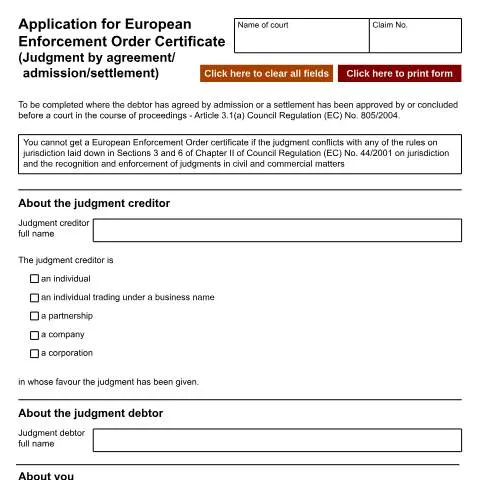
When dealing with cross-border disputes within the European Union, securing a judgment can often feel like an uphill battle. Particularly when it comes to enforcing that judgment across different jurisdictions. This is where the European Enforcement Order (EEO) Certificate becomes crucial, especially in scenarios where a judgment has been reached through agreement, admission, or settlement. Understanding the intricacies of the Form N219 is essential for both creditors and debtors alike.
The Significance of the EEO Certificate in Cross-Border Enforcement
The EEO Certificate, specifically the Form N219, plays a vital role in facilitating the enforcement of monetary judgments throughout the member states of the European Union, particularly when the judgment has been made by agreement or through an uncontested claim. But what does this mean, and how does it affect involved parties?
Key Aspects of the EEO Certificate
- Equivalent Status: The EEO Certificate allows a judgment obtained in one EU member state to be enforced in another without having to go through additional enforcement proceedings.
- Streamlined Process: It reduces the bureaucratic burden by allowing creditors to directly enforce their rights based on a final judgment.
- Legal Clarity: This certificate ensures that legal decisions are recognised and can be acted upon swiftly across borders.
In essence, the EEO Certificate simplifies the execution of judgments across the EU, fostering a more efficient legal landscape for creditors pursuing their debts internationally.
Who Can Apply for an EEO Certificate?
Understanding the eligibility to apply for an EEO Certificate is crucial. The application is particularly designed for judgment creditors—those to whom a monetary amount is owed as a result of a court ruling. But what are the specific conditions that must be met for an individual or entity to qualify?
Eligibility Criteria
- Judgment Existence: There must be a valid judgment by a court in a member state; this judgment must not have been stayed, varied, or set aside.
- Nature of the Judgment: The judgment should be in relation to a civil or commercial matter, clearly specifying an amount owed.
- Debtor Agreement: The debtor must have either expressly agreed to the judgment through admission or through an approved settlement.
- No Jurisdictional Conflicts: The judgment must not conflict with jurisdictional rules established by EU regulations.
These criteria ensure that the EEO Certificate is only issued when there is a clear and enforceable judgment that has been acknowledged by the debtor, providing a straightforward way forward for the creditor.
The Application Process for Obtaining the EEO Certificate
Applying for an EEO Certificate may seem daunting, but it can be broken down into manageable steps. Those aspiring to enforce a judgment through this avenue must closely follow the outlined procedures. Here’s how to do it effectively:
Step-by-Step Guide
- Gather Required Documents: Ensure you have all necessary items, including the completed EEO Certificate, the original judgment, and a costs certificate if applicable.
- Fill in Form N219: This form must be completed accurately, stating that the judgment has not been contested and outlining the specifics of the agreement or settlement that led to the judgment.
- Make a Witness Statement: You must provide a witness statement confirming that you are authorized to proceed with the application. This statement should assert that all information provided is true.
- Submit the Application: Hand in your application, including all supporting documents, to the relevant court that issued the original judgment.
It’s essential to review the application thoroughly to avoid any errors that might delay the process. Be sure to deliver all documents as specified to the relevant court under the jurisdiction where the judgment was made.
What Happens After Submission?
Once the application for the EEO Certificate is submitted, what can you expect in terms of timeline and potential challenges? Understanding this phase can help manage expectations and facilitate a smoother process.
Processing Time and Potential Issues
- Processing Duration: Generally, the court aims to handle applications expediently, though specific timelines can vary based on jurisdiction and court workload.
- Judgment Verification: Expect the court to verify the judgment's validity and ensure compliance with EEO regulations.
- Potential Rejection: If there are discrepancies or if the judgment does not meet the necessary criteria, the court may reject the application. In such cases, you will receive a notice detailing the reasons for rejection.
Being proactive and prepared can significantly aid in navigating this phase of the process, ensuring that all documentation is meticulously checked and submitted in accordance with judicial requirements.
Understanding the Legal Value of the EEO Certificate
Once successfully obtained, the EEO Certificate carries significant legal weight. Nonetheless, it’s crucial to grasp precisely what this document attests and its implications for both creditors and debtors.
Legal Implications of the EEO Certificate
The EEO Certificate serves as proof that the judgment is enforceable across EU member states under specific conditions.
The implications of this status are manifold:
- Recognition Across Borders: The EEO Certificate assures creditors that their judgment can be enforced without further proceedings in other EU jurisdictions.
- Legal Confidence: With this certificate, creditors can initiate enforcement actions against debtors in different countries, significantly increasing the likelihood of recovering debts.
- Protection for Debtors: On the flip side, it should be noted that debtors are afforded certain protections under EU law, as the EEO cannot be applied where it contradicts the provisions of domestic law.
In essence, the EEO Certificate plays a pivotal role in streamlining the enforcement of judgments, enhancing legal certainty for creditors while ensuring that debtors are treated fairly within the constraints of EU regulations.
Handling Common Issues: Loss, Errors, and Disputes
Despite careful preparation, issues can arise post-application. Knowing how to address common problems will save time and uphold your legal standing.
What to Do in Case of Problems
- Loss of Certificate: If the EEO Certificate is lost, immediate action should be taken. Notify the court that issued the certificate as they can issue a replacement.
- Errors on the Certificate: Should you notice any inaccuracies, contact the court to rectify the details. Prompt action is essential to ensure the enforcement process is not hindered.
- Disputes Regarding Enforcement: If the debtor contests the enforcement, you may need to prepare for legal proceedings to resolve the matter. Having legal representation is advisable in such cases.
These scenarios underline the importance of maintaining accurate records and being proactive in managing your application and related documents.
Practical Insights: Maximizing the EEO Certificate's Utility
Aside from understanding the procedural aspects of acquiring an EEO Certificate, it’s vital to leverage its advantages effectively. Here are some key insights for maximizing its utility:
Strategic Considerations for Creditors
- Prompt Application: As soon as a judgment is received, consider applying for the EEO Certificate, especially if there is potential mobility of the debtor across borders.
- Expert Legal Assistance: Consulting with legal professionals who specialise in cross-border claims can provide significant advantages, ensuring compliance and strategic use of the EEO Certificate.
- Documentation Management: Keep all related documents organized and secured, as rapid access can be crucial when pursuing enforcement actions.
Adopting these practices will streamline processes and enhance the efficacy of leveraging the EEO Certificate across EU jurisdictions.
The European Enforcement Order Certificate (Form N219) is more than just a document; it represents a vital instrument in ensuring the enforcement of legal rights across borders. For any creditor engaged in cross-border disputes, obtaining this certificate is a significant step toward effective debt recovery in the ever-complex landscape of international law.
Understanding the European Enforcement Order Certificate
The European Enforcement Order (EEO) certificate is a crucial instrument for enforcing uncontested civil claims across EU member states. This certificate is particularly relevant when you have obtained a judgment by agreement, admission, or settlement in the UK and wish to enforce it in another EU country. The EEO simplifies cross-border enforcement without the need for a declaration of enforceability in the enforcing state.
One of the key advantages of the EEO is that it can be issued for any monetary claim that is of a fixed amount. The claimant must ensure that the judgment meets the necessary criteria, which include being enforceable in the UK and resulting from a civil matter, such as contracts, debts, or damages. Additionally, the judgment must have been made in compliance with the relevant legal procedures, ensuring that the parties involved had the chance to be heard and present their case.
It's important to note that the EEO can only be requested for judgments that have been made after the relevant regulations were introduced. For judgments made prior to this, different enforcement mechanisms may need to be explored. To apply for the EEO certificate, you will need to complete Form N219, which requires specific details about the judgment, including the nature of the claim, the parties involved, and any relevant dates.
Key Considerations When Completing Form N219
When filling out Form N219, attention to detail is paramount. Ensure that all sections are completed accurately, as any errors or omissions could lead to delays in the processing of your application. Here are some key considerations to keep in mind:
Judgment Specifics: Clearly state the judgment amount, the date it was issued, and any relevant references. The specifics of the case must match precisely with the documentation you submit. If the judgment was given in a settlement agreement, include details of the settlement terms.
Details of Parties: Provide full names and addresses of all parties involved, including the claimant and the defendant. If the claim was settled out of court, include any agreements made during this process that confirm the terms of the settlement.
Supporting Documentation: Alongside Form N219, it is crucial to attach any supporting documentation that validates the claim. This may include copies of the original judgment, correspondence regarding the agreement or settlement, and any prior notices sent to the debtor regarding the claim.
Legal Representation: If you are represented by a solicitor, include their details on the form. This not only simplifies communication but also establishes legitimacy in your application.
Languages and Jurisdiction: The form must be completed in English if you are applying from the UK, and you should be aware of the jurisdictional rules that apply in the country where you intend to enforce the judgment. Some states may require translations of documents.
Filing and Fees: Check if there are any applicable filing fees associated with submitting Form N219. Payment methods can vary, and understanding the process can help avoid unnecessary delays.
Common Challenges and Solutions in EEO Applications
Navigating the process of applying for a European Enforcement Order certificate can be complex, and applicants often face several challenges. Here, we address some common issues and how to effectively tackle them:
Inaccurate Information: One of the most frequent reasons applications are delayed or rejected is due to inaccurate information on Form N219. Double-check all entries against the original judgment and ensure consistency throughout your documentation. Having someone else review your application can help catch any mistakes.
Insufficient Supporting Documents: Not providing all necessary documents can lead to application rejection. Familiarize yourself with the complete list of required documentation based on your specific case type. If you are unsure, consult the guidance from HM Courts & Tribunals Service.
Timing Issues: Ensure that you are applying for the EEO certificate within the appropriate timeframe. If too much time has passed since the judgment or settlement, legal remedies may be limited. Understanding the time limits for enforcing judgments in different jurisdictions is critical.
Cultural and Legal Differences: If you are applying to enforce a judgment in a different EU country, familiarize yourself with any cultural or legal differences that may impact enforcement. Each member state has its procedures, and what works in one country may not be applicable in another. Consulting with a legal expert familiar with the laws of the enforcing country can be invaluable.
Communication with Authorities: Maintain clear communication with the relevant authorities throughout the process. If you encounter delays or issues, reach out proactively to seek clarification. Records of all communications can be beneficial should disputes arise later.
Debt Recovery Strategy: Consider working with a debt recovery agency or legal expert who specializes in international enforcement. They can provide tailored advice based on your specific case and increase your chances of successfully obtaining the EEO certificate.
By anticipating potential hurdles and preparing effectively, you can streamline your application process, ensuring a smoother path to enforcing your judgment across borders.