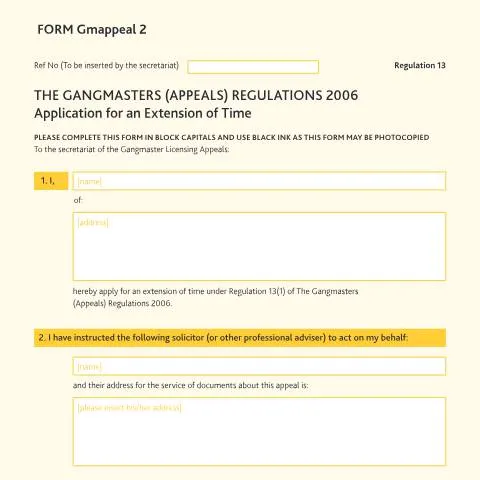
Navigating the Process: What to Know for Form Gmappeal 2
When faced with a decision regarding your status as a worker or business in the UK, the ability to appeal is crucial. However, there are instances where the timeline for submitting an appeal can feel overwhelmingly tight. The Form Gmappeal 2, an official document managed by the HM Courts & Tribunals Service, provides a way to request an extension of time for your appeal. Understanding the nuances of this form is essential for anyone engaging in the appeals process under the Gangmasters (Appeals) Regulations 2006.
Understanding the Framework: The Gangmasters (Appeals) Regulations 2006
The foundation of the appeal process is set by the Gangmasters (Appeals) Regulations 2006. This legislation outlines the rights of individuals who wish to contest a decision made by the Gangmasters Licensing Authority (GLA). Form Gmappeal 2 serves as a formal request to extend the time allotted for submitting appeals under these regulations.
Regulation 13(1) specifically allows applicants to seek additional time to file their appeal, ensuring that those facing genuine challenges have the opportunity to present their case adequately. It is critical to recognise that this form is not merely a formality; it opens doors for genuinely contested decisions, allowing affected parties to seek fairness and justice within the GLA framework.
Who Needs to Submit Form Gmappeal 2?
Form Gmappeal 2 can be relevant for a variety of individuals and entities. Here’s a closer examination of who might need to file this application:
- Workers Seeking Licenses: Individuals who have been denied a license or have had one revoked may require an extension to gather evidence or legal counsel.
- Employers with Licensing Issues: Businesses relying on Gangmasters Licensing may face appeals related to compliance issues or operational decisions affecting their license status.
- Representatives of Affected Parties: Solicitors or other professionals acting on behalf of individuals or businesses may also need to submit the form, provided they have the appropriate authority to do so.
Each of these profiles will have unique circumstances that could necessitate requesting additional time, highlighting the diverse implications of decisions made by the GLA.
Breaking Down the Sections of Form Gmappeal 2
Completing the Form Gmappeal 2 accurately is crucial. Each section requires careful attention to ensure that your application is processed smoothly. Let’s explore the key elements of the form:
- Applicant Information: This section requires you to provide your name and address or, if applicable, the name and address of your solicitor. Ensure that you include accurate contact details to avoid delays.
- Nature and Date of the Disputed Decision: Clearly state the nature of the decision you are appealing and the date it was made. Be as specific as possible, as this provides context for your request.
- Grounds for Extension: Here, articulate the reasons you believe an extension is necessary. This could include challenges in obtaining evidence or legal representation.
- Documents in Support: Attach copies of relevant documents that support your reasons for requesting the extension. These documents are vital in strengthening your application.
- Consent for Extension: This section includes a request for the appointed person’s consent to the extension, which is a critical component in the approval process.
Each part of the form plays a role in building your case for an extension, and missing any detail could jeopardise your application.
Timing is Everything: Understanding Deadlines
When it comes to appeals, timing is paramount. You must submit Form Gmappeal 2 within specific deadlines to ensure your extension request is considered. Here’s an overview of the timing considerations:
Key Dates
- Initial Decision Date: The timeline for filing your appeal begins from when the GLA’s decision was made.
- Submission of Form Gmappeal 2: You must submit this form before the original appeal deadline. Failing to do so may result in the rejection of your application for an extension.
- Processing Time: While there is no fixed processing time, it is advisable to follow up and ensure that your application has been received and is being processed.
Understanding these critical points in time not only helps in submission but also avoids unnecessary complications down the line.
Preparing Supporting Documents: Essential Considerations
The strength of your application will often hinge on the documents you submit alongside Form Gmappeal 2. Here’s how to prepare:
Types of Documents to Consider
- Legal Representation Letters: If you are engaging a solicitor, include a letter of engagement or authority to act on your behalf.
- Evidence Relating to Your Appeal: This could include emails, contracts, or correspondence that supports the grounds of your appeal.
- Previous Communication: Any prior communication with the GLA regarding your situation can add weight to your application.
Each piece of documentation should be clearly labelled and referenced in your application to allow for seamless navigation by the reviewers.
What Happens If Your Extension Request Is Denied?
Receiving a denial for your extension request can be disheartening, but understanding the next steps is crucial. Here’s what to consider:
Response Options
- Review the Decision: Assess the grounds for denial. Understanding why your request was not approved can inform your next steps.
- Seek Legal Advice: Consulting with a solicitor can provide clarity on your options, including potential avenues for appeal.
- Act Quickly: If you choose to contest the decision, ensure you act within the required timeframes to safeguard your rights.
Being proactive in understanding and reacting to a denial can make a significant difference in your ability to move forward.
Submitting Form Gmappeal 2: Navigating the Channels
Deciding how to submit Form Gmappeal 2 can impact the timeline of your request. Here’s a look at the different submission methods:
Available Submission Methods
| Submission Method | Advantages | Considerations |
|---|---|---|
| Postal Submission | Traditional method; physical record of submission. | Longer processing time; potential delays in reaching the Secretariat. |
| Electronic Submission | Quicker turnaround; immediate confirmation of receipt. | Requires understanding of electronic formats; must ensure proper technical setup. |
| In-Person Submission | Opportunity to clarify any doubts directly with staff. | May require travel; potential wait times at the venue. |
Choosing the right method for submission can affect how swiftly your extension request is addressed. Therefore, select the approach that aligns best with your circumstances.
The Journey from Submission to Decision: What to Expect
Finally, understanding the overall process from the moment you submit Form Gmappeal 2 to receiving a decision can prepare you for the journey ahead. Here’s a chronological overview:
- Submission: Ensure that Form Gmappeal 2 is completed and submitted with all required documentation.
- Confirmation of Receipt: If submitted electronically, you should receive a confirmation. For postal submissions, consider following up if you do not receive confirmation within a reasonable time.
- Review Process: The Secretariat reviews your application, taking into account the grounds for your request and any attached documentation.
- Decision Notification: You will be notified of the decision regarding your extension request, detailing any next steps if approved or denied.
Anticipating each of these stages helps manage expectations and prepares you for subsequent actions based on the outcome of your application.
Understanding the Grounds for Extension Request
When submitting Form Gmappeal 2 for an extension of time, it is critical to provide a compelling rationale for your request. Reasons for seeking an extension may vary widely among individuals and cases, providing a spectrum of justifiable grounds. Common grounds include unforeseen circumstances such as personal emergencies, illness, or significant changes in employment that hinder timely submission. Furthermore, external factors like natural disasters or delays caused by third-party professionals can also be considered legitimate reasons.
It’s essential to articulate your situation clearly. This should include detailing the events that led to your inability to meet the original deadline, along with any supporting documents that substantiate your claims. For instance, if your extension request is due to a medical issue, a letter from your healthcare provider may be necessary. Likewise, if your delay is linked to waiting for information or documents from another party, documents that verify your attempts to obtain these should be included as evidence.
Ultimately, your extension request should demonstrate that you acted reasonably and responsibly under the circumstances and that you have made a sincere effort to comply with the original deadline. This thorough approach increases the likelihood that your application will be favorably considered.
Fill in your form directly online
No printing: type your details into the boxes of the official form, tick, then download the PDF ready to send.
- 1Type into the form boxes
- 2Tick in one click
- 3Save and download the PDF
Submitting Form Gmappeal 2: Best Practices for a Successful Application
Completing and submitting Form Gmappeal 2 requires attention to detail and adherence to specific procedures to enhance the chances of a successful application. First and foremost, ensure that you are using the most current version of the form, which can be confirmed through the official HM Courts & Tribunals Service website. Submitting an outdated form may result in delays or your application being deemed invalid.
When filling out the form, take care to provide accurate and concise information. Misrepresentation or inaccuracies can not only delay the process but may also lead to rejection of your extension request. Each section should be completed with clarity, focusing on the specifics of your case while remaining within the confines of the questions asked. Avoid extraneous information that does not pertain to your request, as this can obscure the critical points you want to convey.
Additionally, consider including a cover letter with your application. This letter should outline your request succinctly, reinforcing the reasons for your extension and summarizing any mitigating circumstances. Including a cover letter can provide the reviewing authority with a contextual framework for understanding your application, making it easier for them to relate the facts of your situation to your request.
Lastly, always keep copies of everything you submit, including the completed Form Gmappeal 2 and any attached documents. This will not only serve as a record for your own reference but can also be invaluable if your application encounters any issues during the review process.
Potential Outcomes and Next Steps After Submission
After you have submitted Form Gmappeal 2, it’s vital to understand the potential outcomes and the steps you may need to take based on the decision rendered. The reviewing authority will assess your application based on the grounds you provided, the supporting evidence, and the overall context of your request. If your application is approved, you will receive a confirmation detailing the new deadline for your submission, which will allow you to complete your obligations without facing penalties.
In some cases, the authority may require additional information or clarification regarding your request. If this occurs, it is imperative to respond promptly and thoroughly, addressing all queries raised. Failure to do so may jeopardize your extension approval. Be prepared to provide any further documentation or evidence that may bolster your case and demonstrate the legitimacy of your request.
If your application is denied, you will typically receive a notification outlining the reasons for the refusal. Understanding these reasons is crucial, as it will inform you of any potential avenues for appeal or further action. If your situation allows, you may consider reapplying or seeking a different form of relief based on the detailed feedback provided in the denial.
Moreover, keep in mind that regardless of the outcome, maintaining communication with the authority and being proactive about addressing any outstanding issues can significantly improve your standing and demonstrate your commitment to complying with your obligations.