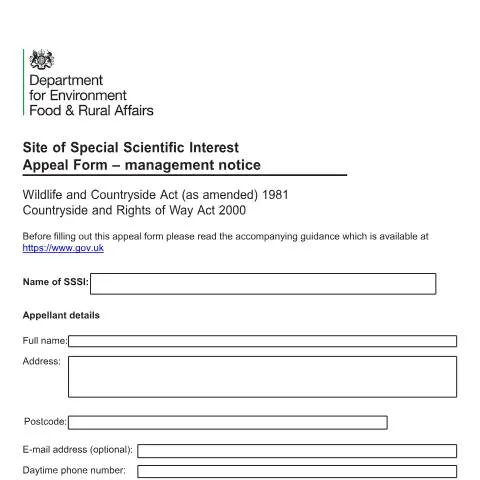
Understanding the Appeal Process for Management Notices on SSSIs
When you're faced with a management notice served by Natural England regarding a Site of Special Scientific Interest (SSSI), the stakes can be high. This document is essential for landowners, occupiers, and stakeholders who may find themselves needing to appeal such notices. The appeal process, while structured, can be daunting if you're not familiar with its intricacies. In this guide, we will delve deep into what the appeal entails, its various facets, and how to effectively navigate it.
The Significance of SSSIs
Before diving into the appeal process, it’s crucial to understand the context of Sites of Special Scientific Interest. SSSIs are designated areas recognized for their unique biological or geological features. Managed under the Wildlife and Countryside Act 1981, these sites are vital for biodiversity conservation within the UK. Consequently, any management notice related to these areas is issued to ensure that the ecological integrity of these sites is maintained.
What Triggers a Management Notice?
Management notices can be issued for various reasons, such as:
- Failure to adhere to a management agreement.
- Changes in land use that may harm the site’s ecological value.
- Neglect or damage to important habitats or species.
Understanding the triggers can help you frame your appeal more effectively, ensuring that you address the core concerns raised in the notice.
Articulating Grounds for Appeal: A Strategic Approach
When preparing your appeal, how you articulate your grounds can significantly influence the perception of your case. The appeal process allows for the presentation of your rationale against the management notice. This section will discuss how to formulate a compelling argument.
Key Elements to Include in Your Grounds of Appeal
Your grounds of appeal should cover several critical areas:
- Legal Basis: Reference applicable laws, such as the Wildlife and Countryside Act 1981, and specify why you believe the notice is unjust.
- Evidence: Provide supporting documents or data that underscore your claims. This may include ecological studies, land use records, or correspondence with Natural England.
- Consultation with Experts: Engage professionals who can offer insights or expert opinions that support your case.
- Contextual Information: Share relevant background regarding your land management practices, previous agreements, or remedial actions taken.
Each of these elements strengthens your position, making your appeal more formidable.
Navigating the Appeal Process: Options and Procedures
Once you have established your grounds for appeal, you must choose how your appeal will be processed. It’s essential to be informed about the available options, as each has its unique format and implications.
Types of Appeal Proceedings
The appeal process can follow three different procedures:
- Written Representation: This is a straightforward method where you submit your argument in writing. It’s a good choice if you prefer to present your case without the pressures of a hearing.
- Hearing: Here, you can verbally present your arguments before an inspector. This format allows for direct interaction and immediate clarification of points.
- Inquiry: This is a more formal procedure, often used for complex cases. It involves a detailed examination of the evidence presented by both parties, conducted in public.
Choosing the right approach depends on the complexity of your case and your comfort level with public speaking.
Essential Documents for Your Appeal
Supporting documentation is indispensable for making a robust appeal. The documents you submit not only provide context but also substantiate your claims. Here’s a breakdown of what you should include.
Key Documents to Gather
Below is a table outlining the essential documents that should accompany your appeal:
| Document | Included (Yes/No) | Date |
|---|---|---|
| NE Management Notice | Yes/No | [Insert date] |
| Associated Maps/Plans | Yes/No | [Insert date] |
| Relevant Correspondence with Natural England | Yes/No | [Insert date] |
| Time Limit Extension Agreement | Yes/No | [Insert date] |
It’s crucial to ensure all the documents listed are thoroughly checked before submission. Missing documents may result in delays or complications in your appeal.
Common Pitfalls and How to Avoid Them
The appeal process can be intricate, and several common pitfalls can undermine your case. Being aware of these can help you navigate the process more effectively.
Frequent Misinterpretations
- Ignoring Time Limits: Ensure you are aware of the deadlines for submitting your appeal. Failing to adhere to these timelines can result in your appeal being rejected.
- Vague Grounds for Appeal: Clearly articulate your reasons for appealing. Ambiguity or lack of clarity can weaken your argument.
- Overlooking Expert Advice: Engaging ecological or legal experts can bolster your case; neglecting this can leave your argument unsupported.
- Not Following Up: After submission, keep track of your appeal status and be proactive in addressing any requests for further information.
By avoiding these pitfalls, you can ensure that your appeal is taken seriously and thoroughly evaluated.
The Role of Stakeholders in the Appeal Process
Understanding who the key stakeholders are and how they interact with the appeal process can provide additional perspective. This knowledge is beneficial, especially for those involved in wider community or conservation projects.
Identifying Stakeholders
Stakeholders can include:
- Landowners: Often the primary appellants, they have direct interests in the management of SSSIs.
- Natural England: The body issuing the management notice and also the one reviewing the appeal.
- Local Communities: Their interests may align with conservation efforts, impacting local biodiversity initiatives.
- Environmental Organizations: Groups focused on conservation may support or oppose appeals based on their ecological interests.
Each group can influence the appeal process; hence, understanding their perspective is crucial for a well-rounded approach.
Practical Steps to Prepare for Your Appeal
Navigating the appeal process effectively requires strategic preparation. This section outlines a step-by-step approach to ensure you’re ready.
A Practical Guide to Your Appeal
- Review the Management Notice: Start by thoroughly understanding the terms of the management notice and the reasons for its issuance.
- Gather Evidence: Collect all relevant documents, including correspondence and any scientific data that supports your case.
- Develop Your Argument: Write a clear and well-structured grounds of appeal that addresses the key points raised in the management notice.
- Choose Your Procedure: Decide whether to proceed through written representation, a hearing, or an inquiry based on your comfort level with public speaking and the complexity of your case.
- Submit on Time: Ensure that your appeal is submitted within the statutory time limits, along with all supporting documents.
- Stay Engaged: After submission, keep communication lines open with Natural England and be ready to provide further information if requested.
Following this guide can significantly enhance your chances of a successful appeal.
Exploring the Limits of the Management Notice
While understanding your rights is vital, it's also important to recognize the limitations of the management notice itself. Not every grievance can be effectively addressed through an appeal process.
What the Management Notice Doesn’t Cover
The management notice primarily focuses on immediate ecological concerns related to the SSSI. It does not:
- Address broader land use issues that may not directly affect the SSSI.
- Provide opportunities for alterations or modifications to the notice upon initial appeal, although circumstances may change in subsequent reviews.
- Ensure that your operations will be uninterrupted during the appeal period, as Natural England may still enforce certain management practices.
Awareness of these limitations allows appellants to manage their expectations and plan accordingly.
The Importance of Data Protection in the Appeal Process
Given the sensitivity of the information involved, data protection plays a critical role throughout the appeal process. Understanding how your personal information is handled is essential.
Key Considerations Under GDPR
Under the Data Protection Act 2018 and UK GDPR, your personal data is protected during the appeal process. Here are some key points to note:
- Transparency: Natural England must inform you how your personal data will be used throughout the appeal.
- Data Minimization: Only the information necessary for processing your appeal should be collected and retained.
- Right to Access: You have the right to request access to any personal data that Natural England holds about you.
Familiarizing yourself with these aspects ensures that you are not only compliant but also fully aware of how your information is managed.
Fill in your form directly online
No printing: type your details into the boxes of the official form, tick, then download the PDF ready to send.
- 1Type into the form boxes
- 2Tick in one click
- 3Save and download the PDF
Final Thoughts on the Appeal Journey
The journey of appealing a management notice regarding a Site of Special Scientific Interest is often complex but navigable with the right information. Understanding the significance of your appeal, gathering the necessary documentation, articulating your grounds clearly, and following the right procedures are all crucial components for success.
Each step in the process is designed to uphold environmental standards while considering the rights of landowners and stakeholders. Engaging with the process knowledgeably can lead to outcomes that balance ecological conservation with responsible land use, ultimately benefiting both the environment and local communities. By taking an informed, strategic approach, you set yourself on a path towards a more favorable resolution of your appeal.
Understanding the Decision-Making Process for SSSI Management Notices
When an individual or organisation receives a management notice regarding a Site of Special Scientific Interest (SSSI), it is crucial to understand the decision-making framework that led to this notification. The notification usually stems from Natural England, which has the authority to designate areas as SSSIs due to their outstanding natural features, biodiversity, and geological significance. The primary motivation behind these management notices is to protect these sensitive environments, ensuring that any proposed activities do not jeopardise their ecological integrity.
The decision to issue a management notice is based on comprehensive assessments of the site’s condition, potential risks from proposed works, and adherence to the conservation objectives outlined for the SSSI. This can involve consultations with various stakeholders, including local authorities, conservation groups, and affected parties. Understanding the factors influencing these decisions can empower you to craft a more compelling appeal. Key considerations include:
- Conservation Objectives: Familiarise yourself with the specific conservation objectives for the SSSI, as these will dictate the reasoning behind any restrictions imposed.
- Site Condition: Gather data on the current condition of the site, including any past assessments and reports from Natural England. If the condition is not as stated in the management notice, this can serve as a solid ground for your appeal.
- Impact Assessments: Review any environmental impact assessments conducted for the proposed works. If these assessments can demonstrate that the works would not harm the SSSI, they will strengthen your case considerably.
In addition to understanding these factors, consider reaching out to Natural England for clarification on the rationale behind the management notice. This can help illuminate specific areas where your appeal could focus, making it more relevant and targeted.
Collaborating with Stakeholders for a Stronger Appeal
Collaboration can significantly enhance the effectiveness of your appeal against a management notice for work on a SSSI. Engaging with stakeholders—such as local conservation groups, environmental NGOs, and even neighbouring landowners—can provide additional insights and support for your case.
Firstly, identify groups or individuals with a vested interest in the SSSI. They may have valuable data, reports, or anecdotal evidence that can bolster your appeal. For instance, if local wildlife organisations have previously worked on conservation efforts at the site, their input could be instrumental in addressing specific concerns raised in the management notice.
Additionally, consider hosting community meetings to gather collective opinions and evidence. Organising these events can help establish a unified front, demonstrating to Natural England that there is community support or alternative plans that align with conservation goals. This cooperative approach can also be appealing to Natural England, as it shows an appreciation for the intrinsic value of the SSSI while still advocating for your project.
Other methods of collaboration include:
- Joint Studies: Undertake joint ecological or environmental studies with stakeholders. This can provide a more comprehensive view of the site's conditions and the potential impacts of your proposed works.
- Letters of Support: Collect letters of support from reputable organisations or individuals that advocate for both your project and the conservation objectives of the SSSI. These endorsements can lend credibility to your appeal.
- Consultations with Experts: If possible, consult with environmental experts who can provide advice on the best strategies to mitigate potential impacts, and include their recommendations in your appeal.
Preparing for the Hearing: What to Expect
If your appeal reaches an official hearing, it's essential to be well-prepared. The process can be intricate, often involving legal representatives from Natural England and other stakeholders. Understanding the structure of the hearing and the types of evidence that will be considered can significantly influence the outcome of your appeal.
Typically, hearings are presided over by an independent inspector or panel who will assess both the evidence presented and the arguments from both sides. Here are several steps to consider as you prepare:
- Gather Evidence: Compile all relevant evidence meticulously, including photographs, expert reports, and data from ecological assessments. Each piece of evidence should be well-organised and easily referenced during the hearing.
- Develop a Clear Narrative: Structure your presentation to clearly outline your case. Begin with an introduction summarising your position, followed by detailed arguments supported by evidence. Finally, conclude by reaffirming how your proposed works can coexist with the conservation objectives of the SSSI.
- Anticipate Counterarguments: Prepare for potential objections raised by Natural England or other parties. Think critically about their concerns and have counter-evidence or alternative solutions ready to present.
- Practise Your Presentation: Consider conducting mock presentations with colleagues or stakeholders to refine your delivery and ensure clarity. Feedback from these sessions can help you identify areas for improvement.
- Legal Representation: If the case is complex or involves significant stakes, consider enlisting the help of a solicitor experienced in environmental law. They can guide you through legal nuances and represent your interests effectively at the hearing.
Overall, preparation is critical; being thorough and methodical will bolster your confidence and improve your chances of a successful appeal against a management notice for work on a SSSI.