Understanding the Appeal Process for Diffuse Mesothelioma Payments Scheme Decisions in the UK
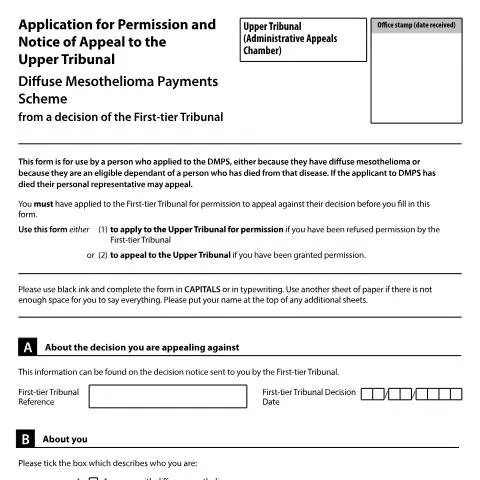
The UK legal framework provides a structured process for individuals affected by diffuse mesothelioma or their eligible dependants to challenge decisions made by the First-tier Tribunal concerning the Diffuse Mesothelioma Payments Scheme (DMPS). This guide offers an overview of the key steps, eligibility criteria, and procedural rules involved in appealing a decision through the HM Courts & Tribunals Service using the official form UT14.
Scope and Purpose of the Appeal
The appeal process is designed to ensure that decisions regarding claims under the DMPS are subject to judicial review, particularly when applicants believe that the First-tier Tribunal erred in law or fact. This process applies to individuals diagnosed with diffuse mesothelioma, their dependants, or personal representatives of deceased claimants. The scheme aims to provide financial support to those affected by asbestos-related disease, and the appeal mechanism ensures fairness and transparency in the decision-making process.
Who Can Use the Form UT14?
The form UT14 is specifically intended for use by:
- Persons with diffuse mesothelioma who have applied to the DMPS.
- Eligible dependants of individuals who have died from diffuse mesothelioma.
- Personal representatives, such as executors or administrators, acting on behalf of deceased claimants.
Applicants must have previously sought permission from the First-tier Tribunal before submitting this appeal to the Upper Tribunal. If permission was refused, they may request permission from the Upper Tribunal through this process.
Key Elements of the Appeal Process
1. Application for Permission
Before appealing the decision, applicants must obtain permission from the First-tier Tribunal. If permission is refused, the applicant can then apply to the Upper Tribunal using form UT14 for permission to proceed with the appeal.
2. Submitting the Appeal
The appeal involves completing the form in capital letters or typewritten, providing details about the original decision, the applicant, and any representatives acting on their behalf. Supporting documents and additional pages can be attached if necessary.
3. Grounds for Appeal
The applicant must specify the legal error they believe was made by the First-tier Tribunal. This might include misinterpretation of law, procedural errors, or other mistakes that could have affected the outcome of the case.
4. Oral Hearing Requests
Applicants can request an oral hearing of their application for permission to appeal. While most decisions are made based on written submissions, requesting an oral hearing can be justified if the applicant believes that hearing their case would be beneficial. The decision to grant such a hearing rests with the Upper Tribunal judge.
How to Submit the Appeal
The completed UT14 form can be submitted via the HM Courts & Tribunals E-Filing service, which is the preferred method for legal representatives and government bodies. For unrepresented individuals, the form can be emailed or posted to the designated address:
- In England: The Upper Tribunal Office (Administrative Appeals Chamber), 5th Floor Rolls Building, 7 Rolls Buildings, Fetter Lane, London, EC4A 1NL
- In Wales or for Welsh residents: The Civil Justice Centre, 2 Par, Cardiff (or the relevant address as specified)
Applicants should ensure that all sections are completed accurately and signed before submission. If an applicant has a solicitor or representative, they may sign on their behalf, provided they have the necessary authority.
Fill in your form directly online
No printing: type your details into the boxes of the official form, tick, then download the PDF ready to send.
- 1Type into the form boxes
- 2Tick in one click
- 3Save and download the PDF
Legal and Procedural Considerations
The appeal process is governed by the rules set out in the UK Tribunal Procedure Rules and the relevant legislation concerning asbestos-related disease claims. The process emphasizes timely submissions, with strict deadlines for applying for permission and lodging the appeal, typically within a specified period after the decision notice from the First-tier Tribunal.
Applicants are advised to keep copies of all correspondence and supporting documents. Legal advice or assistance from organisations such as Citizens Advice or welfare rights services can be beneficial in preparing and submitting the appeal.
Conclusion
The appeal process for decisions made under the Diffuse Mesothelioma Payments Scheme provides a vital safeguard for claimants and their families, ensuring that decisions are fair, lawful, and properly considered. By understanding the procedural requirements and using the official form UT14 correctly, applicants can effectively challenge decisions and seek justice within the UK legal system.