Navigating the VO 6053 Document: Essential Insights for Network Operators
Completing the VO 6053 request for rental information can feel daunting, particularly for those unfamiliar with the intricacies of the UK’s Valuation Office Agency (VOA) processes. Yet, understanding this document is crucial for network operators and property owners alike. Often, the implications of this form extend beyond mere compliance; they can significantly influence business rates and operational costs. Let's delve into the critical aspects of the VO 6053, from its initiation to the consequences of non-compliance.
Unpacking the Purpose: Why the VO 6053 Matters
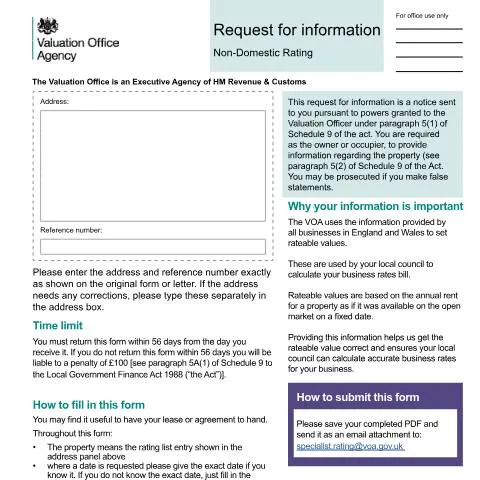
The VO 6053 form is an official request from the Valuation Office Agency, designed to gather pivotal information from those involved in telecom networks. Specifically, it seeks data on property usage that directly influences the calculation of rateable values. These values are foundational for local councils in determining business rates, which are levied on non-domestic properties.
Failing to provide accurate information could lead to penalties and skewed rateable values, which in turn affect the financial responsibilities of businesses. Thus, the importance of this form cannot be overstated; it is a key document in ensuring equitable taxation based on actual property use.
Understanding Rateable Values
- Definition: Rateable values are calculated based on the estimated annual rent a property could attract on the open market as of a specific date.
- Impact: These values help local councils determine how much each business will pay in business rates.
For network operators, accurate completion of the VO 6053 can ensure that their properties are not overvalued, potentially saving significant sums in business rates.
Who is Required to Submit the VO 6053?
Understanding who must complete this form is paramount. Primarily, the responsibility lies with the current occupier of the telecom network or, in cases where the network is unoccupied, the property owner. This distinction is critical, as it clarifies the obligations based on property occupancy status.
Specific Scenarios That May Affect Submission
- Current Occupier: If you are using the network, you must provide the necessary details.
- Property Owner: If the network is unoccupied, the owner is responsible for submitting the information.
- Multiple Tenants: If multiple entities use the network, ensure the correct party takes responsibility for the submission.
It’s worth noting that the request will specify a time frame; failure to submit the information can lead to a penalty, emphasizing the importance of timely compliance.
The Timeline: Key Dates and Deadlines
Timeliness is a critical component in the VO 6053 process. Upon receipt of the form, you are given a strict deadline of 56 days to provide the requested information. This timeframe is not merely a suggestion but a legal obligation. Ignoring this can lead to penalties.
Consequences of Missing Deadlines
A penalty of £100 may be imposed if the information is not returned within the stipulated period. Such penalties are set out in paragraph 5A of Schedule 9 to the Local Government Finance Act 1988.
Completing the VO 6053: Step-by-Step Guide
Filling out the VO 6053 may seem straightforward, but several key elements must be meticulously addressed to ensure accuracy and compliance.
Preparation Before Filling Out the Form
It is advisable to have your lease agreement or any relevant property documentation on hand. This will facilitate the completion of various sections of the document.
Sections of the Form to Focus On
- Network Occupier Information: Clearly indicate whether you're the current network occupier or the owner if unoccupied.
- Occupancy Dates: Provide the date you first occupied or activated the network.
- Type of Tenure: Select all applicable categories, which can include leasehold, freehold, or various agreements.
- Details of Installed Equipment: Document all cables, fibres, ducts, or sub-ducts installed for your use.
- Current Use of the Network: Specify whether you're a capacity provider, network operator, etc.
Each section is designed to gather specific information that impacts the valuation process. Thus, precision in your responses is crucial.
Common Pitfalls: Navigating the Challenges
Like any official document, the VO 6053 is susceptible to errors that can lead to unnecessary complications or penalties. It is essential to be aware of common issues that may arise during the completion process.
Identifying and Avoiding Errors
- Incorrect Information: Double-check the accuracy of your details, especially addresses and reference numbers.
- Omissions: Ensure that all applicable sections are completed. Leaving out critical information may delay the process or incur penalties.
- Failure to Submit in Time: Set reminders to ensure your submission is on time.
By being vigilant about these potential pitfalls, you can mitigate risks associated with the submission of the VO 6053.
After Submission: What Happens Next?
Once you submit the VO 6053, the Valuation Office Agency will review the information provided. This review is crucial in determining the rateable value of your network properties.
Potential Outcomes of the Review Process
- Accurate Rateable Value: If your information is accurate, the VO will assign a fair rateable value that reflects the open market conditions.
- Request for Additional Information: The VOA may contact you for further clarification or additional details if necessary.
- Disputes: If you disagree with the determined rateable value, there are procedures available to appeal the decision.
Understanding these potential outcomes helps you prepare for what to expect after submission and ensures that you are ready to act should further communication from the VOA be necessary.
Special Circumstances: Handling Unique Situations
Certain scenarios may complicate the completion of the VO 6053. Understanding how to navigate these unique situations can be beneficial.
Scenarios Requiring Special Attention
- Non-Residents: If you operate from outside the UK, additional layers of considerations may arise regarding property classification.
- Complex Network Structures: If your network is part of a larger infrastructure project or involves multiple stakeholders, ensure all parties coordinate on the information shared.
- Urgent Submissions: If you are facing time-sensitive circumstances, contact the VOA directly to seek guidance.
Addressing these complexities can greatly enhance your compliance with the VO 6053 requirements.
Conclusion: The Importance of Accuracy in Financial Obligations
The VO 6053 request for rental information is more than a mere bureaucratic requirement; it is an essential component of the UK's business rates system. By providing accurate and timely information, network operators not only comply with the law but also ensure fairness in the financial obligations imposed on them.
Staying informed and diligent throughout the process will pave the way for a smoother interaction with the Valuation Office Agency, ultimately leading to more accurate financial assessments and a better understanding of your business’s standing within the legal framework.