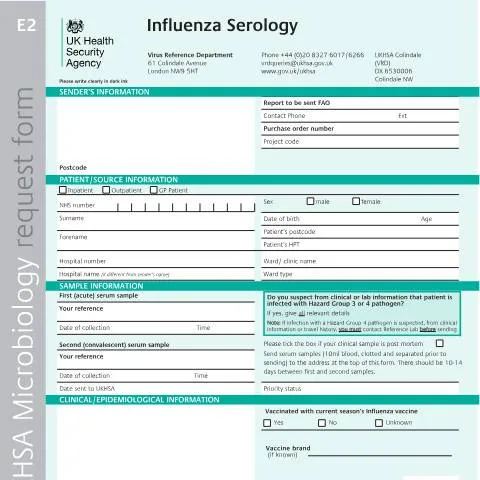
Navigating the Influenza Serology Request Form: A Vital Process for Accurate Diagnosis
Completing the Influenza Serology Request Form represents a critical step in diagnosing influenza infections, ensuring that patients receive appropriate medical attention. This document, used predominantly by healthcare professionals, facilitates the collection of essential clinical data and blood samples for laboratory analysis. Understanding the nuances of this form can significantly impact patient care and the efficacy of public health responses.
The Importance of Timing: Key Dates and Their Impact
When dealing with influenza, timing can be everything. The proper sequence of events plays a crucial role in ensuring that serological testing yields reliable results.
Initial Consultation and Sample Collection
Typically, the process begins with a patient exhibiting symptoms of influenza, such as fever, cough, or fatigue. During their consultation, the healthcare provider may decide to conduct serological testing. To initiate this, it's essential to collect a first (acute) serum sample at the onset of symptoms.
Follow-Up and Second Sample Collection
A second serum sample should be collected approximately 10 to 14 days after the first. This timeline is crucial, as it helps determine the patient's immune response to the virus. Failing to adhere to this timeline could compromise the reliability of the test results.
Submission Timeline
Once samples are collected, they must be sent promptly to the UK Health Security Agency (UKHSA) to ensure timely processing. Delays in sending samples can lead to inaccurate results, affecting treatment decisions and potential public health responses.
Understanding the Role of the Influenza Serology Request Form
Healthcare professionals must understand not only the logistics of submitting the form but also its significance within the wider healthcare framework.
Clinical and Epidemiological Relevance
- Provides critical data regarding the patient's clinical status.
- Helps in understanding the spread of influenza and the effectiveness of vaccination campaigns.
When submitted correctly, this form plays a vital role in epidemiological surveillance, assisting public health officials in monitoring and managing outbreaks.
Step-by-Step Guide to Completing the Form
Completing the Influenza Serology Request Form correctly is imperative. Each section requires careful attention to detail.
Patient Information
At the top of the form, you'll find sections dedicated to patient demographics:
- Surname and Forename: Ensure names are accurate to avoid misidentification.
- Date of Birth and Age: Important for age-related health assessments.
- Sex: Record as male or female according to the patient's identification.
- Postcode: Crucial for geographical tracking of influenza cases.
Providing accurate patient information is essential for effective follow-up and reporting.
Sample Information
The form requests detailed information about the serum samples:
- Date of Collection: This must align with the patient’s symptom onset to ensure appropriate analysis.
- Time of Collection: Important for laboratory processing schedules.
- Sample Type: Specify if the sample is post-mortem, which may indicate a different set of procedures.
Clinical/Epidemiological Information
Here, the healthcare provider must provide context for the samples being sent:
- Indicate suspicions of co-infection with Hazard Group pathogens.
- Document any exposure to antiviral drugs, which may affect the interpretation of results.
Other Relevant Comments
Healthcare professionals are encouraged to include any additional comments or information that could aid laboratory analysis or patient management.
What Happens After Submission? Processing and Expectations
Once the form and samples are submitted to the UKHSA, the next steps involve processing the samples and reporting results.
Processing Timeline
Typically, results are available within a few days, but the exact timeframe can vary depending on laboratory workload and sample quality. It is advisable for healthcare practitioners to communicate expected timelines to patients, fostering transparency and setting appropriate expectations.
Receiving the Results
Results will be sent to the designated contact point as provided on the form. It is critical that healthcare professionals review these results in the context of clinical signs and symptoms.
Addressing Challenges: What if There’s an Issue?
Sometimes, issues may arise during submission or processing of the form. Understanding how to address these challenges is vital for healthcare professionals.
Dealing with Rejections or Errors
If the form is incomplete or contains errors, the laboratory may reject the samples. Common pitfalls include:
- Missing patient information.
- Incorrect date or time of collection.
- Failure to provide necessary clinical context.
In such cases, it’s essential to promptly rectify issues, resubmit the form, and collect new samples if necessary.
Handling Missing Information
If any information is missing from the submission, the laboratory may contact the submitting healthcare professional for clarification. Quick response to such inquiries can expedite the testing process.
Special Considerations: Unique Situations Requiring Attention
Certain patient circumstances may warrant additional consideration during the completion of the Influenza Serology Request Form.
Dealing with Vulnerable Populations
For patients who are minors or those with cognitive impairments, extra caution is advised. In such cases:
- Ensure that legal guardians provide consent for testing.
- Document any relevant medical history that may impact results.
Patients with Complex Health Issues
Patients with comorbidities may require tailored approaches when completing the form. This includes detailed clinical information related to:
- Chronic respiratory conditions.
- Autoimmune diseases.
Detailing these conditions can aid laboratory interpretation significantly.
Channels for Submission: Choosing the Right Method
The form can be submitted through various channels, each with its own set of advantages and challenges.
Online Submission
For some healthcare institutions, there may be an option to submit the form electronically. This method can streamline the process and reduce the likelihood of human error.
Paper Submission
Individuals opting for paper forms must ensure that they are sent directly to:
Virus Reference Department 61 Colindale Avenue London NW9 5HT
It is recommended to use a traceable postal service to confirm delivery.
In-Person Submission
In certain cases, particularly in emergencies, healthcare providers may opt to deliver samples directly to the laboratory. This can allow for immediate discussions regarding clinical concerns.
Final Thoughts: The Critical Role of Thoroughness and Accuracy
The Influenza Serology Request Form is more than just a document; it is a crucial tool in the healthcare arsenal against influenza. Thoroughness and accuracy in its completion can lead to timely interventions, better patient outcomes, and enhanced public health management. By understanding the deeper implications of this form, healthcare professionals can significantly improve the care provided to their patients.
Understanding the Influenza Serology Request Form
The Influenza Serology Request Form is a vital document used in the United Kingdom for the diagnosis and management of influenza cases. This form is typically filled out by healthcare professionals to request specific serological tests that can identify antibodies against the influenza virus. Understanding the nuances of this form is essential for healthcare providers to ensure accurate testing and reporting.
Eligibility Criteria for Testing
Before submitting the Influenza Serology Request Form, healthcare providers must ensure that patients meet certain eligibility criteria. These include:
- Clinical Presentation: Patients exhibiting signs and symptoms consistent with influenza, such as fever, cough, sore throat, or body aches, are typically prioritized for testing.
- High-Risk Groups: Individuals in high-risk categories, including the elderly, pregnant women, and those with chronic health conditions (e.g., asthma, diabetes, heart disease), should be considered for serological testing to better inform treatment and preventive measures.
- Timing of Sample Collection: The timing of the blood sample is crucial. Ideally, samples should be collected within 2-3 weeks of the onset of symptoms, as this timeframe optimizes the likelihood of detecting antibodies.
Completing the Form
Completing the Influenza Serology Request Form accurately is paramount to avoid delays in diagnosis. Here are key sections of the form:
- Patient Information: Ensure to provide the full name, date of birth, and National Health Service (NHS) number. This helps in tracking patient histories efficiently.
- Clinical Details: Document the patient’s clinical history, including symptoms, duration, and any previous influenza vaccinations. This information assists laboratory staff in interpreting serological results accurately.
- Test Requested: Specify the serological tests required (e.g., IgM, IgG). Sometimes, additional tests may be warranted based on clinical judgment.
- Contact Information: Provide clear contact details for the healthcare professional submitting the form. This facilitates communication should the laboratory need to clarify details or discuss results.
Laboratory Processing of Influenza Serology Tests
Once the Influenza Serology Request Form is submitted, the sample is sent to a designated laboratory for processing. Laboratories in the UK follow strict protocols to handle and analyze serology tests to ensure the reliability of results.
Testing Methodologies
Different testing methodologies may be employed depending on the laboratory’s capabilities and the specifics of the request. Common methods include:
- Enzyme-Linked Immunosorbent Assay (ELISA): This widely used method detects antibodies in the blood. ELISA can differentiate between IgM and IgG, helping to ascertain whether the infection is recent or past.
- Neutralization Tests: These tests assess the ability of antibodies to neutralize the virus, providing insight into the immune response elicited by previous infections or vaccinations.
- Rapid Tests: Some laboratories may offer rapid testing options that provide quicker results, which can be critical in a clinical setting. However, these tests may vary in sensitivity and specificity.
Interpreting Results
Interpreting the results of influenza serology tests requires careful consideration. Healthcare providers should be aware of:
- Seroconversion: An increase in antibody levels from acute to convalescent phase samples indicates recent infection. This is particularly important for diagnosing cases that may present atypically.
- Cross-Reactivity: Some serological tests may yield false-positive results due to cross-reactivity with antibodies from other viral infections. Clinicians must consider the broader context of a patient's health status and potential exposures.
- Public Health Implications: Results from serological testing can inform public health responses, such as vaccination strategies and outbreak management.
Impact of Influenza Serology Testing on Public Health
The implications of influenza serology testing extend far beyond individual patient care. These tests play a crucial role in shaping public health strategies and responses, particularly during influenza season.
Surveillance and Epidemiology
Influenza serology tests contribute significantly to surveillance efforts by providing data on the prevalence and circulation of different strains of the virus. The UK Health Security Agency (UKHSA) utilizes this data to:
- Monitor Trends: Understanding which influenza strains are circulating among the population helps in predicting future outbreaks and planning vaccination campaigns accordingly.
- Evaluate Vaccine Effectiveness: By comparing serological data before and after vaccination campaigns, health authorities can assess the effectiveness of seasonal flu vaccines and make necessary adjustments.
- Implement Control Measures: Surveillance data can inform decisions regarding public health interventions, such as social distancing measures or school closures during peak periods of transmission.
Education and Awareness
Public health organizations often engage in educational campaigns to raise awareness about the importance of influenza vaccination and testing. By disseminating information regarding:
- Symptoms of Influenza: Educating the public on how to recognize influenza symptoms can lead to quicker testing and treatment.
- Vaccination Benefits: Promoting vaccination can significantly reduce the incidence of severe illness and hospitalizations during peak flu seasons.
- Understanding Testing: Providing clear information about the purpose of serology testing helps demystify the process and encourages individuals to seek testing when necessary.
Future Directions in Influenza Serology
The future of influenza serology testing holds promise with advancements in technology and methodology. Emerging trends include:
- Point-of-Care Testing: The development of rapid testing methods that can be performed at the point of care may increase accessibility and prompt treatment initiation.
- Personalized Medicine: Advances in genomics may allow for more personalized approaches to vaccination and treatment, tailoring strategies based on an individual's immune response.
- Integration with Other Data Sources: Combining serological data with genomic surveillance and clinical data can enhance overall understanding and response to influenza outbreaks.