Understanding the WEEE Regulations and Distributor Responsibilities in the UK
The Waste Electrical and Electronic Equipment (WEEE) Regulations are a key component of the UK's environmental legislation aimed at reducing the impact of electrical and electronic waste. Managed under the framework established by the Waste Electrical and Electronic Equipment Directive (WEEE Directive) of the European Union, these regulations have been incorporated into UK law through the Waste Electrical and Electronic Equipment Regulations 2013. They place specific responsibilities on distributors, including retailers, to promote the environmentally responsible disposal and recycling of electrical items.
Scope and Purpose of the WEEE Regulations
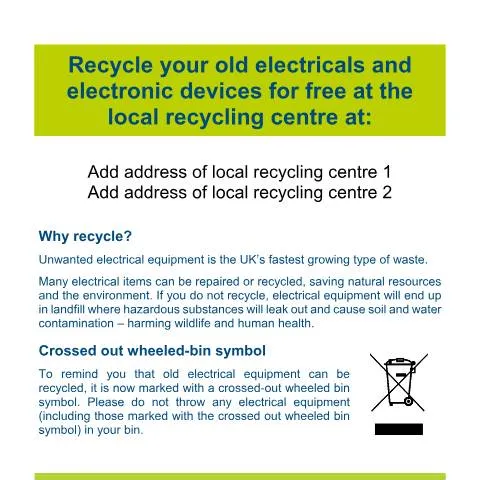
The primary objective of the WEEE Regulations is to ensure the proper collection, treatment, and recycling of electrical and electronic waste. As electrical items become obsolete or unwanted, they can pose environmental hazards if disposed of improperly. The regulations mandate that all electrical equipment marked with the crossed-out wheeled bin symbol must not be discarded with general household waste. Instead, consumers are encouraged to recycle these items at designated facilities.
In practical terms, the regulations require distributors—such as shops and online retailers—to facilitate the recycling of old electrical devices. This is achieved through the establishment of a nationwide network of collection points and recycling centres, supported financially by the distributors themselves. The overarching goal is to maximize the recovery of valuable materials and prevent hazardous substances from contaminating soil and water sources.
Who Is Responsible Under the Regulations?
The regulations explicitly target distributors of electrical and electronic equipment. This includes:
- Retailers selling new electrical devices to consumers
- Online sellers and e-commerce platforms
- Wholesalers involved in the supply chain
These entities are legally obliged to provide free take-back services for old electrical items when selling new products. This ensures consumers have accessible options to recycle their unwanted devices responsibly.
Distributor Templates and Responsibilities
As part of their compliance, distributors are encouraged to adopt standardized templates and procedures to communicate their recycling commitments clearly. These templates serve multiple purposes:
- Inform customers about the availability of free recycling services
- Provide details of local recycling centres or collection points
- Ensure consistent messaging aligned with legal requirements
While specific template formats are not prescribed by law, the Office for Product Safety and Standards recommends that distributors include key information such as contact details, locations of recycling facilities, and instructions on how to dispose of electrical waste appropriately.
Supporting the National Recycling Network
Distributors contribute financially to the national network of WEEE recycling centres established by local authorities. This support helps maintain accessible and environmentally sound recycling infrastructure across the UK. The network ensures that consumers can recycle their electrical waste free of charge at designated centres, thereby promoting sustainable practices and compliance with statutory obligations.
Legal Framework and References
The WEEE Regulations are underpinned by the Waste Electrical and Electronic Equipment Regulations 2013, which transpose the EU WEEE Directive into UK law. These regulations are enforced by the Office for Product Safety and Standards, a division of the Department for Business and Trade. The legislation emphasizes producer responsibility, environmental protection, and consumer awareness.
Conclusion
In summary, the WEEE regulations establish clear responsibilities for distributors of electrical equipment in the UK. By providing free recycling options and supporting the national network of recycling centres, distributors play a vital role in reducing electrical waste's environmental impact. Adopting standardized templates and transparent communication ensures compliance and encourages consumers to participate actively in responsible disposal practices.