Navigating the Student Finance Application Process for EU Students in 2023-2024
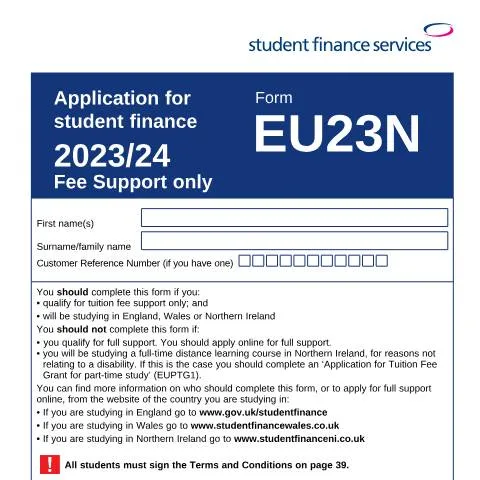
The transition into higher education can be overwhelming for many, especially for EU students aiming to secure financing for their studies in the UK. Understanding how to effectively fill out the Student Finance Application Form is crucial for those seeking tuition fee support only. This detailed guide explores the intricacies of the Student finance application forms and notes for new 2023 to 2024 full-time EU students, ensuring you are well-prepared to embark on your academic journey.
Understanding Your Eligibility for Tuition Fee Support
Before delving into the application process, it's essential to ascertain whether you qualify for tuition fee support. This form is specifically designed for students who meet the following criteria:
- You are an EU student enrolled in a full-time course in England, Wales, or Northern Ireland.
- You require tuition fee support only and are not eligible for full support.
- Your course does not involve full-time distance learning in Northern Ireland unless related to a disability.
To ensure you are on the right track, visit the appropriate resources based on your study location:
- For England: www.gov.uk/studentfinance
- For Wales: www.studentfinancewales.co.uk
- For Northern Ireland: www.studentfinanceni.co.uk
Chronological Walkthrough: Completing Your Application Form
Completing the application form requires careful attention to detail and adherence to specific guidelines. Here’s a step-by-step breakdown:
- Gather Required Information: You will need personal details such as your name, date of birth, nationality, and customer reference number (if applicable).
- Fill Out the Form: Ensure you complete the form using black ink. Sections that pertain to your situation must be filled accurately, mirroring the information on your birth certificate or passport.
- Submit Evidence: All applicants must prove their identity and nationality. Depending on individual circumstances, additional evidence may be required, which should be original documents or certified copies.
- Sign the Terms and Conditions: It is mandatory to read and agree to the terms outlined on pages 39 and 40 of the form, affirming your understanding of the responsibilities that accompany financial support.
- Check and Submit: Double-check all information and ensure all required sections are completed before submitting the application within 9 months from the start of your academic year.
Handling Complex Situations: What to Do If Challenges Arise
Students may encounter various complexities when applying for tuition fee support. Here are common scenarios and how to navigate them:
- If You Are a Minor: If you are under 18, a parent or guardian may need to assist with completing the application and signing the necessary agreements.
- If You Have Previous Loans: Indicate whether you have received previous loans from the Student Loans Company (SLC). If you are behind on repayments, it may affect your eligibility.
- In Case of Document Issues: If you are missing specific documents or pieces of evidence, promptly contact the SLC for guidance on alternative options or extensions.
How Your Application Fits into the Bigger Picture
The Student Finance Application Form is just one part of a larger framework supporting EU students. Here’s how it fits:
- Interconnected Financial Support: Upon approval of your tuition fee loan, universities may assess your eligibility for bursaries or scholarships, which could further reduce your financial burden.
- Communication with Institutions: The SLC shares necessary personal and financial information with your university to facilitate the disbursement of any applicable financial aid.
Understanding the Administration Process: What Happens After Submission?
Once you submit your application, it enters a structured administrative workflow. Here’s what to expect:
- Initial Review: The SLC will review your application for completeness and accuracy. Incomplete submissions will be returned for correction.
- Verification of Evidence: The SLC verifies the supporting documents provided. This may take a few weeks, depending on the volume of applications and complexity of your case.
- Notification of Decision: Once processed, you will receive a notification indicating whether your application has been approved or denied. This notification generally includes details regarding loan amounts and payment schedules.
What to Do If Your Application Is Refused or You Encounter Errors
Receiving a refusal or realizing there’s an error in your application can be disheartening. However, there are steps you can take:
- Understanding the Reason for Refusal: Your notification will typically include the rationale for the decision. Familiarize yourself with this information.
- Appeals Process: You have the right to appeal the decision. The appeal must be made in writing, clearly outlining the basis for your request.
- Seeking Help: If you're unsure about how to proceed, consider reaching out to your university's finance office or student advisors who may assist you with the appeals process.
Ensuring a Smooth Application Journey: Practical Tips and Resources
To navigate the application process seamlessly, keep the following tips in mind:
- Start Early: Begin your application well in advance of your course start date. The deadline is 9 months from the start of your academic year, but earlier submissions are encouraged.
- Maintain Copies: Always keep copies of the completed application and any submitted documents for your records.
- Utilize Available Resources: Refer to the Evidence Fact Sheet and Certifier Checklist available through your study country’s finance website for guidance on acceptable evidence.
By approaching the Student Finance Application Form with a thorough understanding and careful attention to detail, you can position yourself for a successful application and a fruitful educational experience in the UK.
Understanding the Student Finance Application Process
Navigating the student finance application process in the UK can initially seem daunting, especially for new full-time EU students. It’s essential to approach your application with a clear understanding of the necessary documents and eligibility criteria. To start, you will need to register and create an account with Student Finance England (SFE) or the relevant body for your region if you’re applying from Northern Ireland, Scotland, or Wales. This online account allows you to complete your application and check its progress.
When applying, be prepared to provide various personal details, including your National Insurance number, course information, and details regarding your previous education. EU students are generally required to provide evidence of their immigration status, such as proof of residency in the EU for at least three years before the start of the course. It’s vital to gather these documents in advance to prevent delays in processing your application.
Once your application is submitted, you may receive a request for additional information or documentation. This stage is crucial, as failing to respond promptly can result in your application being delayed or, in some cases, denied. Make sure to regularly check your online account for any notifications and respond as quickly as possible. Keep an eye on the specific deadlines for your course and ensure your application is submitted promptly. The earlier you apply, the better your chances of receiving adequate financial support.
Types of Financial Support Available for EU Students
Full-time EU students in the UK have access to various forms of financial support to help cover tuition fees and living costs. Understanding the types of financial aid available is key to planning your studies effectively. The primary types of support include Tuition Fee Loans, Maintenance Loans, and grants.
Fill in your form directly online
No printing: type your details into the boxes of the official form, tick, then download the PDF ready to send.
- 1Type into the form boxes
- 2Tick in one click
- 3Save and download the PDF
Tuition Fee Loans cover the cost of course fees for eligible students and are paid directly to the university or college. For the 2023 to 2024 academic year, the maximum tuition fee that can be charged is £9,250 per year for full-time undergraduate courses. It’s worth noting that EU students must be aware of any changes in fees as regulations may evolve post-Brexit. Maintenance Loans, on the other hand, provide financial assistance for living costs, such as rent, food, and travel expenses. The amount you can borrow depends on various factors, including household income and where you’ll be living during your studies.
Additionally, some institutions may offer specific scholarships or grants for EU students, which can significantly reduce the financial burden. Research your university’s website and contact their financial aid office for more information on available scholarships. Furthermore, it’s advisable to explore local initiatives or charities that may offer additional support tailored to EU citizens studying in the UK. Knowing all your options can help you make informed choices about your educational financing.
Navigating Repayment of Student Loans
Understanding the repayment terms of student loans is crucial for EU students entering the UK education system. It's important to note that you do not have to start repaying your loan until you earn above a certain income threshold. For the 2023–2024 tax year, this threshold is set at £27,295 per year. If your income falls below this amount, your repayments are paused, giving you peace of mind while you finish your studies or look for employment.
Once you begin repaying your Student Loan, it will be calculated as a percentage of your income above the threshold. For Plan 2 loans, which most full-time students will have, you will repay 9% of your income above the threshold. This system is designed to ensure that repayments are manageable and reflect your financial situation. Additionally, any unpaid loan balances are wiped after 30 years, meaning if you haven’t repaid the loan by then, it won’t be collected anymore.
International students, including those from the EU, may find it beneficial to keep abreast of their financial obligations by setting up a budget or using a loan repayment calculator found on the Student Finance website. This will help you plan and understand better how your loan repayments fit into your finances after graduation. Always remember to keep your contact details up to date with Student Finance, as they will communicate with you about your repayments and any changes to your loan.