Understanding the SEND15A Form: A Crucial Step for Parents
For many parents navigating the Special Educational Needs and Disability (SEND) Tribunal, the financial implications of attending hearings can be daunting. The SEND15A form serves as a vital tool for parents who are seeking reimbursement for expenses incurred while attending these hearings. Understanding how to fill out and submit this form is paramount to ensuring that families receive the financial support they are entitled to.
Navigating the SEND15A Form: The Structure and Sections
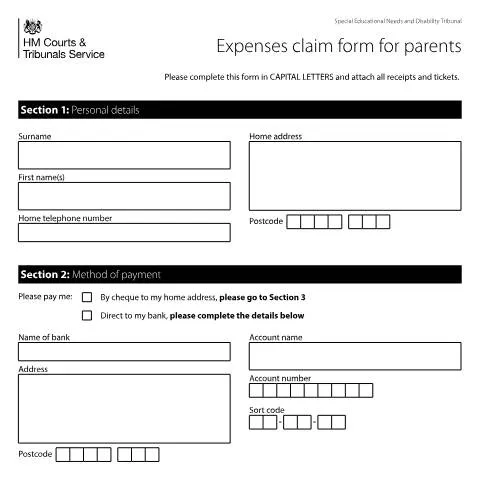
The SEND15A form is structured into several clear sections, each designed to gather specific information necessary for processing expense claims. Here’s a closer look at each section:
Section 1: Personal Details
- Surname: Enter your last name.
- First Name(s): Provide your first name.
- Home Telephone Number: Include your current home phone number.
- Home Address: Fill in your complete residence address, including postcode.
Accurate personal details are crucial as they directly link your claim to your identity.
Section 2: Method of Payment
This section allows you to specify how you want to receive your reimbursement. You have two options:
- By Cheque: If you prefer a cheque, simply check the appropriate box and proceed to Section 3.
- Direct Bank Transfer: If you choose bank transfer, you will need to complete additional bank details including the account name, number, and sort code.
It’s advisable to provide accurate bank details to avoid any delays in receiving your funds.
Section 3: Hearing Details
Here, you will need detailed information about the hearing:
- Date of Hearing: Provide the exact date when the hearing took place.
- Appeal/Claim Number: This is crucial as it helps identify your specific case.
- Child’s Full Name: Fill in your child’s surname and first name.
- Carer’s Full Name: If applicable, provide the name of the individual who accompanied you to the hearing.
Keep these details accurate as they must match the Tribunal's records.
Travel Expenses: Claiming What You’re Owed
Travel expenses can accumulate quickly, especially if the Tribunal is far from your home. Section 4 allows you to claim for these expenses:
How to Calculate Your Travel Expenses
- Date of Hearing: Reiterate the hearing date.
- Journey Details: Specify where your journey started and where you ended.
- Method of Transport: Select from bus, train, car, or other methods.
- Mileage Calculation: For travel by car, note the number of miles. Current mileage reimbursement is set at 23.8p per mile.
Ensure you calculate your expenses faithfully to avoid complications later in the reimbursement process.
Common Travel Scenarios
| Scenario | Details |
|---|---|
| Long-Distance Travel | Document all travel receipts, especially if requiring overnight accommodations. |
| Complex Journeys | Consider claiming for multiple modes of transportation, ensure all tickets are attached. |
| Local Travel | For short distances, a declaration of mileage can suffice. |
Make sure to include all relevant documentation, as missing receipts could delay or invalidate your claim.
The Significance of Accurate Declarations
In Section 5, you will need to provide a formal declaration of your claims. This is a critical component that cannot be overlooked:
- Guidance Acknowledgment: Confirm that your claim is in accordance with the guidance provided by the tribunal.
- Non-Duplication Clause: Ensure that you have not claimed these expenses from any other entity.
- Missing Documentation: If any receipts are lost, complete the SEND17 form and attach it to your SEND15A submission.
A clear declaration helps maintain the integrity of the claims process and can prevent accusations of fraud.
When and Where to Submit: Timing is Key
Understanding the timeline is essential to ensure your claim is submitted on time. The submission process is straightforward:
- Submission Deadline: Claims must be submitted promptly following the hearing; check with the tribunal for specific timing guidelines.
- Submission Methods: You have several options for submitting your completed SEND15A form.
Channels for Submission
- By Post: Mail your completed form along with all receipts to the address provided in the form.
- In Person: If convenient, you may submit the form directly at your local tribunal office.
- Online Submission: While specific online platforms may vary, check if there are electronic submission options available.
Each method has its own advantages; for instance, mailing might take longer, while in-person submission allows for immediate confirmation of receipt.
Clarifying the SEND15A vs. Other Expense Forms
The SEND15A form can sometimes be confused with other expense claim forms due to similar naming conventions. Distinguishing between these forms is important:
- SEND15: This is typically for various types of requests, rather than expenses.
- SEND17: Specifically designed for claims missing receipts, it should accompany the SEND15A if necessary.
Using the wrong form can lead to delays or outright denials of claims, so ensure you are submitting the correct documentation.
Real-World Implications: What’s at Stake for Claimants
Understanding the nuances of this form is not just an administrative task; it directly impacts your family’s financial well-being. Key considerations include:
- Financial Support: Successfully claiming expenses can provide necessary funds for navigating the complexities of SEND needs.
- Awareness of Rights: Being informed about your rights regarding expense claims empowers you to advocate for your family effectively.
- Consequences of Inaction: Failure to submit the SEND15A claims in a timely manner can result in lost opportunities for reimbursement.
Tailored Support for Unique Situations
Every family’s situation is unique, and some may face complexities that require additional support. For example:
- Families with Foreign Nationals: If you are a foreign national, ensure you are aware of any additional documentation required.
- Minors and Guardians: If the claim is submitted by a guardian, additional proof of guardianship may be necessary.
- Emergency Situations: In cases of urgent hearings, expedited claims processes may be available; inquire directly with the tribunal.
The Path Forward: Next Steps After Submission
Once you have submitted your SEND15A form, it’s crucial to understand what happens next:
- Confirmation of Receipt: If you submitted by post, allow a reasonable timeframe before inquiring about the status of your claim.
- Processing Time: Be prepared for a processing period; the tribunal’s efficiency can vary.
- Receiving Your Payment: If approved, funds will be issued based on your chosen method of payment.
Stay proactive in following up, especially if you experience delays beyond the communicated timeframe.
Conclusion: Empowering Families Through The SEND15A Process
In navigating the complexities of the SEND tribunal system, the SEND15A form represents more than just paperwork; it embodies the support that families need in challenging circumstances. With a clear understanding of the form's structure, submission timelines, and the implications of the claims process, parents can effectively advocate for their financial rights and ensure they receive the support necessary for their child’s educational journey.
Understanding the SEND15A Form: What Parents Need to Know
The SEND15A form is a crucial document for eligible parents and guardians seeking financial support due to special educational needs (SEN). This section will delve into the nuances of completing the SEND15A form, including eligibility criteria, types of expenses that can be claimed, and the importance of accurate documentation.
Eligibility for claiming expenses under the SEND15A form typically includes parents of children with disabilities or additional needs who have incurred costs related to education. Such costs may encompass transportation expenses, special equipment, or even additional tuition fees. It's essential for parents to carefully review the guidance notes accompanying the SEND15A form to identify qualifying expenses and ensure they meet the criteria set forth by the local education authority (LEA).
When completing the SEND15A form, precise documentation is vital. Parents should retain receipts, invoices, and any correspondence with the LEA regarding their child's educational needs. These documents not only substantiate the claim but can also expedite the processing time, reducing delays in receiving financial assistance. Furthermore, parents should be aware that erroneous or incomplete submissions can lead to delays or even rejection of their claims, making meticulous attention to detail a necessity.
Common Mistakes to Avoid When Submitting the SEND15A
Submitting a SEND15A claim can be a straightforward process if approached methodically, but there are common pitfalls that parents should be aware of to avoid unnecessary complications. Understanding these mistakes can save time and ensure a smoother experience when claiming expenses.
One common mistake is failing to provide all necessary supporting documentation. Each claim must be accompanied by appropriate proof of the expenses claimed. This includes but is not limited to receipts, invoices, and any relevant medical documentation supporting the child's needs. Missing documentation can result in delays or rejections, as the local authority may require further evidence before processing the claim.
Another frequent error involves inaccuracies in personal details or financial summaries. Parents should double-check that their National Insurance number, contact information, and the child's details are correctly entered on the form. Simple typographical errors can lead to significant issues in processing the claim.
Additionally, parents should be cautious about the deadlines associated with filing the SEND15A form. Claims must be submitted within specific timeframes set by the LEA, and failing to meet these deadlines can result in forfeiture of the claim. It is advisable to mark important dates and establish reminders to ensure timely submissions and avoid last-minute rushes that may lead to errors.
Appealing a Rejected SEND15A Claim: Steps to Take
In the unfortunate event of a rejected SEND15A claim, parents may find themselves navigating the appeals process. Understanding the steps involved in appealing a decision can empower parents to effectively advocate for their child's needs.
The first step is to carefully read the rejection letter from the LEA, which should outline the reasons for the refusal. Common reasons may include insufficient documentation, ineligibility of claimed expenses, or missed deadlines. Identifying the specific grounds for rejection will guide parents in addressing the issues in their appeal.
Once the reasons have been identified, parents should gather any additional evidence needed to support their case. This may involve obtaining updated letters from medical professionals or educators, or collecting additional receipts that substantiate the expenses in question. Organizing this information clearly and concisely will strengthen the appeal.
Next, parents should draft a formal appeal letter addressed to the appropriate department within the LEA. This letter should reference the original SEND15A submission, the reasons for rejection, and a clear argument as to why the expenses should be reconsidered. It's beneficial to be polite yet assertive, and to express the importance of the expenses for the child's education and well-being.
After submitting the appeal, parents should keep a copy of all correspondence and documents sent to the LEA for their records. It is also wise to follow up with the LEA after a reasonable period to check on the status of the appeal, as persistence can sometimes yield quicker results. If the appeal is ultimately unsuccessful, parents have the option to escalate the matter by seeking advice from advocacy groups or legal aid services that specialize in educational needs.