Understanding the Importance of Porcine Germinal Products Health Certificates
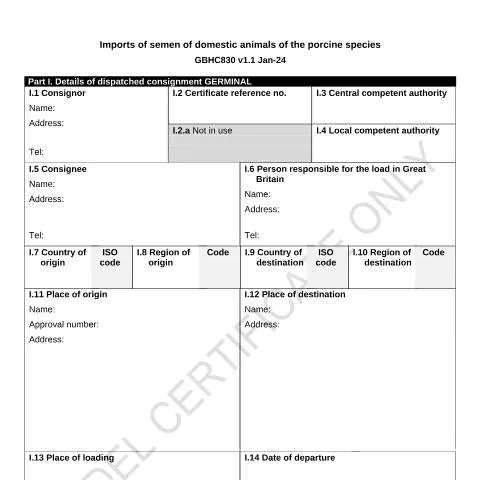
When dealing with the importation of porcine germinal products, a critical document is the health certificate. This certificate serves as a confirmation that the products meet the health regulations mandated by the UK authorities. The significance of this document transcends mere compliance; it safeguards the biosecurity of the UK’s livestock by ensuring that only disease-free products enter the country. In light of the complexities surrounding animal health and international trade, grasping the ins and outs of these certificates is essential for importers, exporters, and stakeholders in the agricultural sector.The Legal Framework Underpinning Health Certificates
The issuance and validity of health certificates for porcine germinal products are governed by stringent regulations to ensure animal health and welfare. Under the auspices of the Department for Environment, Food & Rural Affairs (DEFRA) and enforced by the Animal and Plant Health Agency (APHA), these certificates are structured to comply with both UK law and international guidelines. The legal basis includes:- Animal Health Act 1981: This act provides the framework for the control of animal diseases.
- EU Exit Regulations: Post-Brexit, these regulations have adapted existing EU rules to fit UK laws while outlining new specific procedures for imports.
- Welfare of Animals at the Time of Killing (WATOK): This legislation ensures humane treatment during the collection and transport of germinal products.
What the Certificate Specifically Attests
The health certificate for porcine germinal products, known by its reference number GBHC830, certifies that the semen meets specific health and safety standards. Among the core attestations are:- Freedom from major diseases: The certificate confirms that the exporting country has been free from foot-and-mouth disease, classical swine fever, and African swine fever for a specified period.
- Approval of the collection centre: The semen must originate from a facility approved by veterinary authorities, ensuring that it meets the UK's stringent health criteria.
- Compliance with quarantine measures: The certificate attests that all animals were subject to a minimum quarantine period and tested negative for relevant diseases before collection.
The Process of Obtaining a Health Certificate
Acquiring a health certificate involves several steps, ensuring rigorous compliance with health regulations. The process can vary depending on the exporting country, but it generally follows a structured path.Step-by-Step Guide to Securing the Certificate
- Initial Assessment: The exporting establishment must be registered and approved by the appropriate veterinary authority in the exporting country.
- Quarantine and Testing: Animals must undergo a quarantine period, complete necessary health checks, and obtain negative results for diseases outlined in the certificate.
- Application Submission: Once the above conditions are met, an application for the health certificate is submitted to the relevant veterinary authority.
- Issuance of Certificate: Upon approval of the application, the health certificate is issued and must accompany the shipment.
Practical Applications and Stakeholders Requiring the Certificate
The health certificate for porcine germinal products is indispensable for various stakeholders within the agricultural trade industry. Its necessity extends across multiple levels of the supply chain.- Importers: Importers of porcine germinal products must present health certificates upon entry into the UK to ensure compliance with local regulations.
- Veterinary Authorities: Agencies such as the APHA will require the certificate to assess health risks associated with imported goods.
- Farmers and Animal Breeders: Producers relying on imported germinal products for breeding programs must verify the health status of these products to protect their livestock from potential diseases.
Handling Discrepancies: What to Do in Case of Errors or Disputes
Despite the best efforts to ensure accuracy, discrepancies related to health certificates can arise. Addressing these errors is crucial to maintaining the integrity of the import/export process.Steps to Take When Issues Arise
If a health certificate is lost, contains erroneous information, or is disputed, the following actions are recommended:- Contact the Issuing Authority: Reach out to the veterinary authority that issued the certificate. They can guide you through the process of rectifying any mistakes or issuing a replacement.
- Document Your Case: Collect all relevant documentation, including correspondence and supporting documents, to assist in resolving the issue.
- Follow Up Persistently: Maintain communication with the authorities until the situation is adequately addressed.
The Duration of Validity and Renewal of the Health Certificate
Understanding the longevity of the health certificate is essential for planning purposes. As per current regulations, the health certificate for porcine germinal products is typically valid for a specified time frame, contingent on the nature of the shipment.Validity Period and Renewal Guidelines
The certificate generally retains its validity for:- Duration of Transport: The certificate remains valid until the product reaches its destination, provided it is transported under appropriate conditions.
- Testing Requirements: If the shipment takes more than a certain duration to reach the destination, additional testing may be required to renew the health certification.
Who Can Apply for the Health Certificate?
The eligibility to apply for a health certificate is decisive and varies based on several factors.Conditions for Application
To apply for the health certificate, the following conditions typically apply:- Approved Establishments: Only establishments that are officially approved and registered with the veterinary authority can initiate the application.
- Compliance with Health Standards: The applicant must demonstrate compliance with specific health standards as set out by animal health legislation.
Conclusion: The Role of Health Certificates in Safeguarding Animal Health
The Porcine Germinal Products Health Certificate represents more than just a piece of paperwork; it embodies a robust system designed to protect the UK’s agricultural integrity. By understanding the importance, processes, and legal frameworks surrounding these certificates, stakeholders can navigate the complexities of international trade with confidence. Ensuring that all porcine germinal products are accompanied by the appropriate health certifications not only meets legal requirements but also contributes to the broader goal of animal health security. With diligent adherence to these guidelines, the agricultural community can effectively mitigate risks and promote a thriving livestock industry.Understanding the Regulatory Framework for Porcine Germinal Products
In the UK, the import and export of porcine germinal products are governed by specific regulations to ensure biosecurity and animal health standards are met. The Animal and Plant Health Agency (APHA) oversees the compliance with these regulations, which are rooted in both domestic laws and EU directives. The legal framework includes various acts and regulations, such as the Animal Health Act 1981 and the EU legislation on animal welfare and trade.
When dealing with porcine germinal products, it's essential to be familiar with the specific health standards that apply to breeding and genetic material. This includes the need for health certificates that confirm the status of the animals from which the products originate. The health certificates must be filled out accurately, reflecting the health status, genetic lineage, and any relevant vaccination history of the animals. This information is crucial as it helps prevent the spread of diseases and maintains the integrity of the UK’s porcine population.
Before any movement of germinal products occurs, businesses must ensure that they have obtained the necessary approvals and certificates from the APHA. This involves a thorough understanding of the health requirements for both the exporting and importing countries, as well as the protocols for transporting such products. Exporters are responsible for ensuring that all documentation is completed accurately, as errors can lead to delays or rejections at customs.
Key Health Certification Requirements for Porcine Germinal Products
Health certificates for porcine germinal products must include specific information to be deemed valid. This includes the country of origin, details of the supplier, and a description of the germinal product itself (e.g., semen, embryos). Additionally, the certificate must detail the health status of the donor animals, including results of any tests conducted for diseases such as porcine reproductive and respiratory syndrome (PRRS) or swine influenza.
It’s also important to note that the format and content of the health certificates may vary depending on the destination country. For example, if exporting to an EU member state, different requirements may apply compared to non-EU countries. Therefore, it is crucial to check the specific health certification requirements of the importing country before initiating the export process.
Furthermore, the APHA provides model health certificates that can serve as templates for businesses. These model certificates can be adapted to meet specific export needs and should be completed with care. Inaccuracies or omissions in the certificates can lead to significant issues during the import/export process, including fines or the return of products to the country of origin.
Best Practices for Completing Health Certificates
Completing health certificates accurately is vital for ensuring compliance and avoiding delays in the movement of porcine germinal products. Here are several best practices that producers and exporters should follow:
- Cross-Verification: Always cross-check the information provided in the health certificate with the records of the donor animals. This includes health status, identification numbers, and any relevant test results.
- Use Official Templates: Utilize official model health certificates provided by the APHA whenever possible. These templates are designed to meet regulatory standards and can reduce the likelihood of errors.
- Stay Updated on Regulations: Regulations regarding animal health and trade can change. Regularly check the APHA website and other relevant government sources to stay informed about any updates or changes in requirements.
- Training and Education: Ensure that all staff involved in the completion of health certificates are adequately trained and aware of the importance of accurate documentation. Regular training sessions can help reinforce best practices.
- Consult with Veterinary Experts: When in doubt, consult with a veterinarian or animal health expert to ensure that all health-related information meets the necessary criteria.
By adhering to these best practices, businesses can help ensure the smooth movement of porcine germinal products while maintaining compliance with health regulations and standards.