Engaging with the EU Youth Wiki Tool: Understanding the Expression of Interest Form
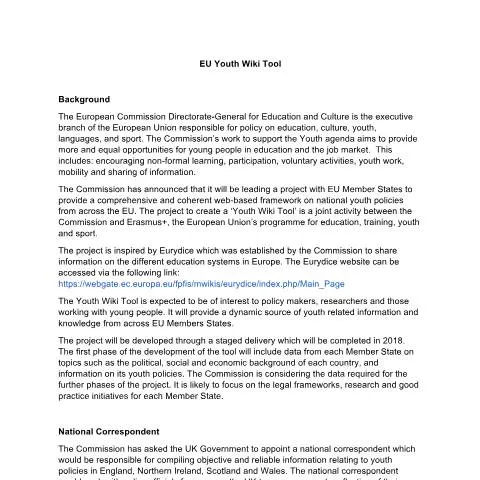
The EU Youth Wiki Tool represents a significant initiative aimed at harnessing the collective knowledge and resources across EU member states to advance youth policies. For organizations seeking to participate in this project, the Expression of Interest Form plays a critical role. It acts as the gateway for potential national correspondents who wish to contribute to this collaborative effort.
Why the EU Youth Wiki Tool Matters
The Youth Wiki Tool is envisioned as a comprehensive online database to facilitate the sharing of youth-related information across EU member states. This ambitious project is backed by the European Commission Directorate-General for Education and Culture, with the intent of enhancing youth participation in education and job markets. By collating data on national youth policies, the tool aims to illuminate best practices and encourage informed decision-making at various levels.
The Background of the Project
The impetus behind the EU Youth Wiki Tool is to provide equitable opportunities for young people, encouraging participation in non-formal learning and voluntary activities. The initiative stems from the European Commission's commitment to improving national youth policies throughout the EU. The tool is expected to contain extensive information regarding the socio-economic backdrop of each member state and their respective youth policies, as well as legislative frameworks and research initiatives.
The Stages of the Application Process
The journey towards becoming a national correspondent involves a structured process divided into three key stages. Understanding these stages is crucial for organizations aiming to navigate this application smoothly.
- Submission of the Expression of Interest Form: Organizations must demonstrate a deep understanding of UK youth policies and the ability to analyze complex information. The completed form must be sent to [email protected] by 5 PM on 22 September 2015.
- Telephone Interview: Successful organizations from the initial sift will be contacted for a brief telephone interview with UK policy officials.
- Application for Funding: Once appointed, the selected organization will apply directly to the European Commission to access the grant funding allocated for the project’s initial phase.
Thorough Preparation is Key
Prior to completing the Expression of Interest Form, organizations should gather necessary documentation and prepare to present their credentials compellingly. This involves:
- Evidence of prior experience in youth policy analysis and research.
- Clear articulation of how the organization plans to contribute to the Youth Wiki Tool.
- Demonstration of an understanding of the complexities surrounding youth issues in the UK.
Decoding the Expression of Interest Form
Completing the Expression of Interest Form requires meticulous attention to detail. Each section of the form serves a unique purpose and must be filled out accurately to avoid pitfalls that could jeopardize an organization's application.
Remember, the form must reflect both the organizational capabilities and a genuine commitment to advancing youth policies.
Key Sections of the Form
| Section | Description | Common Pitfalls |
|---|---|---|
| Organizational Overview | Provide details about the organization's mission and history. | Vague descriptions or failure to highlight relevant achievements. |
| Experience in Youth Policy | Detail previous involvement in youth-related projects. | Not linking past experience to the current call for proposals. |
| Understanding of UK Youth Policies | Demonstrate knowledge of current policies affecting young people. | Overlooking recent changes or trends in youth policy. |
| Proposed Contribution | Outline how the organization will contribute to the Youth Wiki Tool. | Lack of clarity on proposed methods or outcomes. |
Understanding the Implications of Submission
Submitting the Expression of Interest Form is not just a procedural step; it carries with it a set of responsibilities and expectations. Organizations must be aware that a successful application leads to a commitment to deliver comprehensive and reliable information about youth policies in the UK. Failure to comply with these responsibilities could not only impact the specific project but could also affect future funding opportunities from the European Commission.
Consequences of Non-Submission
Choosing not to submit the Expression of Interest Form or submitting it late can have serious repercussions. Organizations that miss the deadline will not have the opportunity to be considered for the role of national correspondent, thus losing their chance to influence youth policy at both national and EU levels. Additionally, this could hinder their engagement in future EU projects and diminish their credibility as leaders in youth policy analysis.
Post-Submission: What Comes Next?
Once the Expression of Interest Form is submitted, the waiting game begins. Organizations will be evaluated based on the information provided, and those selected will be contacted for the telephone interview stage. It is essential for applicants to be prepared to discuss their submissions in detail. Here’s what follows:
- Awaiting the assessment outcome from the Cabinet Office.
- Preparation for the telephone interview, ensuring clarity and confidence in discussing the organization’s relevant experience.
- Upon selection, completing the grant application to the European Commission by 13 October 2015.
Funding Specifics
The European Commission has pledged grant funding of up to €45,000 for the project’s first phase, which must be executed with precision and diligence. Organizations must ensure that all financial reports and expenditures align with EU regulations and reporting requirements, thus maintaining transparency and accountability throughout the project lifecycle.
Final Thoughts on the Expression of Interest Form
Engaging with the EU Youth Wiki Tool through the Expression of Interest Form is a significant opportunity for organizations involved in youth policy. By following the required steps, preparing thoroughly, and understanding the nuances of the application process, organizations can play a vital role in shaping the future of youth policies across Europe. As the deadline approaches, prioritizing this application process will be essential for those who wish to contribute meaningfully to this important initiative.
Navigating the Expression of Interest Process
The expression of interest (EOI) form for the EU Youth Wiki Tool is a crucial step for any organisation aiming to contribute to this rich repository of youth-related information. It is essential to meticulously follow the guidelines set out by the relevant authorities, ensuring that your submission aligns with the EU’s objectives in youth policy and engagement.
Firstly, before initiating the completion of the EOI form, organisations must ascertain their eligibility. The European Commission prioritises partnerships that demonstrate a clear commitment to enhancing youth policy, mobility programmes, and the overall dissemination of information that can benefit young people across the EU. Thus, having a registered organisation with a valid European Commission Participant Identification Code (PIC) is a prerequisite. This unique identifier differentiates your organisation from others and is paramount in the application process.
Once you’ve ensured eligibility, it is advisable to gather all necessary documentation that showcases your organisation's experience and capacity in youth work. This may include previous project reports, testimonials from beneficiaries, and relevant case studies. Having this information at your fingertips not only demonstrates credibility but also enables you to provide robust answers in the form itself.
When filling out the EOI form, pay careful attention to the sections that require detailed descriptions of your organisation’s mission and objectives. This is your opportunity to showcase how your goals align with the broader aims of the EU Youth Wiki. Highlight specific initiatives you have undertaken in the past, including statistics or impact assessments if available.
Don’t overlook the importance of the partnerships you may propose in your application. The EU highly values collaborative efforts, so if you have existing partnerships with other EU organisations, detail these relationships, outlining how they will enhance your project’s effectiveness. Additionally, specifying how you plan to involve young people in the project’s development and implementation stages can significantly strengthen your application.
Lastly, it’s advisable to ensure that you allow sufficient time for review before submission. Engaging with colleagues or peers for feedback on your completed form can unveil areas for improvement that you may have initially overlooked. The submission deadline will be clearly indicated in the application portal, and keeping a calendar reminder will help ensure that you don’t miss this critical date.
Impact Measurement and Evaluation Strategies
Understanding the importance of impact measurement in youth projects cannot be overstated, particularly when applying through the EU Youth Wiki Tool. The EU places significant emphasis on evaluating the impact of funded projects to ensure that they produce tangible benefits for young people and society at large.
Your EOI form should not only focus on project ideas but also on how you intend to measure success. This involves establishing clear, measurable objectives at the outset. For instance, if your project aims to enhance digital literacy among youths, quantify what success looks like. Will it be assessed through the number of participants who complete a particular training module? Or perhaps through the percentage increase in digital skills assessments pre- and post-training?
It is also crucial to develop a robust evaluation strategy that outlines the methods you will use to collect data. Common methodologies include surveys, focus groups, and interviews with participants. Additionally, consider using participatory evaluation techniques, where young people themselves assess the impact of the project. This not only empowers them but can also provide more genuine insights into the effectiveness of your initiatives.
Moreover, documenting case studies throughout the project lifecycle can serve as compelling evidence of the outcomes achieved. These narratives can be particularly powerful in demonstrating the qualitative aspects of your project’s impact, showcasing real-life stories of change and growth among participants.
Finally, include plans for disseminating your findings, as sharing successful practices with a wider audience can foster knowledge transfer and inspire other organisations. This could involve publishing reports, presenting at conferences, or using social media to broadcast achievements. Highlighting your commitment to transparency and knowledge-sharing can strengthen your application and underline your organisation’s proactive approach to youth engagement.
Future Trends in Youth Engagement and Policy Development
As we look to the future, it is crucial for organisations participating in the EU Youth Wiki Tool to stay abreast of emerging trends in youth engagement and policy development. The dynamic landscape of youth work is continuously evolving, influenced by technological advancements, societal shifts, and changing priorities within the EU framework.
One significant trend is the growing emphasis on digital and remote engagement strategies. With the increasing prevalence of online communication, youth organisations are exploring innovative ways to engage with young people virtually. This shift requires adapting outreach methods and project designs to include digital platforms, ensuring that projects remain accessible and relevant to a tech-savvy generation.
Another important trend is the recognition of mental health and well-being as a pivotal aspect of youth support. As awareness around mental health issues grows, organisations must integrate mental health considerations into their youth projects. This might involve training staff in mental health first aid, incorporating sessions on resilience building into youth programmes, and fostering an inclusive environment where young people feel safe to express their concerns.
Climate action and sustainability are also becoming central themes in youth policy discussions. Young people are increasingly vocal about their concerns regarding climate change and environmental degradation. Therefore, projects that involve environmental education, advocacy for sustainable practices, or partnerships with eco-friendly organisations can resonate well and align with the current priorities of EU policies.
Finally, fostering inclusivity and diversity within youth initiatives will continue to be a key focus area. Ensuring that programmes cater to underrepresented groups, including minorities and those with disabilities, will not only enhance the reach of your initiatives but will also contribute to a more equitable society. This can be achieved by actively seeking input from diverse youth voices during project development and implementation.
By aligning your projects with these future trends, organisations can enhance their relevance and effectiveness, making a compelling case for their expression of interest in the EU Youth Wiki Tool.