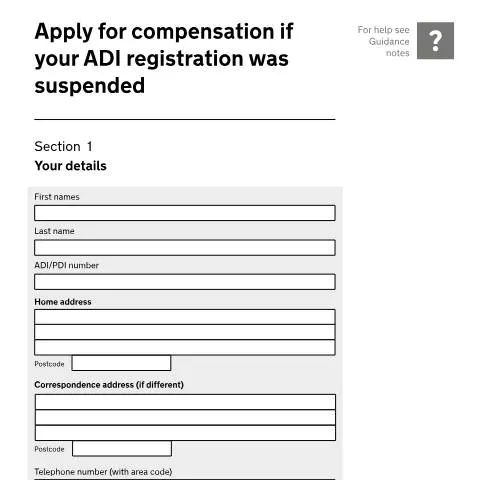
The Importance of Filing for Compensation Following ADI Registration Suspension
For Approved Driving Instructors (ADIs), the ability to teach and earn a living is fundamentally tied to their registration status with the Driver and Vehicle Standards Agency (DVSA). When an ADI's registration is suspended, it not only impacts their teaching capabilities but also their income. Understanding the compensation process is crucial for affected individuals seeking to reclaim their lost earnings. This document details the necessary steps to apply for compensation when your ADI registration has been suspended, ensuring that you are equipped with the knowledge required to navigate this process effectively.
Who is Eligible to Apply for Compensation?
The eligibility to submit a compensation application hinges on specific circumstances surrounding the suspension of an ADI registration. Generally, individuals who hold a valid ADI number at the time of suspension are entitled to apply. However, there are certain nuances to consider:
- Types of Instructors: Both approved driving instructors (ADIs) and potential driving instructors (PDIs) may be affected. However, only those who held a valid ADI registration during the suspension are eligible for compensation.
- Duration of Suspension: Compensation claims typically apply only to instructors who can demonstrate a significant loss of income during the suspension period. If the suspension was brief and did not interfere with regular teaching schedules, compensation may not be warranted.
- Justifiable Reasons for Suspension: If the suspension was due to an inquiry or procedural error by the DVSA, this strengthens the case for compensation. Conversely, if an ADI was suspended due to severe misconduct, eligibility may be affected.
Navigating the Regulatory Landscape
The legal framework governing the application for compensation is rooted in various statutory provisions aimed at ensuring fair treatment for driving instructors. Understanding this context is essential for a successful claim:
- Data Protection Compliance: Under the Data Protection Act 2018, the DVSA must handle all personal information with care. This regulation safeguards applicants from unauthorized use of their data.
- Time Limits for Claims: Typically, applicants have up to six years from the suspension date to file their claims. Missing this window may result in an automatic disqualification from receiving compensation.
- DVSA Guidelines: The DVSA provides comprehensive guidance notes that delineate the necessary steps and documentation required for compensation claims. Familiarizing yourself with these guidelines is vital to avoid delays.
Essential Documents for Your Claim
Before completing your compensation application, gathering relevant documentation is paramount. The DVSA requires specific information to process your claim. The following documents are typically needed:
| Document Type | Description |
|---|---|
| Proof of ADI Registration | Include your ADI number and documentation verifying your registration status at the time of suspension. |
| Income Evidence | Bank statements or payslips that reflect your income prior to and during the suspension period. This helps substantiate your income loss claim. |
| Tax Returns | Your last Self Assessment tax return can provide a solid overview of your financial situation. |
| Correspondence with DVSA | Retain any letters or emails from the DVSA regarding your suspension to clarify the basis for your claim. |
| Additional Expenses | Document any non-income losses, such as costs incurred due to the suspension (e.g., cancelled lessons). |
Failure to submit the required documentation can significantly delay the processing of your claim or result in its rejection. Therefore, it is prudent to double-check that all necessary papers are included before submission.
Understanding the Compensation Calculation
When applying for compensation, accurately calculating your lost income and other associated losses is crucial. The application form requires you to detail how you arrived at the figures you are claiming. Here’s a structured approach to help you:
- Document Your Income: Review your earnings over the last few months leading up to the suspension. This data will form the baseline for your claims.
- Assess Impact: Identify how many teaching hours were lost due to the suspension, and multiply this by your hourly rate. Additionally, consider the impact on long-term contracts or agreements that may have been affected.
- Include Non-Income Losses: Beyond lost income, your claim may encompass non-income losses such as expenses incurred for lesson cancellations or missed opportunities, which should also be itemized clearly.
Clearly detailing all calculations and providing justification for the figures claimed will enhance your application’s credibility.
Steps to Submit Your Application
Once you have meticulously filled out the application form and compiled all necessary documentation, follow these steps to submit your application:
- Review Your Application: Before submission, ensure all sections of the form are completed accurately. It’s advisable to have someone else review your application for oversight.
- Signature Requirement: Don’t forget to sign and date the application. This is not just a formality; it affirms the truthfulness of the information provided.
- Mailing Your Application: Send your completed application to the following address:
- The Registrar of Approved Driving Instructors
- DVSA
- 1 Unity Square
- Nottingham
- NG2 1AY
- Keep Copies: Maintain copies of your application and all accompanying documents for your records. This can be invaluable for follow-up or in case of inquiries.
What Happens After You Submit Your Application?
Upon submission, the DVSA will review your application. The timeframe for processing can vary depending on several factors, including the volume of claims they receive and the complexity of your case. Here’s what to expect:
- Confirmation of Receipt: You should receive an acknowledgment from the DVSA confirming receipt of your application. This typically includes a reference number you can use for follow-up inquiries.
- Potential Follow-Up: If the DVSA requires further information or clarification regarding your application, they will reach out. Prompt responses to these inquiries can speed up the process.
- Decision Notification: Once a decision is made, you will be notified via your preferred communication method. If your claim is approved, they will provide details on the compensation amount and how it will be disbursed.
- Right to Appeal: If your claim is denied, you have the right to appeal the decision. This process involves additional steps, which will be outlined in the notification you receive.
Common Challenges and How to Overcome Them
Throughout the application process, applicants may encounter various challenges. Being aware of these potential pitfalls can help mitigate issues:
- Incomplete Documentation: One of the most common reasons for claim delays or denials is missing documentation. Ensure you have all relevant papers before submission.
- Insufficient Detail in Claims: Applicants sometimes fail to provide enough detail in the calculation of losses. Providing comprehensive explanations will strengthen your application.
- Misunderstanding Eligibility: Not every suspension qualifies for compensation. Familiarize yourself with the DVSA regulations to ensure your circumstances warrant a claim.
Staying informed and prepared can significantly enhance the likelihood of a successful claim, enabling you to regain lost income due to registration suspension.
Understanding the Grounds for ADI Registration Suspension
Before applying for compensation following the suspension of your Approved Driving Instructor (ADI) registration, it is crucial to understand the specific grounds that may lead to such a suspension. The DVSA (Driver and Vehicle Standards Agency) can suspend an ADI's registration under various circumstances, including but not limited to:
- Criminal Convictions: If an ADI has been convicted of a serious criminal offence, this could lead to immediate suspension. It's essential to note that not all convictions result in suspension; rather, it often depends on the nature and severity of the offence.
- Failure to Meet Professional Standards: The DVSA expects ADIs to adhere to high professional standards. If an instructor fails to meet these standards, whether due to poor instructional quality or complaints from students, the DVSA may take action.
- Non-Compliance with Regulations: ADIs must comply with various regulations regarding driving instruction. If there is evidence of non-compliance, the DVSA may suspend the registration as a regulatory measure.
- Health Issues: In cases where an ADI's health may impair their ability to instruct safely, the DVSA may suspend their registration pending medical assessments.
Understanding the grounds for suspension helps applicants tailor their compensation claims effectively, as they will need to provide context and evidence regarding the circumstances surrounding their suspension.
Navigating the Compensation Process: Step-by-Step
The process for applying for compensation after an ADI registration suspension can seem daunting. However, by breaking it down into manageable steps, you can ensure you don't miss any critical elements:
- Gather Your Documentation: Start by collecting all relevant documentation related to your suspension. This can include your suspension notice, any correspondence with the DVSA, and records of your driving instruction work prior to the suspension.
- Understand Your Rights: Familiarize yourself with your rights as an ADI. Under the UK GDPR and the Data Protection Act 2018, you have the right to access information the DVSA holds about you. Make a formal request for this information if needed.
- Draft Your Compensation Application: When drafting your application, clearly outline the reasons you believe the suspension was unjustified. Include any supporting evidence, such as testimonials from students or records of your professional conduct. The more compelling your application, the better your chances of success.
- Submit Your Application: Once your application is complete, submit it to the appropriate department within the DVSA. Ensure you keep a copy for your records.
- Follow-Up: After submission, do not hesitate to follow up with the DVSA if you do not receive a response within a reasonable timeframe. Keeping the lines of communication open can be crucial in expediting the process.
By carefully navigating each step, you can enhance your chances of receiving the compensation you seek.
Potential Outcomes and What to Expect
After submitting your application for compensation due to an ADI registration suspension, it’s essential to understand the various outcomes you might encounter. The DVSA will assess your application based on the provided evidence and the circumstances surrounding your suspension. Here are the potential outcomes:
- Approval of Compensation: If the DVSA determines that your suspension was unjustified, you may receive compensation, which could cover lost income during the suspension period. It’s important to note that the amount may vary based on individual circumstances and the evidence provided.
- Partial Approval: In some cases, the DVSA may decide that while the suspension was partly justified, there were aspects that warrant compensation. This can result in a partial compensation award, recognizing the periods when you were unduly impacted by the suspension.
- Rejection of Compensation: If the DVSA determines that the suspension was justified based on the evidence, your application may be rejected. In such cases, you will receive a detailed explanation of the reasoning behind the decision, which can be critical for understanding any possible avenues for appeal.
Regardless of the outcome, it is vital to keep a clear record of all communications with the DVSA and document the decision-making process. If your application for compensation is rejected, you may have the option to appeal the decision or seek further legal advice regarding your situation.