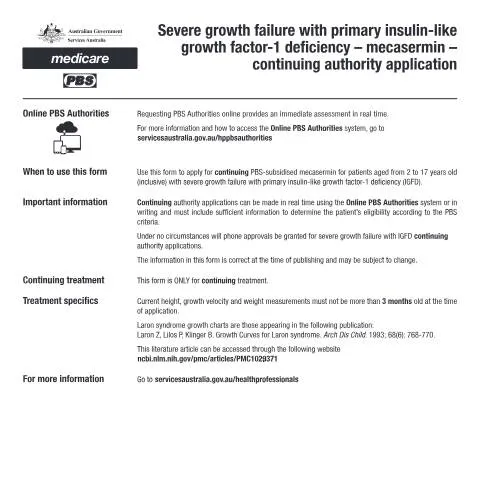
Understanding the PB337 Application: A Vital Step for Patients with Severe Growth Failure
For families battling the health challenges associated with severe growth failure, the PB337 form represents more than just paperwork—it is a crucial lifeline. Specifically designed for patients with primary insulin-like growth factor-1 (IGF-1) deficiency who require mecasermin, this form is critical in securing the necessary continuing authority for treatment. Understanding the nuances of this application process can make a significant difference in the lives of affected individuals and their families.
Who Needs to File the PB337 Form?
The PB337 application is primarily intended for health professionals overseeing the treatment of patients, particularly children, who are experiencing severe growth failure due to an IGF-1 deficiency. This may include pediatricians, endocrinologists, and other specialists who prescribe mecasermin as a treatment option. It’s important to note that not all patients are eligible; specific criteria must be met to qualify for this treatment.
Identifying Eligible Patients
- Age Considerations: Generally, the application is geared towards minors, as growth failure is most commonly identified during childhood and adolescence.
- Diagnosis Confirmation: Only those diagnosed with primary IGF-1 deficiency can apply, requiring detailed medical documentation.
- Previous Treatment History: Applicants need to have a documented history of inadequate growth and other treatments attempted prior to initiating mecasermin.
The Role of PB337 in the Treatment Journey
The PB337 form plays a pivotal role in the treatment protocol for individuals requiring mecasermin. It serves as the official request to the Services Australia for the continuing authority necessary to use the medication without interruption. Completing this form accurately is essential for ensuring that there are no delays in treatment, which can be detrimental to a child's development.
Completing the PB337 Form: Essential Steps
- Gather Necessary Information: Collect all relevant medical records, growth charts, and previous treatment documentation.
- Health Professional's Details: Ensure that the details of the prescribing health professional, including their qualifications and relationships to the patient, are clearly stated.
- Detail the Specifics of the Condition: Provide a thorough description of the patient's condition, previous treatments, and justifications for the need for mecasermin.
Submitting the PB337 Form: Where and How?
Once the PB337 form is completed, the next critical step is submitting it to Services Australia. This can be done through the myGov platform, which is the central hub for managing various Australian government services online. It’s crucial for families to ensure that their submissions are made through the correct channels to avoid unnecessary delays.
Timeline for Submission and Processing
- Submission Period: Forms should be submitted as early as possible, especially when treatment is essential.
- Processing Time: While the exact processing time can vary, applicants should anticipate a waiting period during which their form is reviewed.
- Outcome Notification: Applicants will receive notification regarding the outcome of their application, which can take several weeks.
What Happens After Submission? The Decision-Making Process
After submission, the application undergoes a rigorous review process. Medical officers examine the provided information to determine whether the criteria for authorisation are met. Understanding the potential outcomes of this process can help families prepare for what lies ahead.
Possible Outcomes
| Outcome | Description |
|---|---|
| Approval | The application is approved, and the patient can continue receiving mecasermin. |
| Request for Additional Information | The reviewing officer may require further documentation or clarification to proceed. |
| Denial | The application is denied, potentially due to not meeting the necessary criteria. |
In Case of Denial: Next Steps
Receiving a denial can be disheartening, but it’s essential to understand that this is not the end of the road. There are procedures in place to appeal decisions or provide additional information that may lead to a favorable outcome. Parents and guardians should be proactive in addressing any issues raised in the denial.
Appeal Process Overview
- Understand the Reasons for Denial: Carefully review the notification to comprehend why the application was not approved.
- Gather Supporting Evidence: Collect any additional medical records, expert opinions, or other documentation that may strengthen the case.
- File an Appeal: Follow the outlined process to formally appeal the decision, often requiring the completion of additional forms or submission of more detailed information.
Tracking the Progress of Your Application
Being proactive in tracking the status of your PB337 application is crucial. Utilizing the myGov account provides applicants with the ability to check updates regarding their applications. Engaging with Services Australia can also provide peace of mind during the waiting period.
Effective Communication with Services Australia
- Keep Records: Maintain copies of all communications and submissions related to the application.
- Follow-Up: If there is a significant delay beyond the expected processing timeline, do not hesitate to initiate contact with Services Australia to inquire about the status.
- Seek Assistance: If navigating the process becomes overwhelming, consider reaching out to support groups or professional advisors who specialize in health-related administrative processes.
What to Know About Responsibilities and Rights
Filing the PB337 is not just about securing treatment; it also entails understanding the rights and responsibilities of patients and their families. Recognising these can empower applicants and ensure they are well-informed throughout the process.
Patient Rights Post-Submission
- Right to Information: Patients and their families are entitled to clear information about the process, the timeframe for decisions, and their rights regarding appeals.
- Respect for Privacy: All medical information submitted is protected under privacy laws, ensuring sensitive data remains confidential.
- Right to Appeal: Families have the right to challenge denials and request further review or reconsideration.
Conclusion: The Importance of Persistence and Preparation
Navigating the PB337 application process can be daunting, especially for families already facing the challenges of severe growth failure. However, thorough preparation, understanding the requirements, and being proactive can significantly enhance the chances of a successful application. The journey may be complex, but the potential benefits of securing necessary treatment are invaluable for those affected.
Understanding Insulin-like Growth Factor-1 Deficiency
Primary Insulin-like Growth Factor-1 (IGF-1) deficiency is a rare genetic disorder that significantly impacts growth and development in children. The deficiency results from mutations affecting the production or action of IGF-1, which is fundamental for normal skeletal growth and development. Children with severe growth failure due to IGF-1 deficiency typically present with noticeably reduced height and other associated health issues. Diagnosis often involves a combination of clinical assessment, biochemical tests to measure IGF-1 levels, and genetic testing to determine the underlying cause of the deficiency.
Understanding the nuances of this condition is vital for families navigating the complexities of healthcare systems, especially when it comes to accessing appropriate treatments like mecasermin. Mecasermin, a recombinant form of IGF-1, can be a critical part of the treatment plan, helping to promote growth in affected individuals. However, due to the specialized nature of this medication, a thorough understanding of the eligibility criteria for accessing it through the Australian healthcare system is imperative.
Process for Applying for Continuing Authority for Mecasermin
When seeking funding for mecasermin through the PBS (Pharmaceutical Benefits Scheme), families and healthcare providers must complete a Continuing Authority application form (PB337). This form is designed for patients who have been receiving mecasermin as part of their treatment regimen and need to continue therapy. The process typically involves several steps to ensure that the application is thorough and meets the necessary criteria.
Firstly, it is essential for the healthcare provider to document the patient's medical history and treatment response adequately. This documentation must include specific details regarding the patient’s growth patterns and any associated health concerns. The healthcare provider's familiarity with the requirements set forth by the PBS is crucial, as it directly influences the likelihood of successful approval.
Secondly, the application must illustrate that the patient meets the PBS eligibility criteria. This typically includes demonstrating ongoing growth failure due to IGF-1 deficiency and the necessity of continued treatment with mecasermin. It is advisable to include any relevant medical reports, growth charts, and laboratory results supporting the application. These documents will help substantiate the claim and illustrate the patient's ongoing need for the medication.
Finally, once the PB337 form is completed, it should be submitted via the appropriate channels, and families should be prepared for potential queries or requests for further information from Services Australia. Being proactive in communication with healthcare providers and understanding the follow-up process can significantly streamline application approval.
Community and Support Networks for Families Affected by IGF-1 Deficiency
Navigating severe growth failure due to primary IGF-1 deficiency can be overwhelming, not only for patients but also for their families. Fortunately, Australia has a vibrant community of support networks and advocacy groups dedicated to assisting families dealing with this rare condition. These networks provide a wealth of resources, from educational materials to emotional support, connecting families who share similar experiences.
Engaging with these communities can be incredibly beneficial. They often offer forums for sharing personal experiences, tips for managing treatment, and insights into the latest research developments. Additionally, support groups can serve as a platform for advocacy, helping to raise awareness about IGF-1 deficiency and influencing policy decisions regarding access to treatments like mecasermin.
Parents and caregivers are encouraged to explore online resources and local meet-ups, where they can learn from healthcare professionals and other families. These gatherings often feature guest speakers, including endocrinologists and geneticists, who can provide valuable information about the latest advancements in treatment and management strategies. Furthermore, creating connections through these networks can foster a sense of community and solidarity, which is crucial in managing the emotional and practical challenges posed by the condition.
Lastly, remaining informed about the latest research and clinical trials related to IGF-1 deficiency can empower families to make informed decisions regarding treatment options and participate in discussions with healthcare providers about the best possible care pathways.