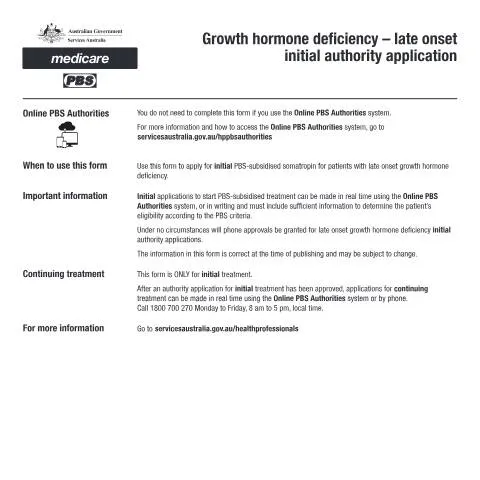
Understanding Your Journey with the PB248 Form
Imagine navigating the complexities of late-onset growth hormone deficiency, a condition that can significantly impact one’s quality of life. For many individuals and their families, the first step towards obtaining essential treatment is filling out the Growth Hormone Deficiency - Late Onset Initial Authority Application Form (PB248). This document opens the door to potential support from Services Australia, but the process can feel daunting. Understanding its purpose, who should submit it, and the implications of your submission is crucial for a successful outcome.
The Role of PB248 in Securing Health Support
The PB248 form plays a pivotal role for health professionals and their patients seeking authority for treatment related to late-onset growth hormone deficiency. The process begins with a medical assessment which confirms the diagnosis, setting the stage for the application. Health professionals must ensure that they provide comprehensive medical evidence supporting the diagnosis, as this significantly influences the outcome of the application.
Who Needs to Submit the PB248 Form?
- Adults diagnosed with Late Onset Growth Hormone Deficiency - Typically, these individuals may have symptoms that significantly affect their daily lives, stemming from hormonal imbalances.
- Medical practitioners - They are responsible for filling out the form on behalf of the patient, ensuring that the medical evidence is both accurate and comprehensive.
- Family members or guardians - In cases involving minors or individuals unable to submit the application themselves, a legal guardian can act on their behalf.
The Stakes: What Happens if the Application is Incomplete?
An incomplete application can result in delays or even rejection of necessary treatment. Each piece of information, from the patient’s medical history to the specific evidence of deficiency, plays a crucial role in the review process. Missing documentation can lead to the following:
- Delays in receiving treatment, which can exacerbate the condition.
- Potential rejection of the application, requiring a follow-up and resubmission.
- Increased anxiety for patients and their families, who are reliant on timely access to medical support.
Navigating the Submission Process: Online vs. Paper
When it comes to submitting the PB248 form, applicants have options, but the method of submission can influence the processing speed and overall experience.
Online Submission via myGov
The online platform myGov offers a streamlined approach to submission. With a central login, applicants can easily track the status of their application and communicate directly with Services Australia. Here’s how to make the most of this option:
- Log into your myGov account.
- Access the Services Australia section and locate the PB248 form.
- Complete the form online, ensuring all medical evidence is attached.
- Submit your application and note any reference numbers for tracking purposes.
Paper Submission: A Traditional Approach
For those who prefer a physical form or who may not have internet access, submitting a paper form is still an option. Here are some considerations:
- Ensure the form is filled out legibly and completely.
- All supporting documents must be included in the application package.
- Mail the completed form to the appropriate address as specified by Services Australia.
Keep in mind that paper submissions can take longer to process than their online counterparts.
Understanding the Regulatory Framework
The framework governing the PB248 form is rooted in the Policies and procedures established by Services Australia. This regulatory backdrop is critical as it articulates the guidelines under which applications are assessed and processed. Key elements include:
- The Administrative Decisions (Judicial Review) Act 1977 (Cth), which ensures that decisions can be reviewed for their merits.
- Health Ministerial directives that outline eligibility criteria for late-onset growth hormone deficiency treatment.
- Protocols for gathering and evaluating medical evidence to support claims.
Being aware of this context can help applicants understand the seriousness of their submissions and the basis upon which decisions are made.
The Review Process: What to Expect
Once the PB248 application has been submitted, it enters the review process, a crucial stage where the completeness and medical necessity of the application are evaluated. Understanding this phase can help manage expectations.
Timelines and Milestones
The time it takes to receive a decision can vary based on several factors, including:
- Volume of applications received by Services Australia.
- Complexity of individual cases.
- Completeness of submitted documentation.
During this time, applicants can take proactive steps to follow up on their application. It is advisable to keep a record of all communications with Services Australia and to inquire politely about the status if there seems to be an unusual delay.
Responding to Outcomes: Approval, Denials, and Appeals
Receiving a decision on the PB248 form can evoke a range of emotions, from relief to disappointment. If the application is approved, the patient can commence treatment, which is a significant step toward improved health. However, if the application is denied, there are options available:
- Request reconsideration - This involves reaching out to Services Australia to discuss the reasons behind the denial and if further evidence can be provided.
- Merits review by the Administrative Appeals Tribunal (AAT) - If the applicant believes the decision is unjust, they can request a formal review. This process may entail additional time and effort, but it is a legal right.
Being informed about these options is crucial as it empowers individuals to advocate for their health needs effectively.
Unique Circumstances: Tailoring the PB248 Submission
Not all applicants will fit neatly into a standard profile. Various factors can complicate the application process, requiring tailored approaches to submitting the PB248 form.
For Minors and Their Guardians
When a minor is diagnosed, parents or guardians must navigate the application process on their behalf. This situation may require:
- Additional medical documentation to support the case.
- Clear identification of the guardian's authority to act on the minor's behalf.
This can add layers of complexity, making thorough preparation essential.
International Applicants: Addressing Special Cases
In some instances, individuals residing in Australia but holding visas may face unique challenges. For these applicants:
- Confirm the eligibility for treatment under Australian regulations.
- Ensure that all documents are translated and certified as needed.
Understanding these nuances can prevent delays and ensure smoother processing of applications.
Tracking Your Progress: Tools and Tips
Keeping track of your application after submitting the PB248 form is vital, especially in terms of follow-ups and maintaining a proactive stance on your health journey. Here are practical tips:
- Use myGov - Monitor your application status online for immediate updates.
- Document all correspondence - Keep records of phone calls, emails, and letters regarding your application.
- Set reminders - If you haven't heard back within a reasonable timeframe, follow up with Services Australia.
The Importance of Keeping Informed
Success with the PB248 form often hinges on staying informed about changes to policies, procedures, and eligibility criteria that may affect your application. Regularly checking the official Services Australia website or connecting with health professionals can provide valuable insights and updates relevant to your situation.
In conclusion, navigating the PB248 form is just one part of a larger journey towards managing late-onset growth hormone deficiency. By being informed, proactive, and meticulous in the application process, individuals can significantly enhance their chances of receiving the necessary support for their health.