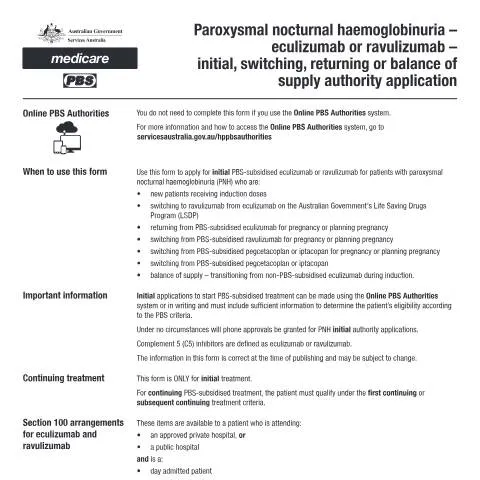
Understanding the PB327 Form: A Vital Step for Patients with Paroxysmal Nocturnal Haemoglobinuria
For patients dealing with the complexities of Paroxysmal Nocturnal Haemoglobinuria (PNH), navigating the healthcare system can be daunting. The PB327 form plays a crucial role in ensuring access to necessary medications such as eculizumab or ravulizumab. This document facilitates the authority application process, allowing health professionals to initiate, switch, return, or balance supply of these vital treatments.
The Regulatory Framework Surrounding the PB327 Form
The PB327 form exists within a well-defined regulatory context. Services Australia oversees the administration and processing of this form, ensuring that patients receive the health care they need. The Administrative Decisions (Judicial Review) Act 1977 outlines the legal framework that governs the review of healthcare decisions, establishing a fair process for patients and health professionals. Understanding this backdrop is essential for both applicants and practitioners, as it highlights the importance of proper documentation and adherence to guidelines.
Legal Protections for Patients
Under the provisions of the aforementioned Act, patients have certain rights concerning their treatment options. If an application is denied, applicants can seek a merits review through the Administrative Appeals Tribunal (AAT), providing a pathway for reconsideration. This process underscores the importance of accurately completing the PB327 form, as it can impact the review process significantly.
Key Distinctions: PB327 vs. Similar Forms
While there are several forms related to medication authority applications, the PB327 is distinct in its focus on treatments specifically for PNH. Understanding the nuances between forms can help avoid confusion and ensure that patients receive the correct medications without unnecessary delays.
Comparing Related Authority Application Forms
| Form Code | Description | Target Conditions |
|---|---|---|
| PB327 | Eculizumab or Ravulizumab Authority Application | Paroxysmal Nocturnal Haemoglobinuria |
| PB123 | Authority Application for Other Rare Disorders | Various Rare Conditions |
| PB456 | Authority Application for Cancer Treatments | Cancer |
By recognizing these distinctions, health professionals can more efficiently guide their patients through the application process, reducing the chances of misapplication or delays in treatment.
Filing the PB327 Form: Channels and Processes
Submitting the PB327 form is a critical step in the process of obtaining medication authority. There are several channels available for submission, each with its own nuances.
Options for Submission
- Online through myGov: This is the most efficient method, enabling quick processing and tracking of your application.
- Paper Submission: While less common, patients can send a completed form via mail, but this method may lead to delays.
- In-Person at a Service Centre: For those preferring direct interaction, submissions can be made at Services Australia offices, ensuring immediate confirmation of receipt.
Each method has its pros and cons, and the choice often depends on personal preference and urgency. Online submissions through myGov are generally recommended for their speed and efficiency.
The Lifecycle of the PB327 Application: From Submission to Outcome
Once the PB327 form is submitted, applicants often wonder what happens next. Understanding the lifecycle of the application can demystify the process and set proper expectations.
Timeline for Processing Applications
The processing time for PB327 applications can vary. Typically, applicants may expect an outcome within a specified timeframe, dependent on the complexity of each case and the completeness of the submitted documentation. Incomplete applications or discrepancies may lead to additional requests for information, extending the timeline.
Upon approval of the application, the patient can access the prescribed medications. If the application is denied, the patient has the right to appeal, as previously mentioned, initiating a secondary review process.
The PB327 Form Within the Broader Healthcare Context
It's important to view the PB327 form as a component of a larger healthcare framework. This form connects patients with essential resources, and its purpose extends beyond mere paperwork.
Integration with Treatment Plans
This application is often part of a broader treatment strategy, where healthcare providers assess a patient's needs and develop a comprehensive care plan. The successful completion of the PB327 can significantly impact a patient's quality of life, ensuring they receive timely and effective treatment for PNH.
Best Practices for Completing the PB327 Form
Filling out the PB327 form accurately is crucial. Not only does it facilitate the approval process, but it also ensures that the patient's medical needs are adequately represented.
Steps for Proper Completion
- Gather Comprehensive Medical Records: Ensure that all relevant medical documentation is available, as this will support the application.
- Consult with Healthcare Providers: Engage with the medical team to fill out the form correctly, especially in relation to treatment history and current needs.
- Double-Check for Accuracy: Review the completed form for any errors or omissions that could delay processing.
- Submit in a Timely Manner: Aim to submit the application as soon as possible to prevent treatment delays.
By following these best practices, patients can enhance the likelihood of a swift and favorable outcome.
What to Expect After Submission: Navigating the Waiting Period
After submitting the PB327 form, it’s essential to be patient but proactive. The waiting period can feel lengthy, and understanding how to navigate this time can provide assurance.
Staying Informed
Patients can track their application status through their myGov account if submitted online. This feature allows for greater transparency and reduces anxiety about the waiting process. If the application was submitted via paper or in-person, patients may not receive immediate updates, making it all the more important to follow up after a reasonable period.
Challenges and Considerations in the Application Process
While the PB327 form is designed to facilitate access to essential medications, applicants may encounter challenges along the way. Recognizing these potential hurdles can prepare individuals to address them proactively.
Common Challenges
- Incomplete Information: Missing data can lead to rejection or delays, emphasizing the need for thoroughness.
- Documentation Issues: Not providing adequate medical justification may hinder the approval process.
- Understanding Eligibility Criteria: Confusion regarding the specific requirements for PNH medications can complicate applications.
Being aware of these challenges and preparing accordingly can significantly improve the application's success rate.
Final Thoughts: Empowering Patients Through Knowledge
The PB327 form is far more than just a piece of paper; it is a gateway to essential medications for individuals living with Paroxysmal Nocturnal Haemoglobinuria. By understanding its role within the healthcare system, patients and health professionals alike can work together to navigate the application process effectively. Staying informed, being proactive, and ensuring accurate submissions are vital components in securing the necessary treatment and support.
Understanding the Applications for Eculizumab and Ravulizumab
The process of accessing Eculizumab and Ravulizumab through PBS (Pharmaceutical Benefits Scheme) in Australia can be complex, particularly for patients suffering from Paroxysmal Nocturnal Hemoglobinuria (PNH). Both medications are crucial for managing this rare blood disorder, and understanding the nuances of their application forms can significantly impact patient outcomes. When applying for these treatments, applicants need to navigate the balance of supply authority application form (PB327) effectively.
When considering an initial application, patients must ensure they meet all eligibility criteria as outlined by the PBS guidelines. This includes providing comprehensive medical history, relevant laboratory results, and any previous treatments attempted. The documentation should clearly illustrate the diagnosis of PNH, indicating how it has affected the patient's health, particularly with respect to hemolysis and associated complications. It is essential for healthcare providers to provide robust evidence, as this will significantly influence the success rate of the application.
Switching between Eculizumab and Ravulizumab: Key Considerations
Switching from Eculizumab to Ravulizumab (or vice versa) requires careful consideration and a well-structured application process. The rationale for switching may include the patient's response to treatment, side effects, or logistical concerns about dosing frequency. Eculizumab necessitates more frequent infusions, whereas Ravulizumab is administered less frequently, which could provide a more convenient option for some patients.
When submitting a switching application, the prescriber must detail the reasons for the switch. This should include a comprehensive report of the patient's treatment history, response to the current therapy, and any adverse effects encountered. The balancing act here lies in ensuring that the switch is clinically justified while adhering to the PBS criteria — providing clear medical rationale can help streamline the approval process. Also, patients should be aware of any potential gaps in therapy during the transition and work closely with their healthcare teams to minimize risks associated with treatment interruption.
Returning Patients: Navigating Approval for Resuming Treatment
For patients who have previously received Eculizumab or Ravulizumab and are looking to return to treatment after a hiatus, understanding the re-application process is crucial. Circumstances may arise that lead to temporary discontinuation, such as changes in health status, financial constraints, or personal decisions. When patients wish to resume treatment, they must submit a new application for PBS approval, potentially using the same PB327 form.
Healthcare providers should be prepared to furnish an updated medical report that outlines the patient's current health status, reasons for the previous discontinuation, and any changes in their condition since the last treatment. It is vital to demonstrate the ongoing need for these medications, considering that the disease may have progressed or transformed in severity during the treatment gap. Clear, concise, and thorough documentation will aid in justifying the need for renewed access to these therapies, ensuring that the transition back to treatment is as smooth as possible.