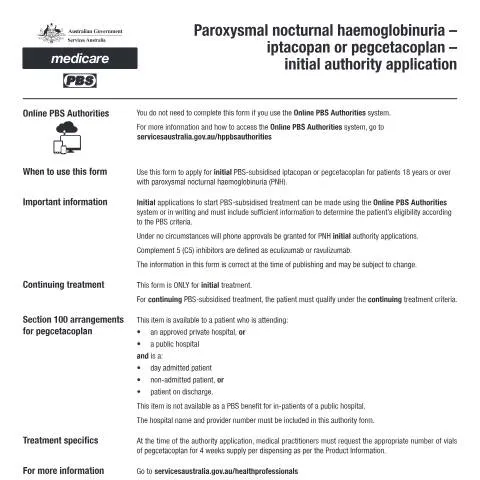
Diving Deep into the PB343 Form: Understanding its Critical Role
In the realm of healthcare in Australia, certain conditions warrant special treatment protocols. One such condition is Paroxysmal Nocturnal Hemoglobinuria (PNH). For patients diagnosed with this rare and severe illness, accessing medication like iptacopan or pegcetacoplan is crucial. The PB343 form is pivotal in this regard. Its purpose extends beyond mere paperwork; it represents a gateway for patients to receive critical treatments that can significantly impact their quality of life.
Who Initiates the PB343 Application: Demystifying the Applicant Profile
The initiation of the PB343 application is not a casual affair. Typically, it is health professionals, specifically doctors, who are the primary applicants for this form. It necessitates a thorough understanding of the patient's medical profile and treatment history, which the physician must provide. This ensures that the application is robust and justifiable.
However, it’s not solely the responsibility of the physician. Patients also play a vital part in this process by ensuring that their medical records are up-to-date and that they are actively communicating with their healthcare providers. Engaging with the medical team, maintaining an accurate record of symptoms and treatment responses, and promptly reporting changes can influence the completeness and accuracy of the application.
Navigating the PB343: Step-by-Step Completion Guide
Completing the PB343 form may seem daunting, but breaking it down into manageable steps can ease the process significantly. Here’s a structured approach to filling out the form:
- Confirm Eligibility: Ensure the patient meets the eligibility criteria for receiving iptacopan or pegcetacoplan.
- Gather Required Information: Compile all necessary medical history, current treatments, and specific details regarding the diagnosis of PNH.
- Complete the Form: Fill in the sections methodically, ensuring that each detail is accurate. Pay close attention to any specific medical codes and terminologies.
- Review: Before submission, it’s crucial to review the form for any errors or omissions. A thorough check can save time and prevent delays.
- Submit the Application: Choose your preferred submission method, whether online or via paper, and submit accordingly.
The Submission Process: From Online to Traditional Methods
Submitting the PB343 form is a crucial step and can be done through various channels, each with its unique characteristics. Understanding these differences can aid in selecting the best approach for your situation:
- Online Submission: This is often the quickest way to submit the form. Utilizing platforms like myGov ensures that your application is received in real-time, minimizing delays.
- Paper Submission: For those who prefer traditional methods, mailing a printed version of the PB343 form is an option. However, it's essential to account for postal times, which can introduce delays in processing.
- In-Person Submission: Some individuals may opt to submit their forms in person at a Services Australia office. This method allows for immediate confirmation of receipt, but it may involve wait times.
The Regulatory Framework: Why the PB343 Form Exists
Understanding the regulatory framework surrounding the PB343 form helps to appreciate its importance. It operates within a specific legal context that mandates the assessment and approval of certain medications for rare diseases like PNH. This framework ensures that patients have access to necessary treatments while maintaining safety and efficacy standards.
The Administrative Decisions (Judicial Review) Act 1977 provides a pathway for patients to appeal decisions regarding their applications, ensuring that their rights are protected. This act highlights the significance of proper documentation and justifiable requests, reinforcing the pivotal role of the PB343 form in facilitating access to critical medications.
Understanding the Broader Context of Healthcare Applications
The PB343 form does not exist in a vacuum. It is part of a larger landscape of healthcare applications and assessments. For patients with conditions like PNH, this form is often the first step in what can be a complex bureaucratic journey. Here’s how it fits into the wider healthcare system:
- Interfacing with Medicare: Once the PB343 is approved, patients may need to also liaise with Medicare for coverage and reimbursement purposes, highlighting the importance of a comprehensive approach to healthcare documentation.
- Interaction with Pharmaceutical Benefits Scheme (PBS): The outcomes of the PB343 form directly affect a patient’s eligibility for subsidized medicines under the PBS, a crucial consideration for ongoing treatment.
- Follow-Up Applications: Approval of the PB343 may necessitate further applications for continued access to treatment, emphasizing the need for ongoing patient-doctor collaboration.
Timelines and What Lies Ahead After Submission
Understanding the timeline associated with the PB343 form is vital, not only for planning purposes but also for managing patient expectations. Once submitted, the review process can vary based on several factors:
| Submission Method | Typical Processing Time | Factors Impacting Timeline |
|---|---|---|
| Online | Faster, often within weeks | Completeness of application, system efficiency |
| Paper | Longer, could take weeks to months | Postal delays, manual processing |
| In-Person | Varies based on office traffic | Volume of applications at the office |
After submission, applicants are encouraged to follow up on their application status. Regular communication with healthcare providers about the progress of the application can also help patients stay informed.
After Approval: Navigating Treatment and Ongoing Requirements
Receiving approval through the PB343 form is just the beginning. Patients must remain actively involved in their treatment plans. This often includes:
- Regular Monitoring: Ongoing health assessments are essential to determine the effectiveness of the treatment and to make necessary adjustments.
- Re-application for Continued Treatment: Depending on the specific medication and the patient’s condition, further applications may be required to ensure uninterrupted access to treatment.
- Engaging with Support Services: Access to patient support services and advocacy groups can provide additional resources and guidance throughout the treatment process.
In conclusion, the PB343 form is not merely a bureaucratic necessity but an essential document that opens doors to vital treatments for patients suffering from PNH. By thoroughly understanding the intricacies of this application, healthcare professionals and patients alike can navigate the complexities of the Australian healthcare system more effectively.
Understanding Paroxysmal Nocturnal Hemoglobinuria (PNH) in the Australian Context
Paroxysmal nocturnal hemoglobinuria (PNH) is a rare and severe blood disorder that leads to the destruction of red blood cells (hemolysis), resulting in a range of complications including fatigue, abdominal pain, and even life-threatening thrombosis. It occurs due to mutations in the PIGA gene, leading to a deficiency in glycosylphosphatidylinositol (GPI) anchor proteins on the surface of blood cells, making them susceptible to destruction by the immune system.
In Australia, individuals diagnosed with PNH are often eligible for specialized treatments such as iptacopan (LNP023) and pegcetacoplan (APL-2), which can significantly improve their quality of life. However, gaining access to these therapies is contingent on navigating the complexities of the Pharmaceutical Benefits Scheme (PBS) and meeting specific eligibility criteria.
Eligibility Criteria for PBS Authority Applications for Iptacopan and Pegcetacoplan
When applying for initial authority for treatments like iptacopan or pegcetacoplan via the PBS, it is crucial to understand the stringent eligibility criteria put forth by the Pharmaceutical Benefits Advisory Committee (PBAC). These criteria typically include:
- Confirmed Diagnosis: Applicants must provide documentation confirming a diagnosis of PNH. This may include laboratory tests showing the presence of hemolysis and documentation from a specialist haematologist.
- Previous Treatments: Evidence of prior treatments, including immunosuppressive therapies or other medications that have failed, is often necessary. This shows that the applicant has explored all other options before seeking these newer therapies.
- Severity of Condition: The application must detail the severity and impact of PNH on the applicant’s life, supported by medical evidence like laboratory results and symptom diaries. This can include evidence of fatigue levels, frequency of hemolytic episodes, and any resulting complications such as thrombosis.
- Age and Health Status: Some criteria may vary based on age or comorbid conditions, which may affect the suitability for treatment. For instance, younger patients may have different prognostic factors compared to older patients.
It is advisable to consult with healthcare professionals familiar with the PBS application process when preparing your initial authority application form (PB343). This ensures that all necessary documentation is complete and accurate, improving the chances of a successful application.
Navigating the Approval Process: Tips for a Successful Application
Filing the initial authority application form (PB343) for medications like iptacopan or pegcetacoplan requires attention to detail and thoroughness. Here are some practical tips to enhance your application’s success rate:
- Gather Comprehensive Documentation: Ensure that all required documents are collected upfront. This includes medical records, laboratory test results, and letters of support from your treating physician detailing the treatment rationale.
- Follow Instructions Meticulously: The PB343 form has specific instructions that must be followed precisely. Pay attention to each section of the form and provide additional information where required. Incomplete or inaccurately filled forms can lead to delays or rejections.
- Submit the Application Promptly: Submit your application as soon as you have all the necessary documentation. Delays in submission can affect the timely initiation of treatment, which is critical for managing PNH effectively.
- Stay Informed: Keep abreast of any changes in PBS eligibility criteria or treatment guidelines. The landscape for rare diseases can change rapidly, and staying informed can help ensure your application aligns with current standards.
- Follow Up: After submission, do not hesitate to follow up with Services Australia for the status of your application. Understanding where your application stands can help manage expectations and prepare for next steps.
By equipping yourself with the knowledge of the application process and leveraging available resources, you can enhance your likelihood of obtaining critical therapies for managing paroxysmal nocturnal hemoglobinuria.