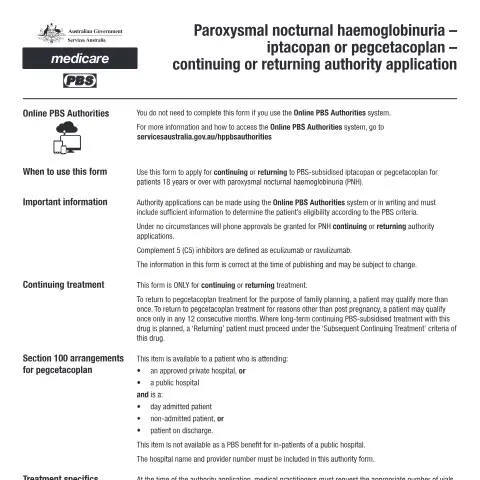
Understanding the PB344 Form: A Critical Resource for Patients with Paroxysmal Nocturnal Haemoglobinuria
When navigating the complexities of treatment for Paroxysmal Nocturnal Haemoglobinuria (PNH), individuals often find themselves needing to access specific medications like iptacopan or pegcetacoplan. The PB344 form is essential in securing ongoing or returning authority for these treatments. This document is not just a formality; it represents a lifeline for many, allowing them to remain on potentially life-saving therapies. Understanding its intricacies can significantly impact the patient’s treatment journey.
Who Should Submit the PB344 Form?
The PB344 form is primarily intended for patients diagnosed with Paroxysmal Nocturnal Haemoglobinuria who have previously been authorized to receive treatments such as iptacopan or pegcetacoplan. Typically, health professionals, including doctors and specialists involved in the patient’s care, will submit this form on behalf of the patient. However, patients themselves can also be empowered to initiate this process, fostering a proactive approach to their health management.
Eligibility Criteria
- Previous Authorization: Patients must have had prior approval for the medication in question.
- Continuity of Care: The application is for those whose treatment has been temporarily interrupted or who are returning to treatment.
- Medical Documentation: Support from a healthcare provider confirming ongoing need is essential.
Decoding the PB344: Section by Section Analysis
Completing the PB344 form accurately is paramount. Each section serves a specific purpose and requires careful attention to detail. Below, we explore the sections of the form and highlight potential pitfalls that applicants should be aware of.
Patient Information
This section asks for personal details such as the patient's full name, date of birth, and address. Ensure that:
- The name matches official medical records.
- Contact information is up-to-date for timely communication.
Health Provider Details
Here, applicants must provide information about their healthcare provider. It's crucial to:
- Include the provider’s registration details.
- Verify that the contact details are accurate to prevent delays.
Details of Current Treatment
In this section, information on the current treatment regimen must be provided. Highlighting any changes in dosage or therapy is vital. Be cautious to:
- Clearly state the medication name and dosage.
- Document any side effects or issues encountered with previous treatments.
Supporting Clinical Evidence
The PB344 form requires supporting documents that validate the need for continuing treatment. Common documents include:
- Recent medical reports.
- Letters from specialists outlining the patient’s condition and treatment history.
Ensure these documents are comprehensive and submitted alongside the application to avoid any rejection of the form.
Submitting the PB344: Pathways to Approval
Once the form is completed, it's time to consider how to submit it. The submission process can affect the speed and efficiency of the approval. Here's what you need to know:
Submission Methods
- Online Submission: The preferred method is through the myGov platform, which allows for immediate processing.
- Mail Submission: If online submission is not possible, you may send the form via postal service. However, this can lead to longer processing times.
What to Expect After Submission
Once submitted, the application will be reviewed by Services Australia. Patients should anticipate receiving a response within a designated timeframe. It is important to:
- Monitor your myGov account for notifications.
- Be prepared to respond to any requests for additional information promptly.
Handling Rejections or Requests for Additional Information
Receiving a rejection notice can be disheartening, but it’s crucial to understand the reasons behind it. Common reasons include:
Common Issues Leading to Rejection
- Incomplete information or missing signatures.
- Insufficient supporting documentation.
- Failure to adhere to specific eligibility criteria.
Steps to Take Following a Rejection
If your application is rejected, you have the right to appeal the decision. Key steps include:
- Review the rejection letter for specific reasons.
- Gather any additional documentation or clarification needed.
- Submit your appeal promptly, along with a cover letter detailing your request for reconsideration.
Understanding Your Rights and Obligations
Applying for the PB344 form involves navigating not only the administrative requirements but also understanding your rights as a patient. As an applicant, you have several rights, including:
Patient Rights
- Right to Confidentiality: Your personal health information is protected.
- Right to Appeal: If you disagree with a decision, you are entitled to appeal.
- Right to Information: You can request information regarding the status of your application.
Obligations of the Applicant
While you have rights, there are also responsibilities to fulfill:
- Ensure the accuracy of the information provided in your application.
- Submit all required documentation in a timely manner.
Unique Considerations for Different Patient Profiles
Different patients may face unique challenges when applying for the PB344 form. Understanding how various profiles can affect the application process is important.
Older Patients
Older patients may have additional health concerns or require assistance in completing the application. Ensuring that their healthcare provider is involved can streamline the process.
Patients with Cognitive Impairments
For patients with cognitive challenges, it may be necessary to involve a family member or caregiver in the completion and submission of the form. Clearly documenting the patient’s condition can facilitate a smoother application process.
Patients in Remote Areas
Individuals living in rural or remote areas might encounter difficulties accessing healthcare services or submitting forms online. Alternative methods, such as telephone assistance from Services Australia, may be beneficial.
Post-Approval: Maintaining Treatment Continuity
Once the PB344 form is approved, it is vital to remain vigilant about treatment continuity. Patients should understand what steps to take next:
Receiving Medications
With the approval secured, patients can coordinate with their healthcare providers or pharmacies to ensure that their medications continue to be dispensed without interruption. Regular follow-ups with healthcare providers are advised to monitor treatment effectiveness.
Future Applications
Patients should be aware that they may need to reapply for the PB344 form periodically. Staying organized and maintaining up-to-date medical records will facilitate future applications.
Final Thoughts: The Importance of Advocacy and Support
Navigating the PB344 process can be daunting, but understanding each step can empower patients. It is recommended to seek support from healthcare professionals and patient advocacy groups who can provide guidance and assistance. Being informed about the process increases the likelihood of a successful application, ultimately leading to better health outcomes.
Understanding Paroxysmal Nocturnal Hemoglobinuria (PNH)
Paroxysmal Nocturnal Hemoglobinuria (PNH) is a rare and serious condition that affects the blood cells. It is characterized by the destruction of red blood cells, leading to symptoms such as fatigue, abdominal pain, and dark-colored urine, particularly noticeable at night. This condition arises from a mutation in the hematopoietic stem cells, causing an increase in sensitivity to complement-mediated lysis. Understanding the clinical aspects of PNH is paramount for both healthcare professionals and patients, as it can significantly influence the treatment options available.
Patients with PNH may experience a range of complications, including thrombosis and bone marrow failure. Diagnosis often involves a combination of laboratory tests, including flow cytometry to evaluate the presence of GPI-anchored proteins on the surface of blood cells. Given its complexities, ongoing monitoring and comprehensive management are essential. Therapeutic interventions can vary widely, from supportive care to advanced therapies such as eculizumab, which targets the complement system to reduce hemolysis. In Australia, newer treatments like iptacopan and pegcetacoplan are gaining attention, with applications for these therapies often requiring specific documentation and approvals.
Navigating the Authority Application Process for Iptacopan and Pegcetacoplan
The application process for continuing or returning authority to access iptacopan or pegcetacoplan via the PB344 form is crucial for patients diagnosed with PNH. It is important for healthcare professionals to understand the nuances of this process to assist their patients effectively. The PB344 form is specifically designed to streamline access to these newer treatments, as they may not be readily available on the Pharmaceutical Benefits Scheme (PBS) without proper approval.
When completing the PB344 form, it is vital to ensure that all sections are filled out accurately. The form requires detailed patient information, including the diagnosis, previous treatment history, and any adverse reactions to past medications. Supporting documentation from specialists, such as hematologists, can bolster the application, providing evidence of the necessity for the requested treatments. Additionally, clinicians should be aware of the criteria that must be met for the application to be approved, such as prior treatment failures or contraindications to standard therapies.
After submission, applicants can track the status of their application through the myGov portal, which offers a centralized hub for managing various health-related services. Understanding the timelines and potential pitfalls in this application process can save patients significant delays in receiving their necessary treatments. Should there be any complications or a denial of the application, the Administrative Appeals Tribunal (AAT) provides a pathway for review, ensuring that patients have a recourse in the event of disputes regarding their treatment options.
Patient Support and Resources in Australia
Living with PNH can be incredibly challenging, both physically and emotionally. Therefore, patient support is crucial. In Australia, there are numerous resources available for individuals diagnosed with PNH. Organizations such as patient advocacy groups offer valuable information, emotional support, and education about the disease and its management. They also work to raise awareness among healthcare professionals and the general public, fostering a better understanding of this rare condition.
Support networks can assist patients in navigating the complexities of their treatment plans, including guidance on the PB344 application process. Many of these organizations provide access to informational webinars, support groups, and one-on-one consultations, addressing both the clinical and psychosocial aspects of living with PNH.
Moreover, engaging with these support organizations can help patients stay informed about the latest research developments and treatment options. As iptacopan and pegcetacoplan continue to evolve in their clinical application, ongoing education and community support are integral to promoting better health outcomes for those affected by PNH. For families and caregivers, these resources can also provide much-needed assistance, offering ways to support their loved ones through the challenges of this condition, enhancing the overall quality of life.