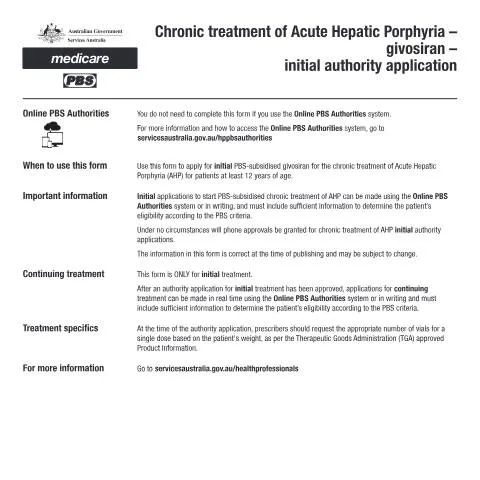
Navigating the System: The Role of PB399 in Acute Hepatic Porphyria Treatment
The Chronic Treatment of Acute Hepatic Porphyria - Givosiran - Initial Authority Application Form (PB399) plays a pivotal role in ensuring that patients suffering from acute hepatic porphyria receive the necessary treatments. Givosiran, a medication designed to manage this rare and debilitating condition, requires a thorough approval process initiated by the submission of this form to Services Australia. Understanding the importance of PB399 is crucial for healthcare professionals who will assist patients in navigating this essential step.
Understanding Who Needs to Submit PB399
The submission of PB399 is typically the responsibility of healthcare professionals who are managing the treatment of patients diagnosed with acute hepatic porphyria. This includes specialists in metabolic diseases and general practitioners who are familiar with the patient's medical history. However, the form can also be initiated by a patient's advocate in certain cases. Here’s a breakdown of the profiles involved:
- Primary healthcare providers: These are often the first point of contact for patients and will initiate the process.
- Specialists: Patients under the care of specialists in metabolic disorders will likely require this form for continued treatment with Givosiran.
- Advocates: Family members or legal guardians may also play a role in submitting this form on behalf of patients, particularly minors or those unable to do so themselves.
Disentangling PB399 from Similar Forms
It’s essential to differentiate PB399 from other forms that may be encountered within the bureaucratic system of Services Australia. While various forms cater to different treatments and conditions, PB399 has unique attributes that are necessary for the specific approval of Givosiran:
- Focus on a specific medication: Unlike general authority application forms, PB399 is tailored specifically for Givosiran, a targeted therapy for acute hepatic porphyria.
- Approval criteria: The criteria and necessary documentation for PB399 differ from those for common medications or therapies, making it crucial for providers to understand the nuances.
Key Differences to Note
Here’s a comparative look at PB399 and other authority application forms:
| Form Type | Intended Use | Unique Characteristics |
|---|---|---|
| PB399 | Initial Authority for Givosiran | Specific to acute hepatic porphyria management |
| General Authority Application | Various medications | Broad use; criteria vary widely |
| Repeat Authority Application | For ongoing treatment | Assumes initial authority has been granted |
The Patient Journey: From Diagnosis to Submission
For patients diagnosed with acute hepatic porphyria, the journey begins at the clinic. After a diagnosis, the healthcare provider will inform the patient about Givosiran as a treatment option. Here’s a step-by-step breakdown of the process leading up to the submission of PB399:
- Diagnosis Confirmation: A confirmed diagnosis is the first step. This typically requires specific tests that may involve genetic screening and biochemical assays.
- Discussion of Treatment Options: The healthcare provider discusses Givosiran with the patient, including its benefits and potential side effects.
- Form Preparation: The healthcare provider will gather necessary information to complete PB399, ensuring all required fields are filled accurately.
- Submission: Once completed, the form must be submitted through the appropriate channels.
After Submission: What Happens Next?
Post-submission, several outcomes are possible:
- Approval: If approved, the patient will receive a notification, allowing them to begin treatment with Givosiran.
- Request for Further Information: Sometimes, Services Australia may require additional information to process the application, which the healthcare provider will need to supply.
- Decline: If the application is denied, the provider must inform the patient and discuss alternative treatment options or potential next steps.
Critical Timelines: From Application to Decision
Timing is essential in the treatment of acute hepatic porphyria. Understanding the timelines for PB399 is crucial for both healthcare professionals and patients:
- Submission Window: Once the healthcare provider has completed PB399, it should be submitted promptly to avoid delays in treatment.
- Decision Period: Services Australia typically has a timeframe within which they aim to process applications, although this can vary.
- Treatment Commencement: Upon approval, the patient can begin treatment, marking a crucial point in their management plan.
What to Expect During the Waiting Period
During this waiting period, patients and their families should remain informed and prepared. This might include:
- Following up with healthcare providers for updates.
- Considering alternative management strategies in case of delays.
- Addressing any immediate symptoms or concerns with their healthcare provider.
Submission Channels: Digital vs. Traditional Methods
Submitting PB399 can be done through various methods, each with its pros and cons:
- Online Submission: The preferred method via myGov is often faster and allows for real-time tracking. This channel typically requires the healthcare provider to have set up an account and to be registered with Services Australia.
- Paper Submission: While still accepted, paper forms can lead to longer processing times. It’s crucial to ensure that the form is sent to the correct address to avoid delays.
- In-Person Submission: For those who prefer face-to-face interactions, visiting a local Services Australia office can be an option. However, it’s advisable to make an appointment ahead of time to reduce waiting times.
Method-Specific Considerations
Here are some additional thoughts regarding each submission method:
- Online: Requires a myGov account; check for system outages or scheduled maintenance that could delay submission.
- Paper: Must ensure all signatures and required documentation are complete; also consider mailing times.
- In-Person: Can provide immediate answers to questions but may require time spent waiting during busy hours.
Dealing with Challenges: Addressing Denials and Issues
In the unfortunate event that an application for PB399 is denied, it’s crucial to know the next steps. Services Australia provides mechanisms for appeals and resubmissions:
- Understanding the Reason for Denial: The first step is to carefully review any communication from Services Australia to understand why the application was not approved.
- Gathering Additional Evidence: Most denials arise from insufficient documentation or unclear information. Collecting additional evidence or clarifying information is essential.
- Resubmitting: Once the additional information is gathered, the form can be resubmitted. In some cases, it may be beneficial to consult with a healthcare professional who has expertise in the approval process.
Special Considerations for Minors and Complex Cases
When dealing with minors or patients with complex health situations, there are additional layers of consideration:
- Parental Consent: For minors, the form must be submitted with the appropriate parental or guardian consent.
- Multiple Health Conditions: Patients with overlapping health issues may require additional documentation to clarify the need for Givosiran over other potential therapies.
- Urgent Cases: In urgent circumstances, communication with Services Australia prior to submission may expedite the review process.
Are You Ready for PB399?
Completing the Chronic Treatment of Acute Hepatic Porphyria - Givosiran - Initial Authority Application Form (PB399) is a crucial step in securing treatment for affected patients. Healthcare providers play a vital role in guiding patients through this process, ensuring that all necessary information is accurate and comprehensive. Awareness of the unique challenges and procedural details surrounding PB399 can significantly affect the outcomes for those suffering from this condition. For further assistance, consult the official guidelines provided by Services Australia to ensure all requirements are met.
Understanding Acute Hepatic Porphyria and Its Treatment Options
Acute Hepatic Porphyria (AHP) is a rare, genetic disorder that affects the production of heme, an essential component of hemoglobin. Individuals with AHP often experience acute attacks characterized by severe abdominal pain, neurological complications, and psychiatric symptoms. The management of AHP traditionally involves a combination of lifestyle modifications and acute treatment strategies during attacks. However, advancements in therapy, particularly with the introduction of givosiran, have revolutionized the treatment landscape. Givosiran, a small interfering RNA (siRNA) therapy, specifically targets the underlying biochemical defect, reducing the production of toxic heme precursors.
For individuals seeking treatment with givosiran, understanding the application process for initial authority through the PBS (Pharmaceutical Benefits Scheme) is crucial. This includes gathering the necessary documentation and ensuring that the prescribing physician is well-informed about the specific eligibility criteria set by the PBS for givosiran. The application process requires detailed clinical information, including the frequency and severity of acute attacks, prior treatments attempted, and any co-existing medical conditions that may impact the treatment plan.
Navigating the Initial Authority Application Process for Givosiran
The initial authority application form PB399 for givosiran is a pivotal step in accessing this treatment through the PBS. Completing this form involves several specific requirements, distinct from standard medication requests. Firstly, it’s essential to provide comprehensive clinical evidence that substantiates the diagnosis of AHP and the need for givosiran therapy. This includes detailed medical history, diagnostic test results, and any previous treatments attempted.
Alongside the form, it’s advisable to include supportive letters from specialists, detailing the impact of AHP on the patient’s daily life and previous management strategies. Clear articulation of the clinical rationale for givosiran therapy is vital. The prescribing physician must justify why givosiran is the most appropriate treatment option given the patient’s unique clinical circumstances.
Additionally, it’s important to note the timeline for processing these applications. While the PBS guidelines suggest a structured review process, delays can occur due to incomplete submissions or the need for additional information. Following up with the Department of Health or the relevant PBS authorities can help in tracking the application status and addressing any queries promptly.
Long-term Management and Monitoring of Patients on Givosiran
Once givosiran is approved and treatment commences, ongoing management and monitoring become essential aspects of patient care. Regular follow-up appointments should be scheduled to assess the drug’s efficacy and to monitor for potential side effects. Patients may be required to undergo periodic blood tests to evaluate liver function and ensure that the treatment is not leading to any unforeseen complications.
In addition to clinical assessments, patients should be educated on recognizing the early signs of acute porphyria attacks, ensuring they are equipped to respond promptly. Support groups and counseling services can provide invaluable assistance, helping patients cope with the psychological impact of living with a chronic illness. Engagement with a multidisciplinary healthcare team, including genetic counselors, nutritionists, and mental health professionals, can enhance the overall management approach and improve quality of life.
Moreover, as new data emerges regarding the long-term effects of givosiran, patients and healthcare providers must remain vigilant about any changes in treatment protocols or guidelines issued by the PBS or relevant health authorities.