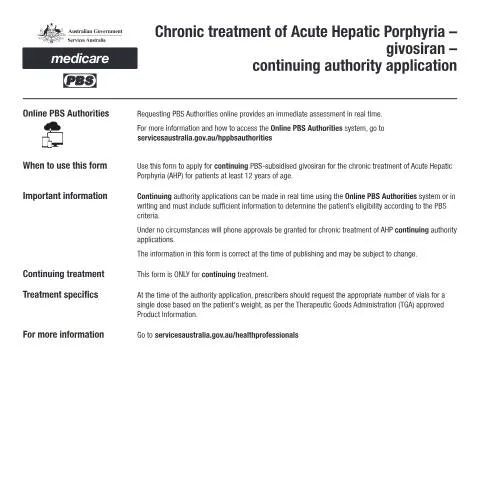
Navigating the Chronic Treatment of Acute Hepatic Porphyria: The Role of Form PB400
Imagine being one of the few diagnosed with a rare and debilitating condition like Acute Hepatic Porphyria (AHP). The challenges you face are not just health-related; navigating the complexities of treatment approvals can be daunting. Understanding the intricacies of Form PB400, the Chronic treatment of Acute Hepatic Porphyria - givosiran - continuing authority application form, is crucial for health professionals aiding patients in securing necessary treatments. This article delves deep into the function of this form, the processes involved, and practical tips for successful navigation.
The Context of Acute Hepatic Porphyria and Treatment Necessities
Acute Hepatic Porphyria is a condition characterized by the body's inability to produce heme, leading to severe abdominal pain, neurological complications, and other systemic issues. For individuals suffering from this disorder, accessing targeted therapies like givosiran is imperative. These treatments are not merely options; they are essential for improving quality of life and managing symptoms effectively.
Form PB400 is integral to this process, as it facilitates the ongoing authorization for givosiran treatment. This form is specifically designed for healthcare providers to communicate patient needs to Services Australia, ensuring that patients receive uninterrupted access to life-changing medication.
Delving into Form PB400: Structure and Purpose
Understanding the structure of Form PB400 is essential for accurate completion. The form is composed of several sections, each tailored to capture critical information about the patient's condition, treatment history, and ongoing needs. Health professionals must ensure that each segment is filled out accurately to prevent processing delays.
The Key Sections of Form PB400
- Patient Information: Essential details like the patient’s name, address, and Tax File Number (TFN) must be clearly stated.
- Diagnosis Details: This section requires precise information regarding the diagnosis of AHP, including any relevant medical history.
- Treatment Information: Health professionals must outline the treatment regimen, emphasizing the necessity of givosiran.
- Healthcare Provider Details: Information on the prescribing clinician, including their qualifications and contact information.
Completing these sections correctly ensures that Services Australia has a comprehensive view of the patient's health needs, thereby expediting the decision-making process.
Timelines and Expectations: What Happens After Submission
Once Form PB400 is completed and submitted, health professionals can expect a series of steps to unfold. Generally, the timeline for processing can vary, depending on the completeness of the application and the current workload of Services Australia.
Step-by-Step Processing Timeline
- Submission of Form PB400 to Services Australia.
- Initial assessment and verification of the received documentation.
- Consultation with medical experts if necessary for further evaluation.
- Final decision regarding the continuation of givosiran treatment.
- Notification sent to the healthcare provider and the patient about the outcome.
While these steps are generally followed, it’s important for health professionals to maintain communication with Services Australia to monitor the status of the application actively. This proactive approach can help mitigate delays.
Addressing Challenges: What to Do if Issues Arise
Despite best efforts, complications may occur during the approval process. Forms can be rejected for a variety of reasons, including incomplete information or insufficient medical justification. It is crucial to understand the avenues available for addressing these challenges.
Common Reasons for Rejection
- Incomplete patient details or missing TFN.
- Insufficient medical history or supporting documentation.
- Failure to demonstrate the need for ongoing treatment.
In the event of a rejection, health professionals should take the following steps:
- Carefully review the notification letter from Services Australia to understand the specific reasons for rejection.
- Gather any additional documentation or information that addresses the concerns raised.
- Resubmit the application with the necessary amendments and clarifications.
Persistence is key. By clearly communicating the necessity of continued treatment, healthcare providers can facilitate better outcomes for their patients.
Legal Framework and Regulatory Considerations
The approval processes surrounding Form PB400 are governed by several pieces of legislation aimed at ensuring equitable access to medical treatments. Understanding this regulatory environment can provide additional context for health professionals navigating the application process.
Key Legislative Frameworks
| Legislation | Purpose |
|---|---|
| Administrative Decisions (Judicial Review) Act 1977 (Cth) | Provides guidelines for the review of decisions made by government bodies, ensuring fair processes for all applicants. |
| Health Insurance Act 1973 | Regulates the provision of health services, ensuring that patients receive necessary treatments without undue obstacles. |
Awareness of these legal frameworks can empower health professionals to advocate effectively for their patients' rights, ensuring that they receive the treatment they need without unnecessary hindrance.
Utilizing MyGov for Streamlined Communication
In the age of digital communication, leveraging myGov can significantly simplify the process of managing Form PB400 applications. This online platform acts as a centralized hub for individuals and healthcare providers to interact with various government services efficiently.
Benefits of Using MyGov
- Centralized Access: All relevant services, including Medicare and Centrelink, can be accessed through one portal.
- Real-Time Updates: Users can receive immediate notifications regarding the status of their applications.
- Easy Document Upload: Form PB400 and accompanying documents can be submitted electronically, reducing processing time.
Encouraging patients to set up myGov accounts can empower them to stay informed about their treatment approvals and follow-up requirements.
Final Thoughts: Empowering Patients Through Knowledge
The journey through the approval process for treatments like givosiran underlines the importance of understanding the necessary documentation and procedures. Form PB400 is not just a requirement; it is a gateway to essential health services that can profoundly impact the lives of those diagnosed with Acute Hepatic Porphyria.
Healthcare providers play a pivotal role in this process, acting as advocates for their patients. By mastering the intricacies of Form PB400 and proactively engaging with Services Australia, health professionals can not only enhance treatment access but also foster a supportive environment for those navigating the complexities of rare diseases.
Ultimately, knowledge is power. Staying informed about the necessary steps, the legal context, and effective communication channels can make all the difference in securing timely and effective treatment for patients battling AHP.
Understanding the Continuing Authority Application Process for Givosiran
The Continuing Authority Application Form (PB400) is a significant part of the process for patients in Australia receiving treatment for Acute Hepatic Porphyria (AHP) with givosiran. This document serves as a request to the relevant authorities, specifically the Pharmaceutical Benefits Scheme (PBS), to ensure ongoing access to this critical medication.
When filling out the PB400 form, patients or their guardians must provide detailed information regarding the initial prescription and treatment history. It is essential to specify the condition's severity, any side effects experienced, and how givosiran has impacted the patient's quality of life. This information helps justify the necessity of continued treatment under the PBS framework.
Additionally, practitioners must ensure that all clinical information is backed up by appropriate medical documentation. This may include previous treatment plans, responses to other medications, and laboratory tests confirming the diagnosis of AHP. Incomplete applications can lead to delays or rejection, so attention to detail is vital.
Furthermore, the PB400 must be submitted within the specified time frame after the initial PBS approval. Understanding the timeline for submission is crucial, as late applications may not be considered, leaving patients vulnerable to interruptions in their treatment.
Patient Support and Resources for Navigating PBS and Givosiran Treatment
For many patients dealing with Acute Hepatic Porphyria, the complexity of navigating the PBS and the accompanying paperwork can be overwhelming. Various support resources are available to assist patients and their families in this process, ensuring they do not feel isolated in their journey towards continued treatment.
One valuable resource is the National Porphyria Foundation in Australia, which provides educational materials, helplines, and guidance on managing AHP. They offer insights into the PBS application process, including tips for completing forms like the PB400 and advice on how to communicate with healthcare providers effectively.
Moreover, local community health services often have patient navigators or social workers who can provide one-on-one assistance. These professionals can help patients compile necessary documentation, understand eligibility criteria, and facilitate communication with healthcare providers and government agencies. This personalized support can significantly ease the burden on patients and their families.
Additionally, online forums and support groups offer a platform for sharing experiences and strategies. Patients can connect with others who have successfully navigated the PBS system and learn from their experiences, reducing feelings of uncertainty and isolation.
Impact of Givosiran on Quality of Life for AHP Patients
The introduction of givosiran has transformed the treatment landscape for patients suffering from Acute Hepatic Porphyria. Unlike traditional therapies that often focus primarily on symptomatic relief, givosiran works at the genetic level to reduce the buildup of toxic heme precursors, addressing the root cause of the condition. This innovative treatment has had a profound impact on the quality of life for many patients.
Studies have indicated significant improvements in the frequency of acute porphyric attacks, reduced hospitalizations, and an overall enhancement in physical and psychological well-being. Patients have reported not only a decrease in pain and discomfort but also a newfound ability to engage in daily activities that were previously hindered by the severity of their condition.
However, it's essential to acknowledge that givosiran may not be suitable for everyone. Some patients may experience adverse reactions or may not respond as favorably as others. Therefore, continuous monitoring by healthcare providers is crucial to assess the efficacy of givosiran in individual cases. Regular follow-ups and open communication between the patient and their healthcare team can help identify any issues early on, enabling timely adjustments to treatment plans as needed.
The integration of givosiran into the treatment regimen for AHP also emphasizes the importance of a holistic approach to patient care. Addressing not just the physical aspects of the disease but also the emotional and psychological challenges can lead to better overall health outcomes for patients. Support services, including counseling and patient education, are essential components of this comprehensive care model.