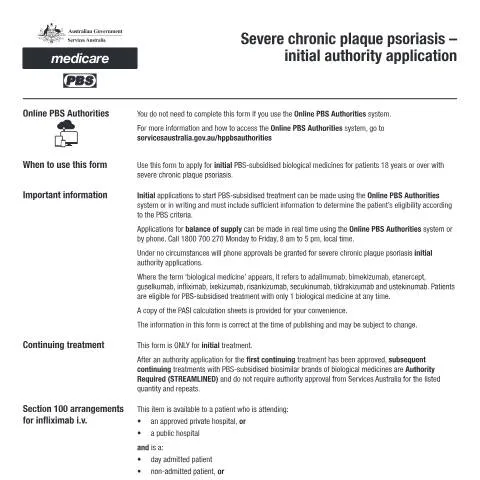
Understanding the Severe Chronic Plaque Psoriasis - Initial Authority Application Form (PB112)
For individuals grappling with severe chronic plaque psoriasis, navigating the healthcare system can often feel overwhelming. The Severe Chronic Plaque Psoriasis - Initial Authority Application Form (PB112) serves as a crucial tool for those seeking access to necessary treatments and medications covered under Australia’s public health system. This document is not just a form but a pivotal step in securing the support and care that can significantly improve the quality of life for affected individuals.
Who Should Consider Submitting the PB112?
The PB112 form is primarily intended for patients diagnosed with severe chronic plaque psoriasis, a condition characterized by the presence of thick, red patches covered with silvery scales. However, it’s important to note that the eligibility for this application is not universal and varies based on specific medical conditions and treatments.
Profiles of Potential Applicants
- Adults diagnosed with severe chronic plaque psoriasis: Typically, applicants should have a confirmed diagnosis from a qualified healthcare professional, such as a dermatologist.
- Patients who have previously employed other treatments: Individuals who may have tried standard therapies without significant improvement may qualify for this application.
- Children and adolescents: While the focus is often on adults, minors may also be eligible, subject to parental or guardian consent and medical advice.
The application process can also differ for individuals with co-existing health conditions, as this may affect the type of treatment prescribed and the urgency of the application.
Step-by-Step Journey: From Diagnosis to Submission
Completing the PB112 form is a systematic process involving several critical steps that range from diagnosis to the final submission of the application.
1. Obtaining a Diagnosis
The first step is to secure a medical diagnosis from a healthcare provider, which includes comprehensive assessments and potentially referrals to specialists.
2. Consult Your Healthcare Professional
It’s essential to discuss treatment options with your healthcare provider. They can advise you on the likelihood of approval based on your medical history and current condition.
3. Completing the Application Form
Gather the necessary information, including personal details, medical history, and treatment attempts, to fill out the PB112 accurately.
4. Submission Protocols
Once completed, the form must be submitted through the appropriate channels. Ensure that you follow guidelines provided by Services Australia to avoid delays.
The Regulatory Framework Behind the PB112 Form
The PB112 form operates within a broader legislative context aimed at ensuring fair access to healthcare for all Australians. The Administrative Decisions (Judicial Review) Act 1977 provides a framework for decision-making that ensures transparency and accountability in healthcare decisions.
This form specifically addresses the needs of those with severe psoriasis, signaling a recognition of the significant burden this condition poses and the need for specialized treatments that may not be available through standard medication protocols.
What Happens If Your Application Is Refused?
Receiving a refusal notification can be disheartening. However, it is essential to understand the avenues available for recourse should your application be unsuccessful.
Options Following a Refusal
- Request a Review: You have the right to request a review of the decision by submitting further evidence or clarification.
- Gather Additional Documentation: Sometimes, the refusal may be due to a lack of supporting documentation. Collecting more information and reapplying could improve your chances.
- Seek Assistance: Engage with health professionals or support groups that specialize in psoriasis to help navigate the appeals process.
Understanding the reasons for refusal can also provide valuable insight for future applications or appeals.
Preparing Supporting Documentation
To complement your PB112 form, you will need to prepare a series of documents that substantiate your application. This supporting documentation is critical as it bolsters your case for needing the requested treatment.
Essential Documents to Include
- Medical Reports: Detailed assessments from healthcare professionals, including test results and previous treatment records.
- Photographic Evidence: Before and after images may be beneficial to demonstrate the severity of the condition.
- Prescriptions and Treatment Plans: Documentation of previous treatments attempted and the outcomes of those interventions.
Each piece of documentation helps paint a complete picture of your condition, which is vital for the review process.
Understanding the Nuances: PB112 vs. Related Forms
Often, applicants might confuse the PB112 with other health-related forms. Understanding the specific purpose of each can prevent errors and streamline the application process.
| Form Code | Type of Application | Key Difference |
|---|---|---|
| PB112 | Initial Authority for Severe Chronic Plaque Psoriasis | Specifically for severe cases requiring broader treatment options. |
| PB123 | Standard Authority Application | Used for various medications not categorized under specific severe conditions. |
| PB126 | Continuation of Therapy | For those already on treatment who require an extension. |
This table highlights that while many forms exist, each serves a distinct purpose, and selecting the correct one is essential for the successful navigation of the healthcare system.
Timeline and What to Expect
Timing can be crucial when dealing with health applications. Understanding the expected timelines can help you manage your health and expectations effectively.
Timeline Overview
- Initial Consultation and Diagnosis: This may take a few weeks, depending on specialist availability.
- Completion of PB112: Allow adequate time to gather information and complete the form—typically a week is advisable.
- Submission and Review Period: After submission, the review process can vary; usually, you should expect feedback within a specified timeframe as outlined by Services Australia.
Being aware of these timelines helps in planning follow-up medical appointments and supports overall health management.
The Role of Services Australia in the Application Process
As the governing body overseeing health-related applications, Services Australia plays a central role in managing, reviewing, and approving applications like the PB112. Their guidelines and support resources are invaluable for applicants navigating the complexities of health services.
Utilizing the official resources offered by Services Australia, including online portals and contact centres, can provide additional clarity and support throughout the application journey.
Final Thoughts: Your Path Forward
Filling out the PB112 form may seem daunting, but it is a vital step toward gaining access to effective treatments for severe chronic plaque psoriasis. By understanding the form's context, preparing adequate documentation, and recognizing your rights, you empower yourself in your healthcare journey.
The road to effectively managing your condition often requires persistence, but with the right tools and information, you can navigate this process successfully.
Understanding the Initial Application Process for Severe Chronic Plaque Psoriasis
Applying for assistance with severe chronic plaque psoriasis can feel overwhelming, but knowing the specifics of the process can make it more manageable. The initial authority application form (PB112) is a crucial starting point for individuals seeking access to subsidised treatments under the Pharmaceutical Benefits Scheme (PBS). This application form is specifically tailored for those diagnosed with severe chronic plaque psoriasis, a condition that can significantly impact quality of life. It’s essential to gather all necessary documentation and understand the eligibility criteria before submitting your application.
When filling out the PB112 form, applicants must provide comprehensive details about their medical history and current treatment regimens. This includes evidence of previous therapies attempted, responses to these treatments, and any side effects encountered. The PBS guidelines stipulate that applicants must provide clinical evidence of their condition, which typically includes recent pathology reports, a letter from a specialist dermatologist, and a treatment plan. These documents must be current and clearly demonstrate the severity of the psoriasis and the need for treatment under the PBS.
Once the form is completed, it can be submitted in person at a local Services Australia office or sent directly to the PBS Review Unit. It’s advisable to keep copies of all submitted documents for your records. Be aware that applications can take several weeks to be processed. During this time, you may receive communications from the PBS Review Unit requesting additional information or clarification, so it is crucial to respond promptly to any inquiries to avoid delays in decision-making.
Navigating the Appeals Process for Denied Applications
Not all applications for the PB112 will be approved on the first attempt. If your application for PBS subsidised treatments for severe chronic plaque psoriasis is denied, it’s important to understand the appeals process available to you. An appeal can be made through the Administrative Appeals Tribunal (AAT), which provides a pathway for reconsideration of your case based on merits.
The first step in the appeals process is to carefully review the reasons for the denial provided by the PBS Review Unit. Understanding these reasons will help you gather the necessary documentation or evidence to address the concerns raised. Common reasons for denial may include insufficient clinical evidence, failure to meet specific PBS criteria, or lack of compliance with treatment protocols.
To initiate the appeal, you will need to complete the appropriate form, which can be accessed through the AAT's website. Along with the form, you should include any new evidence or documentation that supports your case. Submitting a comprehensive and well-documented appeal is crucial for improving your chances of a successful outcome. It may be beneficial to consult with a healthcare professional or a legal advisor who can assist in articulating your case more effectively.
The AAT will schedule a hearing, where you can present your case in detail. You may also bring witnesses, such as your treating physician, to provide additional support for your appeal. The AAT aims to make decisions based on the merits of the case and will notify you of their decision, typically within a few weeks. If the appeal is successful, you may be eligible for subsidised treatment as per PBS guidelines.
Ongoing Management and Treatment Options for Severe Chronic Plaque Psoriasis
Once approved for treatment under the PBS, it’s essential to have a well-structured management plan for severe chronic plaque psoriasis. This condition often requires a multifaceted approach combining medical, lifestyle, and psychological strategies. Regular consultations with a dermatologist are vital for monitoring treatment efficacy and adjusting care plans as needed. Treatment options vary widely, including topical therapies, systemic medications, and light therapy, among others. Each treatment option has its own benefits and potential side effects, so thorough discussions with your healthcare provider are crucial.
Patients should also be proactive in managing their condition through lifestyle modifications. These can include maintaining a healthy weight, adhering to a balanced diet, and avoiding known triggers such as stress and smoking. Psychological support, such as counselling or support groups, can also play an important role in managing the emotional toll of living with psoriasis. Many patients benefit from connecting with others who understand their experiences, which can provide both emotional relief and practical tips for handling daily challenges.
Additionally, ongoing education about psoriasis and available resources can empower patients to advocate for themselves effectively, ensuring they receive the best possible care. Websites dedicated to psoriasis, local support groups, and educational seminars can serve as valuable assets in this regard. As treatments evolve and new options become available, staying informed will help patients make educated choices about their health journey.