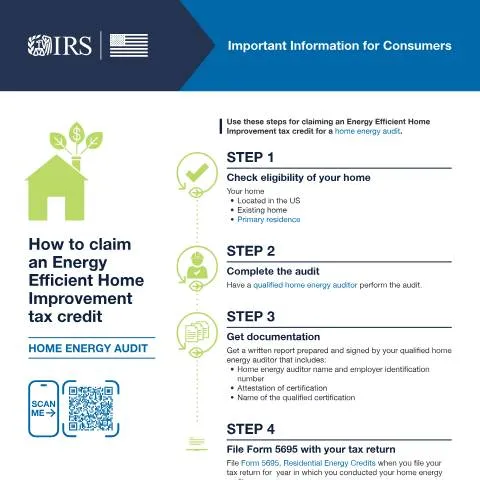
Navigating IRS Publication 5978: A Vital Resource for Homeowners
In the quest for a more energy-efficient home, many homeowners may find themselves seeking tax credits to lessen the financial burden of improvements. Among the important resources available, IRS Publication 5978 stands out, providing guidance on how to claim the Energy Efficient Home Improvement tax credit based on a home energy audit. Understanding this publication is not just a matter of filling out forms; it is about maximizing the benefits available to you as a homeowner. This article will meticulously outline the intricacies of Publication 5978, guiding you through its purpose, the steps necessary for compliance, and key details to ensure you maximize your credits.
Understanding the Purpose of IRS Publication 5978
Publication 5978 serves as a crucial document for homeowners looking to benefit from tax credits associated with energy-efficient upgrades. Specifically, it outlines the process for claiming these credits based on a formal home energy audit, emphasizing that only certain improvements qualify for tax relief. Homeowners must familiarize themselves with the eligibility criteria and the procedural steps necessary to capitalize on these credits, which can lead to substantial savings.
The Importance of Home Energy Audits
A home energy audit is a comprehensive evaluation of your home’s energy performance, helping identify areas where energy efficiency can be enhanced. The audit must be conducted by a qualified auditor, and the results will inform which improvements may qualify for tax credits. The audit encompasses several crucial elements:
- Evaluation of heating and cooling systems
- Insulation inspection
- Assessment of windows and doors
- Check for air leaks
Once the audit is complete, homeowners receive documentation, which is essential for filing claims accurately. This first step sets the foundation for navigating the credits available.
Eligibility Criteria: Who Qualifies?
Before diving into paperwork, it is vital to determine if you meet the eligibility criteria outlined in Publication 5978. The following conditions must be satisfied:
- Your home must be located in the United States.
- It should be an existing home, not a new construction.
- The home must serve as your primary residence.
These criteria are critical, as they ensure that only homeowners who meet specific standards can take advantage of the associated tax credits. Failure to meet these requirements could lead to a rejection of your claim, so be diligent in verifying your qualifications.
Diving Into the Application Process: Step by Step
Completing the application process requires careful attention to detail. IRS Publication 5978 lays out several steps which, when followed precisely, will facilitate a smoother experience. Here’s how to proceed:
- Check Eligibility: Confirm that your home meets the outlined criteria.
- Conduct the Audit: Hire a qualified home energy auditor to perform a detailed evaluation.
- Gather Documentation: Obtain a written report from the auditor that includes:
- Name and employer identification number of the auditor
- Certification attestation
- Name of the qualifying certification
- Prepare Your Tax Return: When filing your taxes, include Form 5695, Residential Energy Credits, alongside the relevant documentation from your energy audit.
- Submit On Time: Ensure your tax return, including Form 5695, is submitted by the IRS deadline, typically April 15.
By meticulously following these steps, you enhance your chances of a successful claim, minimizing the risk of delays or rejections.
Common Pitfalls: Avoiding Mistakes in Your Application
While the process may seem straightforward, there are several pitfalls that applicants commonly encounter. Awareness of these can help streamline your experience:
- Inadequate Documentation: Failing to provide complete auditor reports or missing signatures can jeopardize your claim.
- Incorrect Form Submission: Ensure you are filing Form 5695 specifically; using the wrong form will result in a rejection.
- Miscalculating Credits: Be precise when calculating the credits you are eligible for; errors can lead to financial discrepancies.
- Missing Deadlines: The IRS has strict deadlines for tax submissions; late submissions will not be accepted.
By keeping these pitfalls in mind, you can better prepare your application, reducing the likelihood of complications and ensuring a smoother process.
Different Submission Channels: Choosing the Right Method
IRS Publication 5978 also addresses the various channels through which you can submit your tax return and claim for credits. Understanding these options is essential, as each method has its own requirements and implications:
| Submission Method | Advantages | Disadvantages |
|---|---|---|
| Online Filing | Fast, direct, and immediate confirmation | Requires access to technology and internet |
| Paper Filing | Traditional method, suitable for individuals uncomfortable with technology | Longer processing times and potential for mailing delays |
| In-person Submission | Direct interaction with IRS representatives for immediate clarification | Possible long wait times and limited locations |
Choosing the right method for submission can impact how quickly your application is processed, so weigh the pros and cons of each channel based on your comfort and needs.
Following Up: Keeping Track of Your Application
After submitting your claim, it’s important to stay informed about its status. The IRS provides several ways to track your application, enabling you to ensure everything is proceeding as expected:
- Online Status Check: You can utilize the IRS online portal to check the status of your tax return.
- Contacting the IRS: If there are concerns or delays, calling the IRS can provide clarity and updates on your application.
Remember to have your taxpayer identification number and other relevant information handy when reaching out to the IRS, as this will help expedite the process and provide accurate updates.
Unique Situations: Navigating Complex Cases
Certain circumstances may complicate the tax credit application process. For instance, if you are a foreign national or an individual with a complex tax situation, you may face additional hurdles. Here are some considerations for unique profiles:
- Foreign Nationals: Ensure you are familiar with how IRS regulations apply to your specific situation, as you may need additional documentation or face different eligibility criteria.
- Minors and Dependents: If applying on behalf of a minor or dependent, be prepared to provide detailed verification of their status and your relationship to them.
- Emergency Situations: If you recently experienced a natural disaster or similar emergency, there may be special provisions or extensions available for claiming credits.
Research and preparation are essential for navigating these distinctive challenges, ensuring you do not miss out on valuable tax credits.
Final Insights: Maximizing Your Energy Improvement Tax Credit
IRS Publication 5978 is more than just a set of instructions; it is a pathway to substantial financial relief for homeowners eager to improve their property’s energy efficiency. Armed with the information presented in this article, you should feel empowered to tackle the application process confidently.
By understanding the intricacies of the publication, maintaining thorough documentation, and adhering to deadlines, you can ensure a successful claim that benefits not only your wallet but also the environment. Embrace the opportunity for energy efficiency and the accompanying tax credits as a step towards a more sustainable and cost-effective home.
Understanding IRS Publication 5978: Key Concepts and Definitions
IRS Publication 5978 serves as a vital resource for taxpayers, especially those involved in international activities. It provides clear guidelines and definitions regarding tax responsibilities and the implications of engaging in foreign transactions. One of the main objectives of this publication is to enhance taxpayers' understanding of how different factors, such as residency status and the types of income earned abroad, affect their tax obligations.
Key concepts outlined in Publication 5978 include:
- Foreign Tax Credit: Taxpayers can often reduce their U.S. tax liability by claiming a credit for taxes paid to foreign governments. This section details how to calculate this credit and the forms required, such as Form 1116.
- Tax Treaties: The U.S. has tax treaties with many countries to prevent dual taxation. Understanding these treaties is crucial for expatriates and those earning income overseas. This publication outlines how to navigate these treaties effectively.
- Residency Status: A taxpayer’s residency status significantly influences tax obligations. IRS Publication 5978 elaborates on determining residency, whether you are considered a resident alien or a non-resident alien, and how this impacts your tax filings.
By understanding these concepts, taxpayers can better navigate their tax responsibilities and avoid costly errors when filing their returns.
Filing Requirements and Deadlines for International Taxpayers
Filing requirements can vary significantly for international taxpayers compared to those residing solely within the United States. Publication 5978 outlines the critical deadlines and requirements that expats and citizens with foreign income must adhere to.
The standard deadline for filing federal income tax returns is typically April 15. However, taxpayers living abroad can take advantage of automatic extensions. Specifically, those residing outside the United States are granted a two-month extension, pushing the deadline to June 15. For those who need additional time, an extension can be requested, extending the deadline to October 15. It is essential to file Form 4868 for this purpose.
Furthermore, it is crucial for taxpayers with foreign financial accounts to be aware of the Foreign Bank Account Report (FBAR) requirements. Taxpayers must file FinCEN Form 114 if the aggregate value of foreign accounts exceeds $10,000 at any time during the calendar year. The FBAR is due on April 15, with an automatic extension available until October 15, aligning with the federal filing deadline.
Failure to meet these deadlines could result in penalties and interest charges on unpaid taxes, making it imperative for international taxpayers to stay vigilant regarding their filing requirements.
Implications of Non-Compliance: Penalties and Enforcement Actions
IRS Publication 5978 not only informs taxpayers of their rights and responsibilities but also highlights the severe implications of non-compliance with federal tax regulations. Taxpayers who fail to report foreign income, neglect to file necessary forms, or miss deadlines may face significant penalties.
The IRS enforces various penalties for non-compliance, which could include:
- Failure to File Penalty: This penalty is typically assessed at 5% of the unpaid tax per month, up to a maximum of 25% of the unpaid tax.
- Failure to Pay Penalty: Taxpayers may incur a penalty of 0.5% of the unpaid tax for each month the tax remains unpaid, also capped at 25%.
- FBAR Penalties: Non-filing of FBAR can lead to severe penalties ranging from $10,000 for non-willful violations to a penalty of up to 50% of the account balance for willful violations.
Additionally, the IRS has various enforcement actions at its disposal, including audits and even criminal investigations for severe cases of tax evasion. Taxpayers facing non-compliance issues are strongly advised to consult legal professionals specializing in tax law to navigate their situation effectively.
Maintaining clear records and staying informed about obligations under IRS Publication 5978 can help mitigate the risk of facing these penalties and provide peace of mind to international taxpayers.