Understanding IRS Publication 5976: An Essential Guide
In the landscape of U.S. tax regulations, specific forms and publications can often be the distinguishing factor between financial benefits and missed opportunities. IRS Publication 5976 is one such document, playing a crucial role in facilitating the process of claiming energy-efficient home improvement tax credits under the residential energy property expenditures. For homeowners and tax professionals alike, understanding the nuances of this document can lead to significant financial implications.
Who Needs IRS Publication 5976?
This publication specifically targets homeowners who have made investments in energy-efficient improvements to their primary residences. More importantly, it serves as a guiding document for those who want to claim credits for specific energy properties. If your home improvement project includes eligible upgrades, you must familiarize yourself with the details outlined in Publication 5976.
Eligibility Criteria for Claiming the Credit
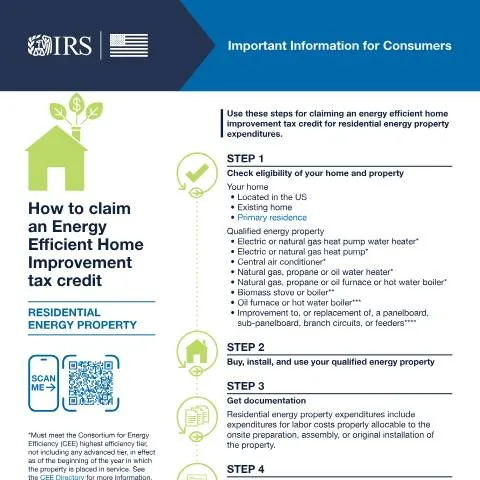
To leverage the benefits that come with IRS Publication 5976, you need to understand the eligibility criteria:
- Your Home: Must be located in the United States and must be an existing primary residence.
- Qualified Energy Property: This includes appliances such as electric or natural gas heat pump water heaters, central air conditioners, and biomass stoves, among others.
It’s crucial to ensure that the energy property meets the specific efficiency criteria set by the Consortium for Energy Efficiency (CEE) and any related regulations. Without meeting these standards, your claim might be denied, resulting in lost savings.
The Role of IRS Publication 5976 in the Tax Filing Process
Publication 5976 serves as an informative guide that outlines how to claim energy-efficient home improvement tax credits. Understanding where it fits within the broader tax filing process can help streamline your efforts and avoid complications.
Integration with Tax Returns
Essentially, when you undertake qualifying home improvements, you will need to file IRS Form 5695 along with your standard tax return (usually Form 1040). Here’s a step-by-step look at how to navigate this:
- Ensure your home and improvements meet the eligibility criteria.
- Purchase, install, and utilize the qualified energy property.
- Complete IRS Form 5695.
- Attach this form to your tax return when filing.
By following these steps closely, you can leverage the credits available to you effectively.
Timeline: Key Dates and Deadlines
Understanding the timeline surrounding IRS Publication 5976 is paramount for timely claims. The tax filing deadline typically falls on April 15 of each year, unless it falls on a weekend or holiday.
Filing Timeline
You should take note of the following key dates:
| Date | Event |
|---|---|
| January 1 | Eligible improvements can be commenced for the tax year. |
| April 15 | Standard deadline for filing your tax return along with Form 5695. |
| October 15 | Extended deadline if a tax extension has been filed. |
Keep an eye on these dates, as missing them can lead to complications in your tax filing process.
Special Cases and Exceptions: What to Know
While many homeowners can benefit from IRS Publication 5976, certain unique situations may affect your eligibility or the process of claiming credits. Let’s delve into these special cases.
Non-resident Aliens and First-time Homebuyers
If you are a non-resident alien, the rules can be different. Primarily, you should consult with a tax professional regarding your eligibility for tax credits, as the criteria may vary significantly.
Similarly, first-time homebuyers may have specific conditions that could affect their claims, especially if the property is newly constructed.
Complex Situations: Trusts and Estates
If you are dealing with trusts or estates, additional rules may apply. In such scenarios, it’s advisable to engage with a tax advisor who understands the nuances of both trust taxation and the implications of energy credits.
Where to Access and Submit IRS Publication 5976
Accessing IRS Publication 5976 is straightforward. It is readily available on the official IRS website, ensuring that individuals can easily obtain the information they need.
Submission Options: Paper, Online, and In-Person
When it comes to submitting your tax return along with Form 5695, you have several options:
- Paper Filing: Mail your completed forms to the IRS. Always ensure that you send them with a method that provides tracking for peace of mind.
- Online Filing: Most tax preparation software will guide you through the process and allow electronic filing, which is faster and often more convenient.
- In-Person: For those who prefer face-to-face support, many CPAs and tax filing services offer in-person assistance.
Each of these methods has its advantages, and your choice will depend on personal preference and specific circumstances.
Addressing Errors and Missing Documents
It is not uncommon to encounter errors or missing documentation when dealing with tax forms. Knowing how to address these issues proactively can save you a lot of trouble later.
Steps to Take if an Error Occurs
If you discover an error after filing, here are steps you should take:
- Assess the error: Determine if it affects your tax liability.
- File an amended tax return: Use IRS Form 1040-X to amend your return, ensuring you address the specifics of the error.
- Reattach Form 5695: Make sure to include the revised Form 5695 with your amended return.
Handling Missing Documents
If you realize that you’ve forgotten to include necessary documents or forms, it’s best to address this as soon as possible. You may need to file an amended return to correct any oversight. Keeping thorough records of your improvements and expenditures can greatly aid in this process. Here are some tips:
- Keep receipts and invoices for all qualified expenditures.
- Document dates of installation and any pertinent communications with your contractors.
- Utilize a notebook or digital file to log all the details related to your energy improvements.
Final Thoughts on Leveraging IRS Publication 5976
Being informed about IRS Publication 5976 is essential for anyone looking to claim benefits from energy-efficient home improvements. From understanding eligibility and timelines to knowing how to address errors, this publication can significantly influence your financial well-being. Engage with tax professionals if you find yourself in doubt, and ensure meticulous preparation to maximize your claims successfully.