Navigating the Path to Clean Energy Tax Credits: Understanding IRS Publication 5977
The transition toward renewable energy sources isn't just a global imperative; it also has tangible benefits for individual homeowners in the United States. IRS Publication 5977 serves as a vital roadmap for those looking to claim Residential Clean Energy tax credits. By delving into this publication, taxpayers can unearth the benefits available to them, especially as they invest in energy-efficient improvements to their properties.
Understanding the Essentials: Who Needs to File?
Homeowners who have made investments in qualifying residential clean energy technologies are the primary audience for IRS Publication 5977. This includes individuals who own their homes and have made improvements during the tax year. But eligibility isn't limited to just anyone; specific conditions must be met to benefit from these tax credits.
The Qualification Criteria for Homeowners
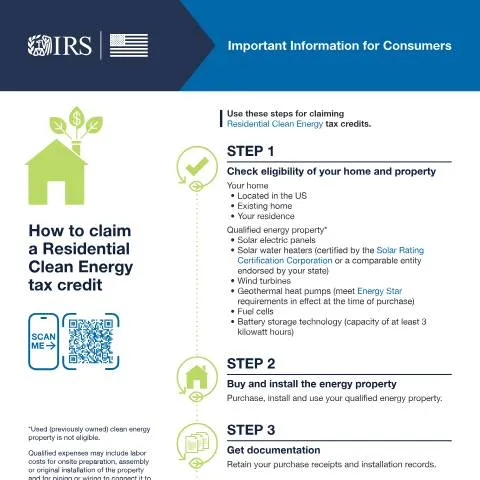
- Location: The property must be located within the United States.
- Property Type: Only existing homes qualify; new constructions typically do not.
- Ownership: The taxpayer must occupy the residence where the improvements were made.
Eligible Energy Properties: A Closer Look
Publication 5977 clearly delineates which types of energy properties qualify for the tax credits. Here’s a breakdown of the eligible technologies:
| Energy Technology | Specific Requirements |
|---|---|
| Solar Electric Panels | Must be installed on a primary or secondary residence. |
| Solar Water Heaters | Must be certified by the Solar Rating Certification Corporation or a comparable entity. |
| Wind Turbines | Must be designed to generate electricity for residential use. |
| Geothermal Heat Pumps | Must meet Energy Star requirements at the time of purchase. |
| Fuel Cells | Must meet specific efficiency requirements. |
| Battery Storage Technology | Capacity of at least 3 kilowatt hours is required. |
It’s important to note that previously owned clean energy properties do not qualify. Homeowners should keep thorough documentation of all purchases and installations to substantiate their claims.
Completing the Process: Filing Form 5695
Claiming the residential clean energy tax credits isn’t a mere matter of checking a box on your tax return. Homeowners must complete and file Form 5695 along with their annual tax return. Understanding the nuances of this form is crucial for avoiding mistakes that could delay or invalidate your claim.
Step-by-Step: Filling Out Form 5695
- Gather Documentation: Before you even sit down to fill out the form, collect all relevant receipts and installation records.
- Complete the Form: Start by entering your personal information, including your Social Security Number (SSN). Ensure accuracy throughout the form to prevent processing errors.
- Calculate Your Credit: Following the instructions closely, calculate the total amount of your eligible expenses and determine the credit amount.
- Attach Required Documentation: Include any necessary documentation to support your claim, particularly for high-value energy improvements.
- File with Your Tax Return: Submit Form 5695 along with your Form 1040 by the annual tax deadline, typically April 15.
Submitting Your Claim: Options and Best Practices
When it comes to submitting Form 5695, homeowners have multiple options. Understanding the differences between these can impact the speed and efficiency of your filing process.
Exploring Submission Channels
- Online Filing: Using approved tax software can streamline the process. Many platforms are equipped to guide you through the intricacies of Form 5695.
- Paper Filing: If you choose to file by mail, ensure your Form 5695 is printed clearly and sent to the correct IRS address. Keep copies of everything for your records.
- In-Person Filing: While less common, taxpayers can also submit forms in person at designated IRS offices. This may provide immediate validation of your submission.
Facing Challenges: Errors, Omissions, and Next Steps
Even the most seasoned taxpayers can run into issues when filing their claims. Understanding what to do if your submission is rejected or contains errors is critical.
Addressing Common Issues
In the event of a rejection or a request for additional information from the IRS, take the following steps:
- Review Your Submission: Carefully examine your Form 5695 for any errors or incomplete sections.
- Respond Promptly: If the IRS requests more information, respond within the specified time frame to avoid penalties.
- Consult IRS Resources: The IRS website contains valuable resources and guides that can help clarify specific requirements or procedures.
Unique Considerations: Special Circumstances
Not all homeowners fit neatly into the standard categories outlined in Publication 5977. Understanding the nuances for special circumstances can help avoid pitfalls in the claims process.
Scenarios Requiring Special Attention
- Foreign Homeowners: If you're a non-resident alien, different filing requirements may apply. Consult IRS guidelines for non-residents.
- Minors or Dependents: If a minor owns a home in their name, guardians may need to file on their behalf.
- Complex Installations: For homeowners who have invested in multiple types of energy properties, accurate record-keeping and detailed documentation become even more crucial.
- Urgent Situations: If deadlines are approaching, don't hesitate to reach out directly to the IRS for clarification on filing requirements or procedures.
After the Submission: What Comes Next?
Once you’ve submitted your claim for the Residential Clean Energy tax credit, it’s natural to wonder about the next steps. Here’s how to stay informed and ensure your claim’s success.
Monitoring Your Claim Status
The IRS provides methods for tracking the status of your tax return, including any associated credits. Typically, you can check your status online through the IRS “Where’s My Refund?” tool, which provides updates on processing times and any issues encountered.
Keeping Records
Maintain organized records of all correspondence with the IRS, receipts, and documentation related to your energy improvements. This can prove invaluable for any future inquiries or if you face an audit.
Final Thoughts: The Long-Term Benefits of Clean Energy Investments
Claiming the Residential Clean Energy tax credits can seem daunting, but with careful attention to detail and a clear understanding of IRS Publication 5977, homeowners can reap significant financial benefits. Not only does this publication help navigate the bureaucratic hurdles, but it ultimately contributes to the larger goal of promoting sustainable living practices across the United States.
Understanding IRS Publication 5977: Key Definitions and Terminology
IRS Publication 5977 serves as a crucial resource for taxpayers navigating the complexities of income tax regulations pertinent to international situations. Understanding the definitions and terminology used in this publication can significantly enhance one's comprehension of tax obligations and rights. Notably, terms like "foreign income," "tax treaty," and "withholding" are foundational to grasping the context in which they are employed.
Foreign income refers to earnings sourced from outside of the United States, which can include wages, dividends, and interest. Taxpayers must understand that such income may still be subject to U.S. taxation, depending on the specifics of the income and applicable tax treaties.
Tax treaties are agreements between the U.S. and other countries designed to prevent double taxation on income. These treaties can often provide beneficial provisions that may reduce tax rates or exempt certain types of income from taxation altogether. It is essential to reference the specific treaty between the U.S. and the foreign country of income source to ensure compliance and optimize tax benefits.
Withholding refers to the amount of income tax that is deducted from an individual’s earnings before they receive their paycheck. This is particularly relevant for those who receive income from foreign entities. Understanding the withholding rates stipulated in IRS Publication 5977 can aid taxpayers in calculating their expected tax liability and ensuring they are not under-withheld to avoid penalties during tax season.
Navigating International Tax Compliance: Best Practices
International tax compliance can seem daunting, but there are established best practices that taxpayers can employ to streamline the process. First and foremost, keeping meticulous records is paramount. This includes maintaining detailed documentation of all sources of income, relevant expenses, and any foreign tax credits claimed. This documentation will prove invaluable during tax preparation and potential audits.
It is also advisable to stay informed about the latest updates to IRS regulations and guidelines, as these can frequently change. Subscribers to the IRS’s email updates or those who regularly visit the official IRS website will be better equipped to anticipate changes that could affect their tax obligations.
Consulting with a tax professional who specializes in international tax law can provide additional guidance tailored to individual circumstances. Such professionals can help navigate the intricacies of Publication 5977, ensuring all necessary forms are filled out correctly and submitted on time. This is particularly important for those who may need to file additional forms, such as Form 1116 for foreign tax credits or Form 8938 for specified foreign financial assets.
Lastly, utilizing tax software designed for international taxation can simplify the filing process by automatically computing foreign income and applicable credits based on user input.
Common Pitfalls and Misunderstandings in Filing IRS Publication 5977
While IRS Publication 5977 is a valuable tool for taxpayers, there are common pitfalls and misunderstandings that frequently occur. One prevalent issue is the misinterpretation of the residency status for tax purposes. Many individuals assume that spending a significant amount of time in a foreign country exempts them from U.S. taxation, but this is not necessarily the case. The IRS utilizes a "substantial presence test" to determine if an individual qualifies as a resident for tax purposes, which can lead to unexpected tax liabilities.
Another common misunderstanding revolves around the treatment of foreign pensions and retirement accounts. Taxpayers often believe that these funds are entirely exempt from U.S. taxation due to their source being outside the U.S. However, specific rules apply, and it may be necessary to report these funds or pay taxes on distributions received.
Taxpayers frequently overlook deadlines associated with international tax forms, leading to penalties and interest on unpaid taxes. It is critical to note that while the standard tax filing deadline is April 15, taxpayers living abroad may qualify for an automatic extension until June 15, but they must also pay any taxes owed by April 15 to avoid penalties. Further extensions can be requested, but they require specific documentation and approval from the IRS.
Lastly, failing to utilize available tax credits can leave money on the table. Many taxpayers miss opportunities to claim the Foreign Earned Income Exclusion (FEIE) or the Foreign Tax Credit, which can significantly reduce their tax burdens. Familiarizing oneself with the criteria and filing requirements for these credits is essential to fully benefit from the provisions outlined in IRS Publication 5977.