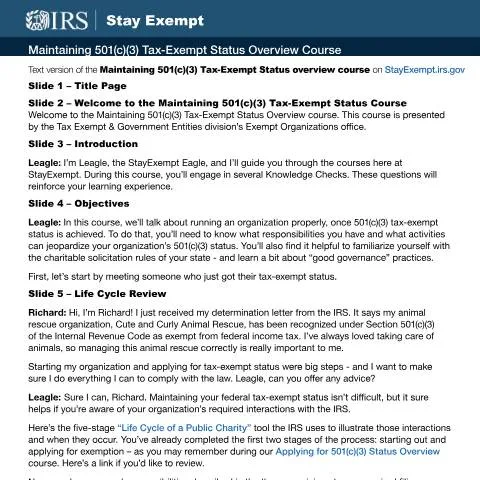
Navigating the Intricacies of IRS Publication 5551
When organizations achieve tax-exempt status under section 501(c)(3) of the Internal Revenue Code, they step into a realm filled with responsibilities and ongoing compliance obligations. IRS Publication 5551 serves as a vital guide for these organizations, elucidating the intricacies of maintaining their tax-exempt status. Understanding this document is essential for non-profit organizations that wish to navigate the complexities of compliance with federal tax laws.
Understanding the Profile: Who Needs IRS Publication 5551?
Individuals and organizations seeking to maintain their 501(c)(3) status must familiarize themselves with IRS Publication 5551. This publication is particularly pertinent for:
- Newly established non-profit organizations looking to solidify their tax-exempt status.
- Existing 501(c)(3) organizations aiming to stay compliant with IRS regulations.
- Board members and officers of non-profit organizations responsible for governance and compliance oversight.
In addition, specific circumstances may warrant additional attention:
- Organizations engaging in fundraising must understand the implications of state charitable solicitation laws.
- Any organization considering significant changes in operations, such as mergers or restructuring, should consult Publication 5551.
Publication 5551: The Backbone of Compliance
IRS Publication 5551 serves as a cornerstone document, outlining the necessary steps for maintaining tax-exempt status. This publication covers the following key areas:
- Required filings, including annual returns.
- Guidelines for maintaining compliance with operational standards.
- Understanding activities that could jeopardize tax-exempt status.
By adhering to the guidance provided in Publication 5551, organizations can better navigate the complex landscape of federal tax obligations. Failure to comply can lead to loss of tax-exempt status, which can have significant financial repercussions.
Required Filings and Their Importance
Keeping track of required filings is crucial for maintaining a 501(c)(3) status. Organizations are generally required to file:
- Form 990: An annual return providing a comprehensive overview of an organization’s finances, governance, and activities.
- Form 990-EZ: A streamlined version for smaller organizations.
- Form 990-N: A simplified e-filing for small organizations with gross receipts under $50,000.
These forms must be filed by the 15th day of the 5th month after the close of the organization’s fiscal year, usually around May 15 if the fiscal year aligns with the calendar year.
Recordkeeping: The Foundation of Compliance
Effective recordkeeping is the bedrock of compliance for any non-profit organization. Organizations must maintain accurate and complete records concerning:
- Financial transactions and accounting information.
- Meeting minutes and decisions made by the board of directors.
- Donor information and fundraising activities.
Maintaining these records not only aids in compliance but also serves as essential documentation in the event of an IRS audit or inquiry.
Understanding the Historical Context of IRS Publication 5551
The origins of IRS Publication 5551 lie in the IRS's role in overseeing tax-exempt organizations, which has evolved significantly over the past decades. The IRS created this publication to provide clarity on the responsibilities and obligations of non-profits, particularly as the landscape of charitable giving has changed dramatically.
Historically, the establishment of the IRS and subsequent tax code revisions has led to stricter compliance requirements, in an effort to ensure that organizations operate within the scope of their exempt purposes. For instance, the increase in scrutiny regarding unrelated business income has necessitated clear guidelines, which are articulated in Publication 5551.
Key Calendars: Deadlines and Important Dates
Compliance with IRS regulations hinges on understanding critical deadlines. Organizations must be vigilant about their fiscal year end dates, as this dictates when certain forms and reports are due:
| Form | Filing Deadline | Notes |
|---|---|---|
| Form 990 | 15th day of the 5th month after fiscal year end | Extension possible with Form 8868 |
| Form 990-EZ | 15th day of the 5th month after fiscal year end | Extension possible with Form 8868 |
| Form 990-N | 15th day of the 5th month after fiscal year end | No extension available |
Missing these deadlines can result in penalties, loss of tax-exempt status, and other repercussions that could hinder the organization’s ability to fulfill its mission.
Responding to Compliance Challenges: Errors and Missing Documentation
Encountering challenges during the compliance process is not uncommon. Organizations may face issues such as:
- Missing deadlines for required filings.
- Errors in submitted forms, leading to potential audits.
- Inadequate recordkeeping that fails to document exempt activities.
In the event of a missed deadline, organizations can apply for an automatic extension using Form 8868. However, it is essential to address any compliance issues quickly. If an organization receives a notice from the IRS about missing documents or confusion over submitted forms, immediate action is crucial:
- Gather all relevant documentation related to the submission.
- Contact the IRS directly to clarify the issue and seek guidance.
- Respond promptly with any requested information to rectify the situation.
Looking Ahead: Future Considerations for Compliance
The landscape for non-profit organizations is ever-evolving, with changes in tax law and compliance requirements regularly surfacing. Organizations must stay informed about potential changes that could impact their tax-exempt status. Resources available through the IRS, as well as industry associations, are invaluable for keeping abreast of developments and ensuring ongoing compliance.
Additionally, organizations should consider regular training and updates for board members and staff. This ensures everyone is well-versed in the rules and expectations surrounding tax-exempt status.
Final Thoughts on IRS Publication 5551
IRS Publication 5551 is more than just a document; it is an essential resource that empowers organizations to maintain their tax-exempt status effectively. By understanding its guidance, organizations can navigate the complexities of compliance, ensuring their operations remain aligned with federal regulations and their mission. Staying informed, proactive, and compliant empowers non-profits to thrive and fulfill their charitable objectives, ultimately benefiting the communities they serve.