Diving Deep into IRS Publication 5510: An Essential Resource for Corporations
When navigating the complex landscape of U.S. corporate taxation, especially concerning foreign income, IRS Publication 5510 emerges as a crucial document. This publication, while sometimes overshadowed by more commonly known forms and documents, plays a pivotal role in the broader context of corporate tax credits and international financial obligations. Understanding its intricacies can make a significant difference for corporations seeking to optimize their tax positions.
Unraveling the Core Purpose of Publication 5510
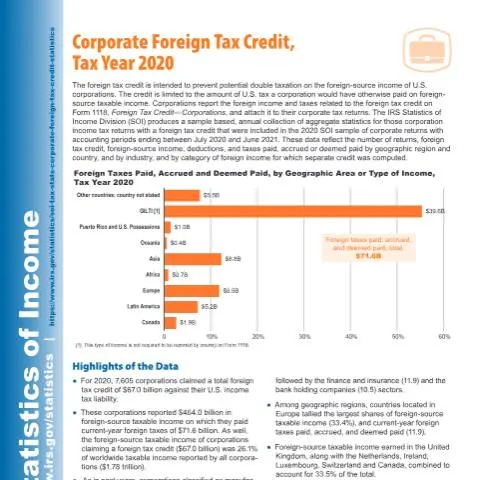
At its essence, IRS Publication 5510 provides comprehensive statistics and insights regarding the foreign tax credit available to U.S. corporations. This critical piece of legislation seeks to alleviate the double taxation burden on income earned abroad, a concern that is particularly relevant for businesses operating on a global scale.
Publication 5510 is distinct from other IRS forms and publications because it does not require direct submission by taxpayers; rather, it is a collection of data and analyses derived from submitted corporate tax returns, specifically focusing on those claiming the foreign tax credit. Here are some key areas where it stands out:
- Data Insights: Unlike forms that corporations fill out and submit, Publication 5510 aggregates data to spotlight trends and statistics regarding foreign tax credits.
- Yearly Statistics: This document is updated annually, providing valuable historical context and trends for corporations to assess their standing against their peers.
- Sector-Specific Analysis: Publication 5510 categorizes data by industry, allowing corporations to benchmark their tax credit claims against similar entities.
A Historical Perspective: The Evolution of Foreign Tax Credits
The foundation of IRS Publication 5510 lies in the U.S. government's commitment to ensure fair taxation for its corporations engaged in international commerce. The introduction of the foreign tax credit aims to prevent the burdensome scenario where U.S. corporations are taxed on the same income by both the U.S. and foreign governments. Over the decades, changes in tax policy and international trade dynamics have influenced the structure and availability of these credits.
Historically, the foreign tax credit has undergone various revisions to adapt to changes in international tax treaties, the rise of global commerce, and shifts in domestic policy. The IRS, in publishing data related to these credits, not only informs stakeholders but also encourages compliance and transparency among corporations. Notably, the tax year data presented in the publication often reflect broader economic trends, particularly in times of crisis such as the COVID-19 pandemic.
Navigating the Maze: How Publication 5510 Fits into Corporate Taxation
Understanding IRS Publication 5510 requires an awareness of the chain of documentation involved in claiming the foreign tax credit. The crux of the foreign tax credit process is Form 1118, which corporations use to report their foreign income and the taxes paid to foreign governments. Here’s how Publication 5510 fits into this process:
- Submission of Form 1118: Corporations report their foreign income and taxes related to the foreign tax credit on this form, which is then attached to their corporate tax returns.
- Data Collection: The IRS collects this data as part of its Statistics of Income (SOI) program, focusing on returns that claim the foreign tax credit.
- Publication of Statistics: Using the collected data, the IRS publishes Publication 5510, which aggregates key statistics that serve as a resource for corporations, policymakers, and tax analysts.
This flow highlights the interconnectivity between actual submissions of tax documents and the subsequent analytical reporting that aids understanding and compliance for corporations.
Addressing Challenges: What to Do When Errors Arise
The intricate nature of taxation often leads to discrepancies, whether in the filling out of Form 1118 or the interpretation of tax credits. Organizations should be aware of the potential hurdles they might face when dealing with Publication 5510's implications:
- Error in Submission: If an error occurs on Form 1118, it can lead to incorrect calculation or denial of the foreign tax credit. The corporation must amend their tax return (Form 1040-X) to rectify any discrepancies.
- Denial of Credit: If the IRS denies the foreign tax credit, the corporation can appeal the decision. It is critical to maintain thorough documentation that supports the claim for the foreign taxes paid.
- Missing Components: In the case where documentation is incomplete, corporations must promptly gather the necessary records (such as tax payments to foreign governments) to support their claims.
Being proactive and well-organized can mitigate the impact of these errors, as corporations can demonstrate compliance and intent to follow the regulations properly.
Who Benefits from Understanding Publication 5510?
While IRS Publication 5510 primarily addresses corporations, its implications extend to various stakeholders within the financial and economic landscape. Understanding who benefits from this document is essential in grasping its broader impact:
- CFOs and Tax Managers: These professionals leverage the data provided in Publication 5510 to inform strategic decisions regarding international investments and tax planning.
- Policy Makers: Government officials and tax policy analysts utilize this data to assess the effectiveness of tax incentives and make recommendations for potential reforms.
- Investors and Analysts: Investors may analyze the foreign tax credit data to better understand the competitive landscape and profitability of corporations in international markets.
Providing insights into the varying impacts of foreign taxation, Publication 5510 serves as a critical resource for anyone involved in U.S. corporate taxation and international finance.
Structuring Your Approach: Best Practices for Utilizing IRS Publication 5510
To maximize the benefits of IRS Publication 5510, corporations should adopt a structured approach in analyzing and applying the information it provides. Here are some best practices for effectively utilizing this publication:
- Regular Review: Periodically reviewing the latest publication ensures that corporations remain informed about the most recent statistics and trends affecting their foreign tax credits.
- Benchmarking: Use the publication to benchmark against industry peers, helping to identify areas for improvement or optimization in tax strategies.
- Engagement with Tax Advisors: Collaborating with tax professionals who understand the nuances of U.S. international tax law can help corporations navigate complex situations arising from data in the publication.
Establishing a proactive framework to leverage the insights from IRS Publication 5510 can lead to improved tax strategies and enhanced financial outcomes for corporations engaged in international operations.
Looking Ahead: Future Trends and Implications
As the global economy continues to evolve, so too will the conditions and requirements surrounding foreign tax credits. IRS Publication 5510 is likely to reflect these changes in its data and analyses. Several trends are worth monitoring:
- Increased International Cooperation: Ongoing discussions among nations regarding tax reforms, such as base erosion and profit shifting (BEPS), may alter how foreign taxes are reported and credited.
- Technology Integration: The IRS may enhance its data collection methodologies through advancements in technology, leading to more precise and comprehensive statistics in future publications.
- Economic Shifts: Global economic fluctuations and events, such as pandemics or trade wars, can significantly impact foreign tax revenues and the eligibility for foreign tax credits.
Awareness of these potential future changes can help corporations adapt their strategies and remain compliant with evolving tax regulations.
Understanding IRS Publication P5510: Key Components and Their Importance
IRS Publication P5510 provides essential information related to tax policies, regulations, and procedural guidance for taxpayers. This document specializes in explaining various aspects of tax compliance, ensuring taxpayers are well-informed about their rights and responsibilities. One of the primary focuses of Publication P5510 is to help taxpayers navigate the complexities of tax law, especially concerning deductions, credits, and filing requirements.
Among the critical components of this publication are detailed explanations of different tax forms, such as Form 1040, which is the individual income tax return, and associated schedules. Each section in P5510 outlines specific eligibility criteria, deadlines, and the types of income that must be reported. Understanding these elements is crucial for accurate tax filing and minimizing the risk of errors that could lead to audits or penalties.
Moreover, the publication also highlights common deductions and credits available to taxpayers, ensuring that they maximize their potential tax savings. For instance, it discusses items like the Earned Income Tax Credit (EITC) and the Child Tax Credit, explaining qualifying criteria and how to claim them effectively. Being aware of these opportunities can significantly impact an individual's tax liability and overall financial health.
Navigating IRS Publication P5510 for Specific Tax Situations
Taxpayers encounter various scenarios throughout their financial lives that may require a deeper understanding of IRS Publication P5510. Several examples include self-employment income, investment income, and international tax obligations, each of which is addressed comprehensively within the publication. Each situation carries its own set of rules and regulations that can significantly affect tax obligations.
For instance, self-employed individuals must familiarize themselves with additional forms, such as Schedule C (Form 1040), which reports profit or loss from business operations. P5510 guides users on calculating net earnings and provides insights into applicable deductions, like business expenses that can lower taxable income.
In cases of investment income, the publication discusses the taxation of capital gains and dividends, including distinctions between short-term and long-term capital gains. Taxpayers need to understand the tax implications of these income types, as they are subject to different rates. This section of P5510 is vital for anyone involved in stock trading, real estate investing, or other financial activities generating investment income.
Furthermore, for U.S. citizens living abroad, IRS Publication P5510 covers the specifics of international tax obligations, including the Foreign Earned Income Exclusion (FEIE) and foreign tax credits. Understanding these provisions is critical to ensure compliance with both U.S. tax laws and those of the foreign country in which the individual resides.
Practical Tips for Utilizing IRS Publication P5510
Effectively utilizing IRS Publication P5510 can streamline the tax filing process and enhance overall tax compliance. Here are some practical tips for taxpayers seeking to leverage this publication:
- Review Regularly: Tax laws frequently change, so it is essential to review the most recent version of Publication P5510 each tax year. The IRS updates the document to reflect changes in tax law, so staying informed can help you avoid potential pitfalls in your tax filings.
- Take Notes on Relevant Sections: As you read through the publication, take notes on sections that pertain to your specific situation. This practice can help you focus on the information that matters most, reducing the time spent sifting through less pertinent data.
- Seek Clarification When Needed: If you encounter sections that are unclear or complex, consider reaching out to a tax professional. Understanding tax laws can be challenging, and professional guidance can provide clarity on how to apply the information found in P5510 to your individual circumstances.
- Utilize IRS Resources: In addition to Publication P5510, the IRS provides a wealth of resources online. Exploring .gov domains can lead to forms, instructional videos, and other publications that might further assist you in understanding your tax obligations.
By applying these tips, taxpayers can better navigate the complexities of tax compliance, ensuring that they make informed decisions regarding their tax situation based on the guidance provided in IRS Publication P5510.