Navigating the Intricacies of IRS Publication 5534B
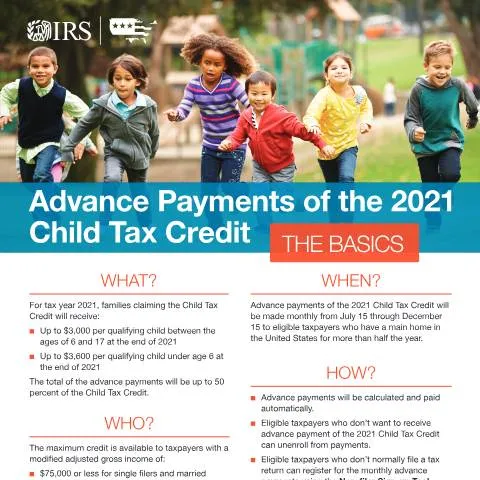
IRS Publication 5534B serves as a pivotal guide for taxpayers, specifically focusing on the Advance Payments of the 2021 Child Tax Credit. This publication outlines essential details that can significantly influence a family's financial situation, especially when planning for future tax returns. Understanding nuances within this document is crucial to leveraging available tax benefits effectively.
Distinguishing IRS Publication 5534B from Similar Documents
Given the multitude of tax-related publications issued by the IRS, it can be easy to confuse IRS Publication 5534B with others that cover related topics. This publication specifically addresses advance payments related to the Child Tax Credit, distinguishing it from other tax forms and publications regarding general child tax credits, filing requirements, and other credits.
- Child Tax Credit Overview: While many IRS documents discuss the general structure of the Child Tax Credit, Publication 5534B focuses solely on advance payments, which were a temporary measure for the 2021 tax year.
- Eligibility Requirements: Other documents may not specify income thresholds or family dynamics affecting eligibility for advance payments, which this publication does in detail.
- Payment Structure: Unlike standard publications that outline yearly tax obligations, 5534B specifically breaks down how advance payments function over a defined period from July 15 through December 15, 2021.
Identifying Eligible Taxpayers: A Deep Dive
Eligibility for the advance payments outlined in Publication 5534B isn’t universal. It takes into account various taxpayer profiles. Understanding these classifications is vital for families seeking to benefit from this tax incentive.
Income Thresholds
| Filing Status | Maximum Modified Adjusted Gross Income (MAGI) |
|---|---|
| Single Filers/Married Filing Separately | $75,000 or less |
| Heads of Household | $112,500 or less |
| Married Filing Jointly/Widows and Widowers | $150,000 or less |
These thresholds directly influence the credit amount available to households, and understanding them can lead to better financial planning.
Special Cases and Exceptions
Taxpayers in unique situations—such as non-traditional family structures, blended families, or those with children who do not reside with them full-time—should pay special attention to the rules detailed in the publication. For instance:
- Non-custodial parents: May qualify for the Child Tax Credit if they meet specific conditions and if the custodial parent agrees.
- Children living abroad: For taxpayers with children living outside the U.S., additional rules apply that could affect eligibility.
Decoding the Form: Key Sections of Publication 5534B
While IRS Publication 5534B does not serve as a form in itself, it contains vital instructions and information that align with the broader Child Tax Credit filing process. Each section of the publication warrants a thorough examination.
Understanding Advance Payment Calculations
The publication indicates that the advance payments will constitute up to 50% of the allowable Child Tax Credit for the tax year in question. Here's a breakdown:
- For qualifying children aged 6 to 17, the payment can be up to $3,000.
- For qualifying children under the age of 6, the amount is potentially as high as $3,600.
This significant differentiation underscores the importance of accurate age representation on tax filings to ensure families receive the full benefits they are entitled to.
Potential Pitfalls in Filling Out Tax Returns
One common challenge faced by taxpayers revolves around accurately reporting their children’s ages and the corresponding number of dependents. If these figures are incorrectly stated, families could miss out on substantial tax credits. Here are tips to avoid errors:
- Age Verification: Ensure that the ages of children are current and reflect the status as of December 31, 2021, as this is the cutoff for eligibility in this tax year.
- Dependent Status: Confirm that each child listed as a dependent meets IRS criteria, including residency and relationship tests.
Necessary Documentation for a Smooth Filing Process
Preparation is key when filing taxes, especially when it involves the nuances of advance payments as outlined in Publication 5534B. Taxpayers should compile relevant documentation to streamline the filing process.
Essential Documents to Collect
Make sure to have the following on hand:
- Social Security Numbers: For all qualifying children and the taxpayer must be recorded correctly.
- Proof of Income: Recent pay stubs or W-2 forms to confirm eligibility based on income thresholds.
- Tax Returns: Previous tax documents may be necessary to establish prior claims for child credits.
Exploring Filing and Submission Channels
Publication 5534B also emphasizes how and where to submit tax filings related to the Child Tax Credit. Choosing the correct channel is crucial for timely processing and payment of credits.
Filing Options: Online vs. Paper
Taxpayers have multiple options when it comes to submitting their tax documents:
| Channel | Advantages | Disadvantages |
|---|---|---|
| Online Filing | Quick processing; immediate confirmation of receipt; | Potential technical issues; reliance on internet connectivity. |
| Paper Filing | Traditional process; allows for manual checks; | Longer processing times; risk of mail delays. |
Choosing the appropriate method based on personal circumstances and preferences can make a significant impact on the overall experience.
Final Steps: Understanding the Outcome of Your Filing
Taxpayers should be prepared for the aftermath of their submission, which may include receiving advance payments. Understanding the timeline and what to expect can alleviate anxiety regarding the process.
Payment Schedule for Advance Payments
For qualified families, advance payments are scheduled to be delivered monthly from July 15, 2021, through December 15, 2021. This timeline is critical as it allows families to budget accordingly:
- Payments are deposited directly into the taxpayer's bank account if direct deposit information has been provided.
- Families should monitor their accounts for these payments and maintain records in case of discrepancies.
Adapting to Changes: Future Considerations
Taxpayers should be aware that the provisions mentioned in IRS Publication 5534B pertain specifically to the 2021 tax year. Future changes in legislation may affect the Child Tax Credit, requiring families to stay informed about updates from the IRS.
Keeping abreast of these changes can ensure families continue to receive maximum benefits in the upcoming tax years. Taxpayers who have questions or require clarification are encouraged to visit the official IRS website, where updated publications and information are regularly posted.
Understanding IRS Publication 5534B: Tax Implications for Foreign Earned Income
IRS Publication 5534B primarily focuses on the tax implications for individuals earning income abroad. It elaborates on the Foreign Earned Income Exclusion (FEIE), which allows qualifying U.S. citizens and resident aliens to exclude a portion of their foreign earnings from U.S. federal income tax. To qualify for the FEIE, taxpayers must meet certain criteria, including the physical presence test or the bona fide residence test.
The physical presence test requires individuals to be outside the U.S. for 330 full days during a consecutive 12-month period. Alternatively, the bona fide residence test applies to individuals who are residents of a foreign country for an entire tax year. This eligibility can significantly impact tax obligations, allowing expatriates to minimize their taxable income.
Taxpayers claiming the FEIE must file Form 2555, which accompanies their Form 1040 during tax filing. It's crucial to keep meticulous records of the days spent abroad and the nature of the income earned to substantiate claims in the event of an IRS audit. Furthermore, individuals should be aware of the tax treaties between the U.S. and various countries, which may affect their tax liabilities. Engaging a tax professional familiar with international tax laws can provide personalized guidance.
Reporting Requirements and Obligations for U.S. Citizens Overseas
U.S. citizens and resident aliens living abroad have unique reporting requirements that extend beyond merely filing their annual tax returns. Apart from IRS Form 1040 and any relevant forms for credits and exclusions, they are required to report foreign bank accounts and other assets under the Foreign Account Tax Compliance Act (FATCA).
The FBAR (Foreign Bank Account Report), filed electronically via FinCEN Form 114, is a mandatory report for U.S. individuals who have foreign bank accounts exceeding $10,000 in total value at any point during the calendar year. Failure to file can result in severe penalties, ranging from fines to criminal charges in extreme cases. It's equally important for expats to familiarize themselves with the IRS's FATCA requirements, which mandate reporting foreign financial assets on Form 8938 if they exceed certain thresholds based on filing status.
Understanding tax treaties is also vital, as these agreements can help mitigate or eliminate double taxation for U.S. citizens living abroad. Each treaty has its own specifications, including income types that may be exempt from U.S. taxation or subject to reduced withholding rates. Taxpayers should carefully consult the IRS guidelines and possibly seek legal advice to ensure compliance and optimize their tax situations.
Tax Credits and Deductions Relevant to Expatriates: Maximizing Benefits
In addition to the Foreign Earned Income Exclusion, U.S. expatriates may also qualify for various tax credits and deductions that can significantly affect their overall tax burden. Among these, the Foreign Tax Credit (FTC) is particularly beneficial, allowing taxpayers to claim credits for taxes paid to foreign governments, thereby offsetting U.S. tax liabilities. This credit is crucial for those who have earned income in jurisdictions with a higher tax rate than the U.S.
To claim the FTC, individuals must file IRS Form 1116, detailing the foreign taxes paid and the respective foreign income earned. This form requires a meticulous breakdown of foreign tax rates and the corresponding income, necessitating clear record-keeping practices to substantiate claims.
Moreover, expatriates may also take advantage of the standard deduction, which typically doubles for married couples filing jointly. The standard deduction for tax year 2023 is $13,850 for single filers and $27,700 for married couples filing jointly. However, it is essential to note that if individuals choose to exclude foreign income, they may not be eligible to claim the standard deduction. Careful tax planning can help expatriates navigate these complexities effectively.
Additionally, taxpayers should explore the possibility of deductions for qualified education expenses, home mortgage interest, and other allowable deductions that can further reduce taxable income. Understanding the nuances of each deduction and how they interrelate with foreign income requires a strategic approach, emphasizing the importance of working with a qualified tax advisor experienced in expatriate tax matters.