Navigating the Complexities of IRS Publication 5534: A Guide for Families
Picture this: You’re a parent of two children, ages 3 and 10, wondering how you’re going to manage expenses as the school year kicks off. You’ve heard about the Child Tax Credit and its potential to alleviate some of your financial burdens. But where do you begin? Understanding IRS Publication 5534 can be your first step towards accessing vital financial support. This guide will delve into this publication's role, intricacies, and the procedures surrounding it.
Understanding the Essence of IRS Publication 5534
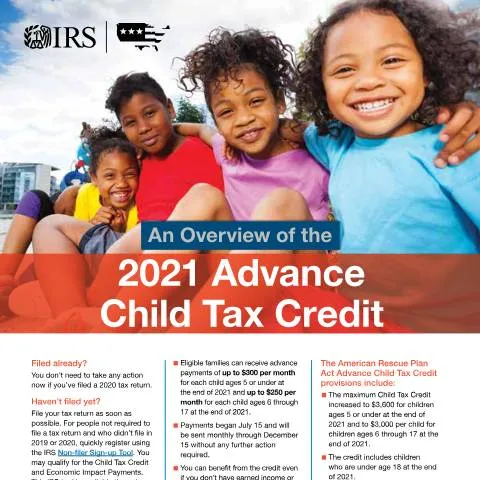
IRS Publication 5534 focuses specifically on the 2021 Advance Child Tax Credit, detailing how eligible families can benefit from advance payments of this credit. Initially introduced as part of the American Rescue Plan Act, the publication outlines payment structures, eligibility criteria, and the filing process. What makes this publication significant is its impact on the financial well-being of families across the nation, particularly in a post-pandemic economy.
The Financial Implications of Child Tax Credit
Eligible families can receive substantial monthly payments—up to $300 for each child aged 5 or younger, and up to $250 for those aged 6 to 17. This financial support is pivotal for families, easing the burden of everyday expenses. The payments began on July 15 and continued monthly until December 15, 2021, providing immediate relief without requiring additional action from recipients.
Who Should Consider Filing Under Publication 5534?
Families who qualify for the Advance Child Tax Credit should be aware of certain criteria that determine eligibility. The IRS has specified that:
- Parents or guardians must have dependent children under the specified age limits.
- Eligibility extends to families with no taxable income, meaning even those not required to file a tax return may still qualify.
- Tax returns from 2019 or 2020 may be utilized for determining eligibility, especially for families that did not file for the tax years due to their income level.
Special Cases: Exceptions and Modifications
There are unique scenarios where families might face different circumstances:
- Non-filers: Families who did not file in 2019 or 2020 are encouraged to use the IRS Non-filer Sign-up Tool before the deadline of October 15, 2021.
- Caregivers: In cases where another person claims a child as a dependent, the actual parent may lose eligibility for advance payments.
- Mixed-Status Families: Families with members who have different immigration statuses must understand how that affects their eligibility.
Preparing to File: What Documents to Gather
Before you initiate the filing process, compiling the necessary documentation is vital for a smooth experience. Families should prepare:
- Social Security Numbers (SSN) for each qualifying child.
- Proof of income, such as pay stubs or tax forms.
- Any previous tax returns (2019 or 2020) to validate eligibility.
Additionally, understanding the exact nature of the tax credit can help recipients maximize their benefits. The credit amount can be substantial, with potential increases outlined in the publication depending on the child's age.
How to Successfully Complete Your Filing
Once you have your documents organized, it’s time to file. Here’s a step-by-step breakdown:
- Determine Eligibility: Ensure you meet all necessary criteria outlined in Publication 5534.
- Select the Right Method: You can choose to file online or via paper forms. Filing online is typically faster and gives immediate confirmation of submission.
- Fill Out the Tax Form: Use Form 1040 or equivalent, ensuring you include the Child Tax Credit on your return.
- Submit Your Return: If filing by mail, double-check the correct address for submissions as it varies by state.
Post-Filing Procedures: What Comes Next?
After filing, families should remain vigilant for updates regarding their Child Tax Credit payments. Typically, if all information is correct, families can expect to receive their monthly payments automatically. However, here are essential next steps:
- Check Status: Families can check their payment status via the IRS portal, which provides detailed insights into payments.
- Handling Payment Issues: If payments do not arrive, it’s advisable to review your submitted documents for errors before contacting the IRS.
Addressing Common Concerns
In the event of discrepancies or complications with your filing, the IRS provides guidance through its official website. Here are some common scenarios:
| Issue | Action Required |
|---|---|
| No Payment Received | Review submission and check status online; contact IRS if necessary. |
| Payment Amount Incorrect | Gather documentation and follow up with the IRS. |
| Eligibility Questions | Consult IRS guidelines or contact customer service for clarification. |
Understanding the Timeline: Key Dates and Deadlines
Understanding the critical timelines surrounding the filing and payment processes is essential for maximizing your benefits:
- July 15–December 15, 2021: Monthly payments for the Advance Child Tax Credit.
- October 15, 2021: Deadline for Non-filer Sign-up Tool usage for potential recipients.
- April 15, 2022: General tax return filing deadline, including adjustments for the Child Tax Credit.
Missing these deadlines could mean a loss of benefits, so keeping a calendar or reminders can be advantageous.
Specific Considerations and Unique Situations
Families often have unique circumstances that might affect their interactions with the IRS. Consider the following:
- Families with Special Needs: If a child has a disability, additional credits may apply, so it’s imperative to consult the IRS for guidance.
- International Families: Families living abroad must be aware of how the Child Tax Credit applies to their unique tax situations.
- Changing Family Dynamics: Divorce or separation can complicate filing; understanding how these changes affect dependency claims is crucial.
In these cases, it’s strongly recommended to consult a tax professional who can navigate the complexities of each individual situation.
Final Thoughts: Empowering Families Through Education
The intricacies of IRS Publication 5534 may seem daunting at first, but understanding its implications can significantly benefit families navigating financial challenges. By familiarizing yourself with the processes involved—from eligibility to filing—families can leverage this crucial support. Whether you’re a seasoned taxpayer or new to navigating IRS regulations, knowledge is your best ally in maximizing the benefits available to you.
By staying informed and proactive, families can effectively secure the financial support they need to thrive.
Understanding IRS Publication 5534: Key Concepts and Context
IRS Publication 5534 serves as a vital resource for taxpayers and tax professionals navigating specific tax scenarios. It primarily focuses on the nuances of determining whether certain payments qualify as income for tax purposes. This includes considerations for both individuals and businesses, ensuring compliance with federal income tax regulations.
One crucial aspect covered in Publication 5534 is the distinction between taxable and non-taxable payments. For example, while wages and salaries are typically considered taxable income, certain types of government benefits or gifts may not be subject to taxation. Understanding these distinctions is essential for accurate tax reporting, as misclassification can lead to complications during filing or an audit.
Furthermore, the publication dives into various exceptions and specific cases influenced by the taxpayer's status—be it self-employed individuals, partnerships, or corporations. Each category may have unique income considerations and reporting obligations, highlighting the importance of tailoring tax strategies to individual circumstances.
Taxpayers should pay careful attention to the examples provided in the publication, as they illustrate real-world applications of the tax code. These scenarios can clarify how the rules apply in different situations, helping taxpayers make informed decisions regarding their financial reporting.
Practical Implications for Small Businesses
For small business owners, IRS Publication 5534 offers critical insights into the treatment of various forms of income and expenses. The publication outlines how different income streams—such as sales revenue, interest, or dividends—should be recorded and classified for tax purposes, a necessary step to ensure compliance with federal tax laws.
Additionally, the publication emphasizes the importance of maintaining accurate records, which is essential not just for tax filing but also for business planning and decision-making. Detailed documentation can help small business owners substantiate their income claims and deductions during audits or inquiries by the IRS.
Moreover, small businesses often utilize a variety of payment methods, including cash, credit, or electronic transfers. Publication 5534 discusses the implications of these payment methods on income recognition and reporting. For instance, businesses receiving cash payments must be diligent about reporting that income, as the IRS requires timely and accurate reporting regardless of the payment form.
Taxpayers should also be aware of the quarterly estimated tax payment requirements if they expect to owe a certain amount at the end of the year. Publication 5534 provides guidance on how to calculate these payments, which is crucial for small businesses that may not have taxes withheld from their income as an employee would.
Useful Resources and Additional Guidance
While IRS Publication 5534 is an essential starting point for understanding complex tax obligations, it is also vital to seek additional resources for comprehensive guidance. The IRS website offers a multitude of resources aimed at educating taxpayers about their rights and responsibilities. For instance, taxpayers can access various interactive tools and online calculators designed to simplify tax preparation and filing.
Furthermore, taxpayers may consider engaging with professional tax advisers or certified public accountants (CPAs) to receive personalized advice tailored to their unique financial situation. These professionals can offer clarity on complex topics covered in Publication 5534, assist with tax planning strategies, and ensure compliance with the latest tax laws.
Local IRS offices often host informational workshops and seminars, providing face-to-face opportunities to learn about specific tax topics, including those addressed in Publication 5534. These sessions can be invaluable for both individual taxpayers and business owners seeking to deepen their understanding of tax compliance and best practices.
Finally, staying informed about changes in tax legislation is critical. Tax laws can evolve, and new regulations may emerge that influence the interpretations provided in Publication 5534. Subscribing to IRS newsletters or following official updates can ensure taxpayers are always operating with the most current information available.