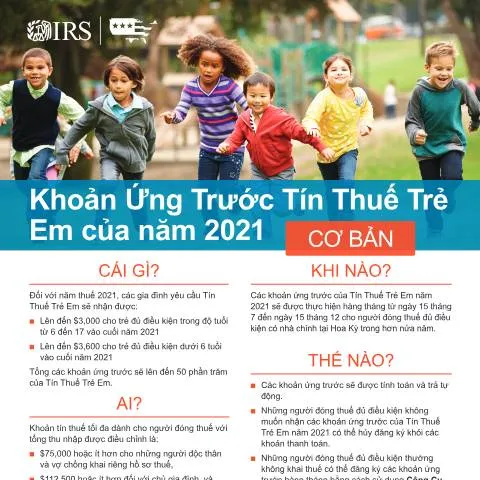
Navigating the IRS Publication 5534-BVE: Understanding Its Role and Importance
The IRS Publication 5534-BVE serves as a crucial resource for taxpayers seeking clarity on advanced child tax credits. Within the complex landscape of federal tax regulations, understanding this document is essential for families aiming to maximize their financial benefits. In this article, we will explore the intricacies of this publication, who it affects, and how to ensure compliance when filing your taxes.
Profiles of Individuals Impacted by Publication 5534-BVE
Publication 5534-BVE mainly concerns families with children in eligible age ranges. Here, we delve into the specific profiles of individuals who can take advantage of this tax credit.
Taxpayers with Varying Income Levels
- Single Filers: Taxpayers earning up to $75,000 may qualify for the full credit.
- Head of Household: An income ceiling of $112,500 applies for those filing under this status.
- Married Filing Jointly: Couples earning up to $150,000 are eligible to receive the maximum credit.
It's vital to note that those earning above these limits may still receive a reduced credit. The specifics of income adjustments can affect eligibility significantly.
Situations Requiring Special Attention
Some families may face unique circumstances that warrant attention when navigating Publication 5534-BVE:
- Non-traditional households: Families with children from non-biological relationships may still qualify.
- Dependents with special needs: Taxpayers with qualified dependents who have disabilities may have additional considerations for credit eligibility.
Key Considerations in Completing the Publication 5534-BVE
Understanding the components of Publication 5534-BVE is vital to ensure accurate and complete information when claiming the advanced child tax credit. The document outlines several sections that require careful attention.
The Application Process Breakdown
- Identification of Dependents: Carefully list all qualifying children, including their birthdates and Social Security Numbers (SSNs).
- Income Reporting: Provide precise income details to determine eligibility accurately.
- Filing Status: Ensure the correct tax filing status is selected, as this will significantly influence the amount of credit.
Common Pitfalls to Avoid
While filling out Publication 5534-BVE, one must be vigilant to avoid common errors:
- Misreporting income can result in disqualification.
- Failing to include all eligible dependents can lead to reduced credits.
- Incorrectly identifying filing status may affect the overall benefits.
Submission Timing: When and What to Expect
Understanding the timeline for submission is crucial for taxpayers aiming to take advantage of the advanced child tax credits.
Filing Deadlines
The tax filing deadline is typically set for April 15 each year. However, for the tax year 2021, the IRS initiated monthly advance payments beginning July 15 and concluding on December 15. Here’s a summarized timeline:
| Month | Payment Schedule |
|---|---|
| July 2021 | First payment distributed on July 15 |
| August 2021 | Second payment distributed on August 15 |
| December 2021 | Final payment distributed on December 15 |
After submission, taxpayers can expect a confirmation regarding their filing status and any credits awarded within a reasonable timeframe.
Submission Channels: Exploring Your Options
Your approach to submitting Publication 5534-BVE can significantly impact the processing time and accuracy. Here’s a detailed look at available submission channels.
Online Submission vs. Paper Filing
- Online Filing: Many taxpayers opt for online submission through the IRS e-file system, which typically results in faster processing.
- Paper Filing: For those who prefer traditional methods, completing the form and mailing it to the appropriate IRS address is still an option. However, this may lead to longer wait times for processing.
In-Person Visits: When They Are Necessary
In certain cases, taxpayers may find it necessary to visit an IRS office. Common reasons for in-person appointments include:
- Complex tax situations that require direct assistance from IRS professionals.
- Issues regarding previous filings that warrant clarification or corrections.
Publication 5534-BVE in the Broader Context of Tax Filing
Publication 5534-BVE doesn't exist in a vacuum; it interacts with various aspects of the tax filing process. Understanding its place within this larger framework can enhance compliance.
Integration with Annual Tax Returns
While many taxpayers may believe they can claim the child tax credit without additional documentation, they must account for it during their annual tax return filings. The credits will affect the overall tax liability reported on Form 1040.
Interplay with Other Tax Benefits
Taxpayers should also be aware of how the advanced child tax credit interacts with other credits, such as:
- Earned Income Tax Credit (EITC)
- Child and Dependent Care Credit
Understanding these relationships can help taxpayers maximize their potential refunds.
Contingencies: Responding to Rejections or Additional Information Requests
In some cases, submissions related to Publication 5534-BVE may be met with challenges. Addressing these issues promptly is critical.
What Happens in the Event of a Rejection?
If your application for the advanced child tax credit is rejected, the IRS will typically issue a notice detailing the reason for the rejection. Here’s how to respond:
- Review the notice carefully to understand the specific issues.
- Gather any additional documentation required to support your claim.
- Submit revised information or appeal the decision if warranted.
Missing Information: Steps to Take
Should the IRS request further information or clarification, be proactive:
- Respond to the IRS request promptly, ensuring you supply all necessary documentation.
- Confirm receipt of your response with the IRS to ensure processing.
Special Cases: Unique Situations and Urgent Needs
Taxpayers may encounter specific scenarios that necessitate an understanding of Publication 5534-BVE and its unique requirements.
Non-Citizens and Taxpayers with Special Circumstances
Non-citizen taxpayers may also qualify under certain conditions:
- Resident aliens who meet qualifying criteria can apply for the advanced child tax credit.
- Special provisions exist for military families and individuals who may have been overseas during the filing period.
Urgent Financial Situations
For families facing urgent financial difficulties, understanding the timeline for receiving credits can provide some relief:
- Advance payments can significantly ease immediate financial burdens.
- Ensure you are enrolled in advance payment arrangements to receive these benefits on time.
Final Thoughts: Staying Informed and Prepared
Publication 5534-BVE serves as an essential document for families navigating the advanced child tax credit and understanding their rights and responsibilities as taxpayers. To maximize the benefits available, it’s crucial to stay informed about changes in tax regulations and filing processes.
By actively engaging with the information provided in Publication 5534-BVE, taxpayers can ensure that they are well-equipped to handle their tax obligations efficiently and effectively.
Overview of IRS Publication 5534BVE: Understanding the Importance of Accessible Guidelines
IRS Publication 5534BVE serves as an essential resource for taxpayers, providing clear guidelines on navigating various tax situations and understanding the Internal Revenue Service (IRS) processes. This publication is particularly valuable for those who may find the complexity of the tax system daunting. It simplifies critical information, offering a roadmap for compliance and ensuring that taxpayers are well-informed about their rights and responsibilities.
This publication is organized into user-friendly sections that address common queries and scenarios, making it easier for individuals to locate the answers they need without having to sift through extensive legal jargon. The emphasis on plain language makes this document an essential tool for taxpayers, especially those who may be filing their returns for the first time or those who may have encountered changes in their financial situations. Keeping abreast of updates to this publication is crucial, as tax laws can evolve, and understanding these changes ensures compliance and maximizes potential benefits.
Critical Updates and Changes in IRS Publication 5534BVE
Taxpayers must remain vigilant regarding updates to IRS publications, particularly Publication 5534BVE. Changes in tax law, policies, or procedures can significantly impact filing requirements and available deductions or credits. For instance, updates to tax brackets, eligibility criteria for certain tax credits, or changes in reporting requirements can all influence tax liabilities.
Recent revisions to Publication 5534BVE may include updates on deductions related to COVID-19 relief measures, changes in home office deduction eligibility, or adjustments in the reporting of cryptocurrency transactions. It’s vital for taxpayers to consult the latest version of this publication, especially if they are engaging in activities that are newly regulated or if they have undergone significant life changes such as marriage, divorce, the birth of a child, or changes in employment status.
To access the most up-to-date information, taxpayers should regularly visit the official IRS website or subscribe to IRS newsletters. Additionally, understanding the timing of tax year changes and corresponding updates can aid in planning for the upcoming tax season effectively.
How IRS Publication 5534BVE Affects Audits and Compliance
IRS Publication 5534BVE is not only a guide for taxpayers; it also plays a pivotal role in maintaining compliance and reducing audit risks. By adhering to the guidelines outlined in this publication, taxpayers can better prepare their records and documentation, which is especially important if they are selected for an audit. The IRS uses various criteria to determine which returns to audit, including discrepancies in reported income, significant deductions, or failure to follow guidelines provided in the IRS publications.
Taxpayers should consider retaining documentation that demonstrates compliance with the recommendations in Publication 5534BVE. This includes keeping receipts for deductions, maintaining thorough records of income, and ensuring that all claims are substantiated by proper documentation. By doing so, taxpayers not only enhance their credibility during an audit but also might minimize potential penalties.
Furthermore, understanding the audit process as outlined in IRS materials, including Publication 5534BVE, helps demystify it for taxpayers. It clarifies what to expect and provides resources to navigate the process more smoothly. Familiarity with audit procedures and compliance guidelines can empower taxpayers, making them feel more secure in their tax filing practices.