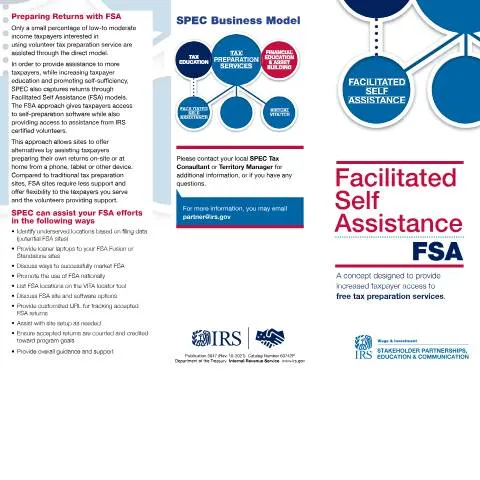
Navigating the Intricacies of IRS Publication 5047
For many taxpayers, understanding the nuances of tax regulations can be a challenging yet necessary endeavor. One such resource that provides essential guidelines for taxpayers is the IRS Publication 5047. This document is a key player for both individuals and organizations engaged in volunteer income tax assistance programs. It offers a thorough overview of the options available for taxpayers, particularly targeting low to moderate-income individuals and families who may need guidance in preparing their tax returns.
Who Should Consider IRS Publication 5047?
The scope of IRS Publication 5047 is broad, but it’s especially pertinent for:
- Volunteers and Tax Professionals: Those involved in organizations offering free tax preparation services, such as Volunteer Income Tax Assistance (VITA) or Tax Counseling for the Elderly (TCE).
- Low-to-Moderate Income Taxpayers: Individuals and families with limited financial means who may benefit from assistance in tax preparation.
- Community Organizations: Nonprofits and community groups that aim to provide tax support and education.
More specifically, the publication serves to enhance the knowledge of volunteers about the services they provide and offers direction on how to effectively assist taxpayers, ensuring that they can take full advantage of available resources.
Understanding the Context and Evolution of IRS Publication 5047
Published by the IRS, Document 5047 has undergone several revisions to remain relevant in the ever-evolving landscape of tax laws. The latest revision was released in October 2021, illustrating the IRS's commitment to updating its materials in response to changes in tax legislation and community needs. This document is designed to facilitate the preparation of tax returns while promoting self-sufficiency among taxpayers, emphasizing the importance of education in navigating tax obligations.
Structured Approach to Filling Out IRS Publication 5047
When taxpayers interact with Publication 5047, they will find guidance structured around several key components:
- Facilitated Self-Assistance (FSA): A model designed to allow taxpayers the flexibility to prepare their returns with the assistance of certified volunteers, either on-site or remotely.
- Resource Accessibility: The publication outlines different service models available, including traditional in-person support and innovative online options.
- Tax Education: It highlights educational initiatives that aim to teach taxpayers about their filing responsibilities and rights, promoting a more informed taxpayer base.
By structuring the information in this way, Publication 5047 helps users easily locate the specific information they require and understand the context in which it applies.
Key Steps for Successful Utilization of IRS Publication 5047
To successfully leverage IRS Publication 5047, recipients should follow these steps:
- Review the Publication: Familiarize yourself with the contents and ensure you understand the resources and options available.
- Assess Your Situation: Determine if you're eligible for the services outlined in the publication based on your income, family size, and tax circumstances.
- Engage with Certified Volunteers: If utilizing a volunteer service, reach out to certified individuals who can guide you through the process, either in person or virtually.
Common Misunderstandings About IRS Publication 5047
IRS Publication 5047 is often confused with other related tax documents, leading to potential misunderstandings. Here are some distinctions to consider:
| Publication | Purpose | Target Audience |
|---|---|---|
| Publication 5047 | Guidance on tax assistance resources and self-preparation | Low to moderate-income taxpayers and volunteers |
| Publication 17 | Comprehensive guide on filing federal income taxes | General public |
| Form 1040 | Main tax form for individual income tax returns | Individual taxpayers |
Understanding these differences is crucial for ensuring that individuals obtain the right assistance they need at various stages of the tax preparation process.
The Timeline for Utilizing IRS Publication 5047
Acting promptly and understanding deadlines is crucial when it comes to tax preparation and filing. Here’s a basic timeline:
- Before Tax Season: Review IRS Publication 5047 to understand available services and prepare for the upcoming tax season. Generally, tax season begins in mid-January and extends until mid-April.
- During Tax Season: Engage with certified volunteers and utilize facilitated self-assistance resources as needed. Ensure you have all necessary documents ready for filing.
- Post-Filing: After submitting your tax return, maintain records as guided by the publication to handle any potential inquiries from the IRS.
Keeping these timelines in mind will aid taxpayers and volunteers in staying organized throughout the process.
Exploring the Channels for Submitting Tax Returns
Filing tax returns can be executed through several channels, each with its own processes and implications:
- Online Submission: Many taxpayers prefer this method for its convenience. Utilizing tax software, you can file your return directly with the IRS, often receiving confirmation faster.
- Paper Filing: Although it’s becoming less common, some individuals still prefer mailing their returns. This method requires printing, signing, and sending the documents via USPS.
- In-Person Assistance: Taxpayers can also opt for in-person visits to certified volunteer sites where they can receive hands-on help with their returns.
Each channel has its own advantages, and considering individual circumstances will help navigate the best choice for filing.
Handling Potential Issues with IRS Publication 5047
Facilitated self-assistance is designed to empower taxpayers, but what happens if complications arise? Here are key steps to mitigate issues:
- Refusal of Service: If taxpayer eligibility is questioned, individuals should refer back to the guidelines laid out in Publication 5047, ensuring they meet the criteria.
- Missing Documentation: Keep a checklist of required documents and reach out to volunteers for assistance in gathering necessary paperwork.
- Errors in Submission: Taxpayers are encouraged to review their returns thoroughly before submission. If an error is identified post-filing, contact the IRS directly to correct the mistake.
Being proactive and knowledgeable will lead to smoother interactions with tax authorities.
Conclusion: Empowering Yourself with IRS Publication 5047
IRS Publication 5047 stands as a significant resource, empowering volunteers and taxpayers alike. By understanding its contents and effectively utilizing the guidelines, individuals can navigate the complexities of tax preparation with confidence. The support of certified volunteers, coupled with access to educational materials, can transform the daunting task of tax filing into a manageable and informative experience.
Understanding IRS Publication 5047: A Deep Dive into Tax Refunds and Economic Impact Payments
IRS Publication 5047 is a crucial document that addresses the parameters and details surrounding tax refunds and the Economic Impact Payments (EIPs). These payments were introduced in response to the economic fallout from the COVID-19 pandemic, aiming to provide immediate financial relief to eligible individuals and families. Understanding the nuances of Publication 5047 can significantly impact your tax filings and overall financial planning.
The publication outlines who qualifies for EIPs, emphasizing specific criteria that vary based on income levels, filing status, and the number of dependents. Taxpayers should be acutely aware of the threshold income limits that dictate eligibility for these payments. For instance, single filers with gross income below a certain threshold may receive the full amount, while those exceeding it may receive a reduced payment. This guides individuals in assessing their financial situations accurately before filing their tax returns.
Additionally, Publication 5047 provides insights into the reconciliation process during tax filing. If you received an EIP during the year but find that your eligibility has changed due to fluctuations in income or dependent status, you may either need to repay some of that amount or could qualify for additional credits. Consequently, staying informed of your eligibility status is vital for navigating the often-complex tax landscape.
For those who experienced life changes, such as marriage, divorce, or the birth of a child within the tax year, understanding how these factors impact your EIP eligibility is essential. Publication 5047 includes detailed scenarios depicting how these changes affect overall tax liability. Furthermore, it clarifies how taxpayers can claim missing EIPs to ensure they are not inadvertently leaving money on the table when filing Form 1040.
Navigating the Interaction Between State Tax Obligations and Federal Guidelines
When dealing with IRS Publication 5047, it's essential to understand the interplay between state tax obligations and federal regulations. Taxpayers often find themselves confused about how their federal tax refunds and Economic Impact Payments correlate with state tax filings. Each state has its own tax laws, and while federal guidelines provide a broad framework, state-specific rules can impose additional requirements or benefits.
For instance, some states may choose to conform their tax laws to federal guidelines regarding the treatment of EIPs. In states that do not conform, taxpayers might find their federal refunds treated differently when calculating state income tax liabilities. It's crucial for individuals to check with their respective state tax authority or consult state-specific guidance to grasp how EIPs and federal tax refunds will affect their state tax returns.
Each state may also have its own deadlines and procedures for filing state tax returns, which could differ markedly from federal deadlines. This dissonance stresses the importance of meticulous planning and a close review of both federal and state tax guidelines. Taxpayers must be vigilant in ensuring compliance with both state and federal requirements, as the repercussions of misfiling can lead to penalties or delayed refunds.
Furthermore, some states have introduced additional stimulus payments in alignment with or as a supplement to federal Economic Impact Payments. Therefore, keeping abreast of both federal and state tax changes is crucial for maximizing potential refunds and minimizing tax liabilities.
Tax Planning Strategies Informed by IRS Publication 5047
Effective tax planning can significantly benefit from insights found in IRS Publication 5047. Understanding the tax landscape and strategic financial decisions can present opportunities for optimizing your tax situation. One of the primary strategies involves income management to maximize EIP eligibility based on the thresholds mentioned in the publication.
For example, taxpayers might consider timing income recognition to fall below specific limits or strategically deferring income within a tax year to ensure eligibility for the full Economic Impact Payment. Furthermore, understanding the tax implications of filing jointly or separately can also yield different outcomes regarding EIP eligibility, so individuals should consider their circumstances carefully before making these decisions.
Moreover, utilizing tax credits effectively can create significant savings. Publication 5047 details various credits that could apply to your situation, such as the Child Tax Credit or the Earned Income Tax Credit. Taxpayers who are eligible for multiple credits should take a holistic approach in their planning, ensuring they understand how these interact with both federal tax refunds and EIPs. That could involve consulting with a tax professional or using reputable resources to gather information about maximizing credits and deductions.
Finally, keeping records organized throughout the year can simplify tax filing and bolster claims for credits or refunds. IRS Publication 5047 recommends retaining documentation that verifies income levels, dependent statuses, and any other relevant financial activities. This preparation can help mitigate the risk of IRS audits and expedite the refund process when filing Form 1040.