The Significance of IRS Publication 5046 in Tax Guidance
Navigating the labyrinth of tax regulations can be daunting for many taxpayers in the United States. IRS Publication 5046 plays a pivotal role in this process. This official document is designed to disseminate critical information regarding the Volunteer Income Tax Assistance (VITA) and Tax Counseling for the Elderly (TCE) programs, which provide invaluable support to those who require assistance in preparing their tax returns. Understanding the contents and implications of this publication is essential for both taxpayers seeking help and volunteers wishing to contribute.
Understanding the Implications: Who Should Pay Attention to Publication 5046?
Publication 5046 is not merely a guideline; it's a lifeline for various demographics, particularly:
- Low-Income Taxpayers: These individuals may struggle to afford professional tax preparation services.
- Senior Citizens: Older adults, who may not be as familiar with tax laws, benefit greatly from expert assistance.
- First-Time Filers: New taxpayers can find the tax system overwhelming, and this publication provides necessary direction.
- Volunteers: Those looking to assist others in their community through VITA or TCE programs.
Moreover, the publication addresses the broader implications of tax compliance and assistance, emphasizing the critical role of volunteers in helping those in need.
The Lifecycle of Publication 5046: From Awareness to Application
When a taxpayer decides to utilize VITA or TCE services, several steps unfold, guided by the information in Publication 5046:
- Awareness: Taxpayers learn about these programs through community outreach, word of mouth, or local advertising.
- Eligibility Assessment: Those interested must evaluate their eligibility based on income levels and age requirements laid out in the publication.
- Location Search: It is crucial to locate the nearest VITA or TCE site. This can often be done on the IRS website.
- Appointment Scheduling: Once a site is identified, the next step involves scheduling an appointment, a task facilitated by the guidelines provided.
- Return Preparation: During the appointment, certified volunteers assist taxpayers in preparing their returns, ensuring accuracy and compliance.
- Follow-Up: After filing, taxpayers may need to follow up for any additional questions or concerns, further highlighted in the publication.
Historical Context: The Evolution of IRS Publication 5046
IRS Publication 5046 is steeped in a rich history of tax assistance evolution. Initially launched as a response to growing community needs for reliable tax help, this publication has undergone several revisions to adapt to changing tax laws and societal shifts.
The IRS recognized the importance of easing the tax burden on low-income and elderly populations, and thus the VITA and TCE programs emerged as crucial components of tax assistance strategy. Through the years, updates have ensured that the publication remains relevant and user-friendly, providing taxpayers with the most current information.
Decoding Publication 5046: Key Sections and Their Importance
Within Publication 5046, various sections are tailor-made to address specific concerns and provide comprehensive guidance. Let's explore these sections to understand their significance:
- Program Overview: This section outlines what VITA and TCE are, the services they provide, and the type of assistance available.
- Eligibility Requirements: Here, the detailed criteria for participation are laid out, ensuring that potential clients understand who qualifies for assistance.
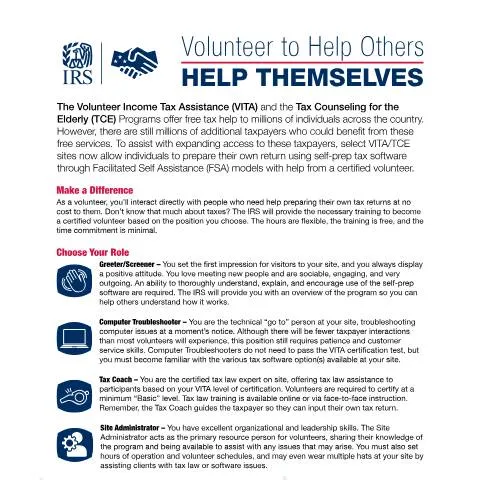
- Volunteer Roles: Explains the different positions available for volunteers, like Tax Coach and Site Administrator, and their responsibilities.
- Preparation Resources: Provides links and references to valuable tools and software that volunteers can use to assist taxpayers effectively.
Each of these sections is vital for creating a streamlined experience for both taxpayers and volunteers, enhancing the overall efficiency of the tax assistance process.
Critical Dates and Timelines: Navigating the Calendar with Publication 5046
Understanding the timeline related to tax filing and assistance is essential for all parties involved. The following key dates are crucial:
| Event | Date | Action Required |
|---|---|---|
| Tax Season Opens | January 1 | Begin gathering necessary documents and information. |
| Tax Filing Deadline | April 15 | Submit your tax return to avoid penalties. |
| VITA/TCE Program Availability | January 1 - April 15 | Schedule appointments for tax preparation assistance. |
Missing these critical deadlines can result in complications, including penalties or missed opportunities for refunds. Therefore, adherence to the timelines specified in Publication 5046 is crucial.
Unique Scenarios: Tailored Guidance for Complex Situations
Not all taxpayers fit a standard profile, and Publication 5046 recognizes this by addressing a variety of unique situations:
- Non-Residents: Specific guidelines are available for foreign nationals who may need to file taxes in the U.S.
- Minors: Tax implications for minors filing their returns are addressed, including required documentation.
- Complex Tax Situations: Advice for individuals with investment income, rental properties, or those navigating divorce-related tax issues is outlined.
- Emergency Filing: Circumstances under which expedited processing may be necessary are clarified in the publication.
By catering to these distinct needs, IRS Publication 5046 ensures that all taxpayers, regardless of their circumstances, have access to the information they require.
Challenges and Solutions: What to Do When Things Go Wrong
Issues can arise during the tax preparation process, and Publication 5046 provides essential guidance for resolving these challenges:
- Application Rejections: If a tax return is rejected, the publication outlines the steps to rectify the situation, including common errors that can lead to rejection.
- Missing Documentation: Guidelines are provided for taxpayers who have misplaced necessary documents, helping them understand how to obtain replacements.
- Disputed Calculations: The publication addresses how to contest any discrepancies in tax refund amounts or reported income.
Having clear solutions laid out in Publication 5046 empowers taxpayers to take action and resolve their issues efficiently.
Final Call to Action: Leveraging IRS Publication 5046 for Success
For both taxpayers and volunteers, IRS Publication 5046 stands as an essential resource in simplifying the tax preparation process. By understanding and utilizing the information contained within it, individuals can navigate their tax responsibilities with confidence and clarity.
Whether you are filing your taxes for the first time or volunteering to help others, take the time to thoroughly review Publication 5046. Engage with local VITA or TCE programs, and contribute to your community while gaining valuable insights into the tax system. Your proactive approach can make a significant difference in your financial journey and that of others around you.
Understanding the Basics of IRS Publication 5046
IRS Publication 5046 serves as a vital resource for understanding the tax implications related to various income types, including pensions, annuities, and other retirement income. Taxpayers often overlook the nuances associated with these income streams, which can lead to unexpected tax liabilities. It's crucial for taxpayers to grasp the importance of this publication as it outlines the requirements for reporting and the responsibilities that come with receiving different forms of retirement income.
One important section of the publication details the distinctions between qualified and non-qualified plans. Qualified plans, such as 401(k)s and IRAs, have specific rules governing their tax treatment, including potential penalties for early withdrawals. Non-qualified plans, on the other hand, lack the same tax advantages, which means understanding which type one possesses can significantly influence tax outcomes.
Eligibility and Taxation of Retirement Income
Determining your eligibility and how retirement income is taxed can be complex. IRS Publication 5046 meticulously outlines the various scenarios under which retirees might find themselves, including those who continue working while receiving retirement income. Understanding how these incomes interact can affect tax brackets and may result in additional tax liabilities if not properly managed.
Moreover, taxpayers should note that not all retirement income is treated equally. For instance, Social Security benefits may be partially taxable based on the recipient's overall income level. The publication provides a worksheet to help taxpayers determine if their benefits will be subjected to income tax, depending on their combined income. Taxpayers must pay particular attention to the thresholds set by the IRS, as failing to accurately report these could lead to penalties and interest on any underpaid taxes.
Common Mistakes and Opportunities for Tax Planning
Taxpayers often make common mistakes when it comes to reporting retirement income, and IRS Publication 5046 provides valuable insights to help avoid these pitfalls. One of the most frequent errors is the failure to correctly account for all sources of retirement income. Many individuals may neglect to report distributions from retirement accounts, leading to underreporting of income. The publication emphasizes the importance of keeping thorough records of all distributions, as these can directly impact overall tax liability.
Additionally, the publication highlights strategies that retirees can use for effective tax planning. For example, retirees may benefit from strategically timing withdrawals from tax-deferred accounts to minimize their tax burden over the long term. Understanding how to balance withdrawals with taxable income can be a critical factor in ensuring financial stability throughout retirement.
Taxpayers should also be aware of the implications of required minimum distributions (RMDs) from retirement accounts, as failure to take these distributions by the specified deadline can incur hefty penalties. IRS Publication 5046 spells out the rules surrounding RMDs, including when they start and how to calculate the required amount, which is essential for maintaining compliance.