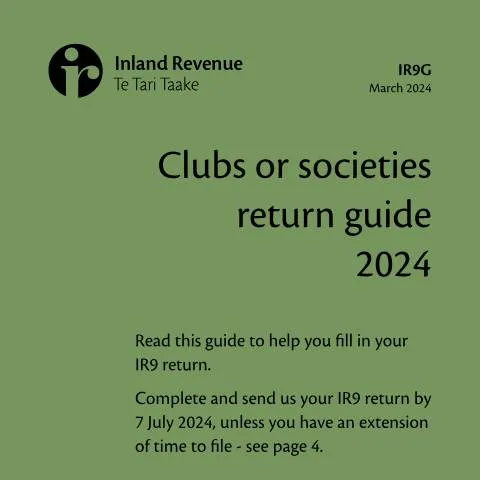
Navigating the Clubs and Societies Tax Maze: Insights from the IR9G Guide
The IR9G guide, titled Clubs or Societies Return Guide, serves as a crucial resource for clubs and societies in New Zealand, providing clear instructions on the filing of annual tax returns. The document is tailored to address the unique tax obligations faced by various organizations, ensuring compliance with the New Zealand Income Tax regulations. Understanding its contents and applying them accurately can save clubs not only time but also potential penalties associated with tax misfiling.
Understanding Your Filing Obligations
One of the primary concerns for club and society administrators is understanding who is required to file a return. According to the guide, every club and society must complete a tax return if they derive any income that is not fully exempt. This requirement can often lead to confusion, especially for organizations that may have a certificate of exemption for certain types of income, such as interest or dividends. It’s crucial to recognize that having an exemption does not automatically equate to being exempt from filing altogether.
- Exempt Income: Some clubs may only generate exempt income, exempting them from filing. It's essential to verify this status.
- Tax Year: The tax year for clubs and societies stretches from 1 April to 31 March, placing the filing due date for most organizations at 7 July of the following year unless an extension has been granted.
The Importance of Accurate Record-Keeping
Maintaining precise records is imperative for compliance. The IR9G guide emphasizes the need for comprehensive documentation, particularly if your tax situation changes. For instance, if your club has changed its name or mailing address since the last return was filed, proper proof must be submitted. This step not only aids in the accurate filing of returns but also helps in maintaining clear communication with the Inland Revenue Department (IRD).
Key Aspects of the IR9G Guide
The guide is structured to facilitate a straightforward approach to retrieving and submitting essential information. Here’s a closer look at the key sections that clubs and societies should be particularly attentive to:
- Club or Society’s Name: Any name changes since the last return must be documented to update the IRD’s records.
- Postal Address: Updating the postal address is critical for receiving any correspondence from the IRD.
- Bank Account Information: Direct crediting of tax refunds is recommended, ensuring the club or society’s financial details are accurately recorded.
- Incorporation Status: Identifying the organization’s incorporation type as it affects tax obligations is crucial in this section.
Detailed Breakdown of Income and Expenses
Clubs and societies must accurately report their income and expenses, particularly those deriving from residential properties. The guide outlines several types of income that require careful consideration:
| Type of Income | Description |
|---|---|
| Residential Property Income | Includes income subject to residential property deduction rules and net income from bright-line sales. |
| Depreciation Recovery Income | Income from disposed residential property assets that have depreciated over time. |
| Taxable Property Sales or Disposals | Income generated from the sale of taxable properties outside the residential property deduction rules. |
Understanding each component of income can significantly affect the tax calculation process, ensuring that no potential liabilities are overlooked.
Common Scenarios Requiring Additional Attention
The guide addresses several scenarios in which clubs and societies frequently find themselves:
- Ceased Operations: If a club or society has ceased to operate, it must submit closing accounts and possibly file a cessation form.
- Renting or Leasing Properties: Rules surrounding the income from residential properties can be intricate. Fees, rentals, and any associated expenses must be reported correctly.
Any of these circumstances can significantly impact the organization’s filing requirements and tax obligations, making diligent record-keeping and understanding essential.
Provisional Tax and Its Implications
Another critical aspect highlighted in the IR9G guide is the provisional tax system, which may apply to clubs and societies with specific income thresholds. Provisional tax allows for the spreading of income tax payments throughout the year, easing the financial burden. Key points to understand about provisional tax include:
- Thresholds: Organizations will need to assess whether they meet the criteria for provisional tax liabilities based on their income levels.
- Election to Pay Provisional Tax: Clubs and societies may need to formally elect to be treated as provisional taxpayers, which can alter payment schedules and obligations.
Leveraging Online Tools and Resources
In alignment with modern practices, the guide encourages the use of digital services through the IRD’s website. Clubs can streamline their processes by utilizing tools like the myIR platform, which allows for the management of tax and entitlements online. Benefits of using online services include:
- Real-time Calculators: Clubs can calculate potential tax obligations quickly, aiding in financial planning.
- Access to Past Records: The myIR portal allows clubs to review previous returns, simplifying the filing process.
Engaging with these digital services can save time and provide a more efficient approach to tax management.
Addressing Common Concerns and Questions
Throughout the IR9G guide, several common questions arise that can impact the filing experience:
- What to Do If Records Are Insufficient? If an organization cannot provide complete records, it is advised to contact the IRD for guidance rather than risk inaccuracies on the return.
- Understanding Late Payment Penalties: Clubs should be aware of potential penalties for late submission of returns or payments, which can quickly escalate if not addressed promptly.
Navigating the Future with Confidence
As clubs and societies prepare to file their annual tax returns, the IR9G guide becomes an indispensable tool that provides clarity and direction. Familiarizing oneself with its sections allows organizations to proactively manage their tax obligations.
Utilizing both traditional and digital resources, clubs can ensure compliance while maintaining transparency and accountability. By approaching the tax filing process with the right tools and knowledge, clubs can minimize risks, facilitate smoother operations, and focus on their core mission of serving their members and communities.
Understanding the Legal Obligations of Clubs and Societies
In New Zealand, clubs and societies operate under specific legal frameworks that dictate their obligations concerning governance, financial reporting, and compliance with the law. The primary legislation guiding these entities includes the Incorporated Societies Act 1908 and the Charitable Trusts Act 1957. Understanding these laws is crucial for club officials and members alike, as they outline the responsibilities of managing a club or society.
Clubs that are incorporated must ensure that they adhere to the requirements set forth in the Incorporation Act. This includes maintaining an updated register of members, holding regular meetings, and submitting annual returns to the Registrar of Incorporated Societies. Failure to comply with these requirements could result in penalties, including the potential removal of incorporated status.
For clubs operating as charitable entities, accountability is further heightened. Charitable organisations must not only comply with the respective acts but also submit financial statements to the Charities Services, ensuring transparency and maintaining their tax-exempt status. Understanding the nuances of these legal obligations is imperative for the effective and lawful operation of a club or society.
How to Prepare for an Annual Return: Step-by-Step Guide
Preparing an annual return for your club or society can seem daunting, but breaking it down into manageable steps makes the process much smoother. Here’s a step-by-step guide to help you navigate through the requirements:
- Gather Financial Records: Start by collecting all financial documents for the fiscal year, including bank statements, receipts, invoices, and any other relevant documentation. This will form the basis of your financial statements.
- Prepare Financial Statements: Create your financial statements, including a statement of income and expenditure and a balance sheet. Ensure that these statements adhere to the reporting standards relevant to your club, whether you are a simple club or a charitable organisation.
- Review Membership Records: Update your membership records to reflect any changes over the past year. This includes adding new members and removing those who have left.
- Hold an Annual General Meeting (AGM): Schedule your AGM to present the financial statements and discuss the club's activities and future direction. It is crucial to send out notices to all members well in advance of the meeting.
- Complete the Annual Return Form: Fill out the appropriate annual return form for your club. Ensure all information is accurate and reflective of your financial records and membership.
- Submit the Return: Submit your annual return to the relevant authority, such as the Registrar of Incorporated Societies or Charities Services. Ensure that you meet any deadlines imposed to avoid late fees or penalties.
- Maintain Records: Keep a copy of the submitted return and all accompanying documents for your records. This will assist you in preparing for future returns and provide a reference for any inquiries.
Common Pitfalls and How to Avoid Them
While filing annual returns may seem straightforward, many clubs and societies encounter common pitfalls that can lead to complications. Acknowledging these challenges and taking proactive measures can save you from future headaches.
One common issue is the failure to keep accurate and up-to-date financial records. Clubs often operate on a voluntary basis, and this can lead to disorganisation. Implementing a structured bookkeeping system can mitigate these issues. Consider appointing a treasurer or financial officer responsible for maintaining records throughout the year.
Another frequent mistake is neglecting to inform members about the AGM. This is not only a missed opportunity for engagement but also a requirement under the Incorporated Societies Act. Always provide ample notice—typically 14 days—before the meeting, and ensure all members understand the importance of attendance.
Finally, be aware of the deadlines for submitting your annual return. Missing these deadlines can result in penalties or loss of your club’s incorporated status. Set reminders in your calendar for key dates and ensure that your club has a system in place to complete and submit the annual return well in advance of the deadline.
By addressing these common pitfalls proactively, your club or society can ensure compliance and foster a more engaged membership base.