Unveiling the RA22: Navigating Your Tax Credit Application
Picture a scenario where you have incurred eligible expenses in relation to prescribed medications. In Malta, the path to reclaiming a portion of these costs hinges on the submission of the RA22 form, officially known as the Tax Credit in Terms of the Deductions and Tax Credits. This document provides the necessary framework for taxpayers to receive their rightful deductions, but understanding its nuances is key to a successful application.
Understanding the Purpose and Impact of the RA22
The RA22 form plays a crucial role in the Maltese income tax landscape, specifically tailored for individuals who wish to claim tax credits related to pharmaceutical expenses. The importance of this form cannot be overstated, as it not only aids in reducing the taxable income but also promotes the responsible management of healthcare costs incurred by residents.
By facilitating the acknowledgment of certain healthcare expenses, the RA22 form positions itself as an essential tool for taxpayers. Thus, it is imperative to grasp how this document interacts with the overall tax system in Malta.
The Broader Tax Framework
Within the Maltese taxation system, the RA22 form is one part of a larger tapestry designed to incentivize health-related expenditures. Taxpayers are allowed to benefit from deductions that can significantly alleviate the financial burden of healthcare. However, the RA22 is not an isolated entity; it operates in conjunction with other forms and regulations dictated by the Income Tax Department.
Who Should Consider Submitting the RA22?
While the RA22 form is fundamentally geared towards individuals dealing with specific pharmacy-related expenses, it is crucial to identify the categories of taxpayers eligible for this form. This includes, but is not limited to:
- Residents who have incurred out-of-pocket expenses on medicines that are not fully reimbursed by public health insurance.
- Individuals who are dependent on specific medications for chronic conditions.
- Taxpayers who have experienced significant healthcare costs that exceed certain thresholds established by the legislation.
Each of these categories may have unique considerations, especially when it comes to substantiating claims. Understanding which profile you fit into is the first step towards a successful submission of the RA22.
Specific Situations and Exceptions
It’s imperative to note that not every expense qualifies for the tax credits outlined in the RA22. For instance, over-the-counter medications, cosmetic treatments, or elective procedures may not meet the necessary criteria. Furthermore, taxpayers who are already receiving substantial public health reimbursements may find their eligibility affected.
Deciphering the RA22: A Line-by-Line Guide
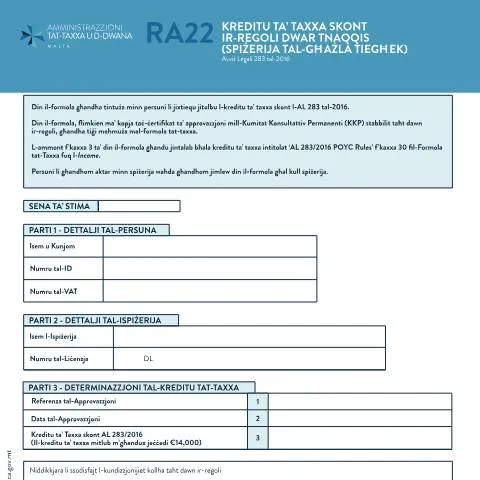
Completing the RA22 form can appear daunting at first glance, but breaking it down into manageable sections can simplify the process. Here’s what to expect:
| Section | Description | Common Pitfalls |
|---|---|---|
| Personal Information | Basic details including name, ID number, and contact information. | Ensure the ID number is correctly entered; small typos can lead to significant delays. |
| Pharmacy Details | Information about the pharmacy where purchases were made. | List the correct pharmacy address; incorrect information may lead to issues validating the claim. |
| Expenses Incurred | Detailed account of eligible expenses related to pharmaceuticals. | Be meticulous in itemizing expenses; missing or inaccurately claimed amounts can result in rejection. |
| Documentation | Submission of supporting documents such as receipts and invoices. | Failure to provide adequate documentation will hinder the approval process. |
The Submission Process: Step-by-Step
Once the RA22 has been painstakingly filled out, the next step is the submission process. Here’s how to proceed:
- Double-check all entries to ensure accuracy.
- Gather supporting documents, including original receipts and any necessary identification.
- Utilize the e-ID for secure online submission via the official income tax portal.
- Monitor the status of your submission regularly to ensure processing.
It is advisable to submit the RA22 as early as possible in the tax year, as this can facilitate timely processing and potential refunds.
What Happens Next? Understanding Processing Times
After submission, it is crucial to be patient, as the review process can take varying amounts of time depending on the volume of applications the Income Tax Department is handling. During this period, applicants may receive communication for additional information or clarification, making prompt responses vital to avoid unnecessary delays.
Dealing with Challenges: Rejections and Corrections
Not all applications proceed smoothly. In instances where the RA22 form is rejected or flagged for errors, understanding how to address these challenges is paramount:
- Review the rejection notice carefully to understand the reasons for denial.
- If an error is discovered on the submitted form, promptly file a correction with the necessary documents to support your claim.
- For additional assistance, consider reaching out to the income tax helpline, which can provide guidance on complex cases.
Timely action can be a decisive factor in securing the credits owed to you.
The Importance of Accurate Record-Keeping
Maintaining comprehensive records of all pharmacy transactions is critical, not only for the RA22 but for your overall tax compliance. This includes keeping copies of receipts, prescriptions, and any correspondence related to your claims. Such documentation will be invaluable if your submission is audited by the Income Tax Department.
Conclusion: Maximizing Your Tax Credits with the RA22
The RA22 form serves as a powerful instrument for taxpayers wishing to claim deductions on eligible pharmaceutical expenses. By understanding the detailed procedures, requirements, and potential pitfalls associated with the RA22, individuals can enhance their chances of obtaining the tax credits to which they are entitled. It is essential to approach this process with diligence and attention to detail, ensuring that you not only comply with the regulations but also maximize your financial benefits under Maltese law.
For any specific inquiries or clarity, the Income Tax Department remains the definitive resource for taxpayers navigating the complexities of forms such as the RA22. By leveraging their expertise, you can ensure a smoother experience in claiming your rightful deductions.
Understanding the Structure and Components of RA Forms
The RA forms, particularly the RA22, are integral to the Maltese tax credit system, specifically concerning deductions and tax credits. Understanding the structure and components of these forms can significantly aid taxpayers in effectively navigating the bureaucratic landscape.
Each RA form typically includes a section for personal details, income assessment, and specific deductions or credits being claimed. It is essential to fill out all sections accurately to avoid delays or rejections. The personal details section requires your full name, Maltese Identity Card number, and contact information. Additionally, you will need to provide details of your income sources, which may include employment income, self-employment income, or rental income.
Moreover, the deductions section allows you to specify any eligible expenses that you wish to claim against your taxable income. This could include healthcare expenses, educational costs, or, in the case of RA22, pharmacy-related expenses. It is vital to maintain records and documentation to substantiate these claims, as the Inland Revenue Department may request supporting evidence.
In the claims for tax credits, the RA22 form specifies various categories of pharmacy expenses that are eligible for credits. This includes regular medications, long-term treatments, and any prescribed supplements. Familiarizing yourself with these components and ensuring their accuracy can expedite the processing of your claims.
Common Mistakes in Submitting RA23 Forms and How to Avoid Them
While the RA forms are designed to facilitate the tax credit application process, many individuals often make common mistakes that can lead to complications. Understanding these pitfalls is crucial for a seamless submission experience.
One of the most frequent errors involves incomplete or incorrect personal information. Taxpayers must ensure that their identity card number is accurately entered and corresponds with the details held by the Identity Malta Agency. Furthermore, failing to include all necessary documentation, such as prescriptions or receipts from pharmacies, can result in a denial of the credit claim.
Another common mistake is not adhering to the deadlines for submission. The RA forms have specific timelines that are crucial in the annual tax calendar. Missing these deadlines can lead to automatic disqualification from receiving the credit for the year in question. Therefore, it is advisable to mark these dates on your calendar and plan to submit your forms well in advance.
Additionally, taxpayers should be cautious when claiming deductions for pharmacy-related expenses. Some individuals mistakenly believe that all pharmaceutical purchases are eligible; however, only expenses that are prescribed by a licensed healthcare provider can be claimed. It is advisable to consult the guidelines provided by the Inland Revenue Department or seek professional advice when in doubt.
Impact of Changes in Tax Legislation on RA Forms
Tax laws in Malta are subject to change, and understanding how these changes impact RA forms is vital for taxpayers. Keeping abreast of legislative updates ensures that individuals can maximize their available tax credits while remaining compliant with current regulations.
For instance, recent reforms in the Public Administration Act may have introduced new categories of eligible expenditures or altered existing ones. Taxpayers should particularly pay attention to the government’s annual budget announcements, which often include significant changes to tax credits and deductions relevant to pharmacy-related expenses.
Furthermore, any amendments to the procedures for filing these forms can impact the processing time and the criteria used to evaluate claims. Taxpayers should regularly check the official site of the Inland Revenue Department or servizz.gov.mt for the latest information and updates regarding RA forms and the related tax credit system.
Understanding these legislative nuances not only aids in compliance but can also help in strategizing your tax submissions to enhance potential returns. Seeking periodic updates from tax advisory services can also provide insights tailored to individual circumstances, especially for those with complex financial situations.