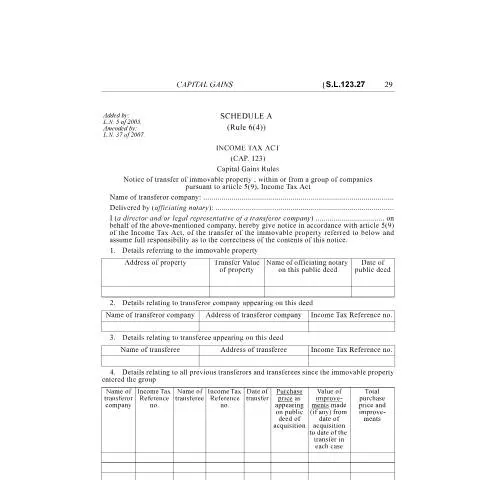
Understanding the CGT Schedule A: A Crucial Document in Property Taxation
Engaging with property tax obligations can often seem like navigating a labyrinth, especially when it comes to the Capital Gains Tax (CGT) obligations in Malta. Among the essential documents that property owners and relevant stakeholders will encounter is the CGT Schedule A. It plays a pivotal role in determining the tax implications on the disposal of property, and understanding its nuances is vital for compliance and avoiding potential pitfalls.
Navigating the Roadmap: From Initiation to Submission
The journey begins with the acquisition of the CGT Schedule A form, accessible through the property tax authorities. It is crucial to understand the circumstances that necessitate its completion. Generally, property owners who are selling or transferring property will need to fill out this form to report any potential capital gains. Here’s how the process unfolds:
- Triggering Event: The need to complete this form typically arises when a property sale is imminent. Whether it’s a private residence or an investment property, if you foresee a capital gain upon sale, this form must be filled.
- Gathering Required Information: Before you dive into filling out the form, gather all necessary details related to the property in question, including purchase price, sale price, and any associated costs that might affect your capital gains.
- Form Completion: The form comprises various sections that require accurate input of personal information, property details, and financial figures. Each section is designed to capture crucial data that the tax authorities will use to assess potential gains.
- Submission: Once completed, the form can be submitted through various channels, which will be detailed further in this article.
The Multifaceted Pathways for Submission
When it comes to submitting the CGT Schedule A, applicants have multiple options, each with distinct advantages. Understanding these channels ensures that you choose the most convenient and effective method for your situation.
Online Submission via e-ID
Utilizing Malta's e-ID portal is a modern and efficient way to submit your form. This option allows for quick processing and the convenience of completing the submission from the comfort of your home. The access requires you to authenticate your identity, ensuring security and accuracy.
Paper Submissions
If you prefer a traditional approach or are facing technical challenges, submitting a physical copy of the CGT Schedule A is still an option. Ensure that you send it through registered mail for tracking purposes or drop it at the designated property tax offices.
In-Person at Tax Offices
For those who need assistance or have complex inquiries, visiting the property tax office in person can be invaluable. Here, you can receive guidance on completing the form and ensure that your submission adheres to the necessary regulations.
Who Should be Filling Out the CGT Schedule A?
The obligations associated with the CGT Schedule A are not uniform and can vary widely based on individual circumstances. Understanding the profiles of individuals required to submit this form is crucial.
Individual Property Owners
Most commonly, individuals selling their residential or investment properties will be the ones filling out this form. They must carefully consider any exemptions or reliefs applicable to their situation.
Joint Ownership Scenarios
In cases of joint ownership, both parties may need to collaborate on filling out the form unless one party is designated to handle the submission. Proper communication is essential to ensure accuracy and compliance.
Corporate Entities
Companies disposing of real estate assets fall under the same obligations. Corporate entities must be meticulous in documenting capital gains, as corporate tax laws may further complicate matters.
Diving into the Details: A Section-by-Section Examination
A thorough understanding of the individual sections within the CGT Schedule A form can significantly reduce the likelihood of errors that may lead to delays or rejections. Let’s unpack these sections:
| Section | Description | Common Pitfalls |
|---|---|---|
| Personal Information | Details of the individual or entity completing the form. | Ensure that names and identification numbers match official documents. |
| Property Details | Information regarding the property being sold. | Double-check the address and property size to avoid discrepancies. |
| Purchase and Sale Prices | Details of the amounts involved in the transaction. | Omitting associated costs that can affect capital gains can be detrimental. |
| Deductions and Exemptions | Applicable deductions that lower taxable gains. | Failing to include relevant deductions can lead to overpayment. |
What Happens After Submission?
Once the CGT Schedule A is submitted, applicants often wonder about the next steps in the review process. Here’s a glimpse of what to expect:
Initial Review
The property tax authorities will initially review the submitted information for completeness and accuracy. Should any discrepancies arise, applicants may receive notifications outlining necessary corrections or additional documentation needed.
Timeframe for Assessment
Following the initial review, the assessment period may vary based on the workload of the authorities. It’s recommended to follow up if no communication is received within an expected timeframe.
Handling Rejections or Queries
In instances where the submission is rejected or additional information is requested, it’s vital to act promptly. Understanding the reasons behind any rejection can help in addressing issues effectively, ensuring a smoother process in the future.
Understanding the Distinctions: CGT Schedule A vs. Other Forms
With a plethora of property-related forms, confusion may arise regarding which document applies under specific circumstances. The CGT Schedule A stands apart from other similar forms, and understanding these distinctions can guide property owners in their tax obligations.
CGT Schedule A vs. Income Tax Forms
Unlike forms related to general income tax, which pertain to income earned through various sources, the CGT Schedule A is exclusively tailored to capital gains arising from property disposals. This distinction is crucial for accurate reporting and compliance.
CGT Schedule A vs. Property Transfer Forms
While both are essential in the property transaction process, the CGT Schedule A focuses on tax implications, whereas property transfer forms deal specifically with the legal aspects of changing ownership. Understanding this separation is key for property owners navigating sales and transfers.
Following Up: Tracking Your Submission
After submission, staying informed about the status of your CGT Schedule A is vital. Here are steps you can take to ensure you remain up-to-date:
Use Digital Tools
If you submitted online, utilize the tracking features available through the e-ID portal. This tool can provide real-time updates on the status of your submission.
Contacting the Property Tax Office
If you submitted a paper version, consider reaching out to the property tax office directly. Providing your submission date and relevant details can help expedite inquiries.
Documentation Retention
Maintain copies of all submitted documents and correspondence. This practice not only aids in tracking but also serves as evidence of compliance should any disputes arise in the future.
Real-World Implications: Importance Within the Larger Context
The CGT Schedule A does not exist in a vacuum; it is a component of a broader network of property tax regulations and requirements. Understanding its place in this ecosystem is essential for property owners.
Engagement with the CGT Schedule A often correlates with larger financial planning considerations, influencing decisions on property investments and overall tax strategy. By understanding the implications of this document, individuals position themselves better to navigate the complexities of property ownership and taxation in Malta.
Whether you are a first-time seller or an experienced investor, a thorough comprehension of the CGT Schedule A and its submission process will empower you to make informed decisions and avoid unnecessary complications in your property transactions.
Understanding the CGT Schedule A in Detail
The Capital Gains Tax (CGT) Schedule A in Malta is a crucial document for property owners and investors who are looking to sell real estate or dispose of assets. This schedule specifically outlines the computations for capital gains tax liabilities arising from the sale of property or shares. Understanding the intricacies of this form can help taxpayers ensure compliance with Maltese tax laws and avoid potential penalties.
CGT is calculated based on the difference between the acquisition cost of the property and the selling price, minus any allowable deductions such as costs incurred for improvements and sale-related expenses. The Schedule A form is pivotal in accurately reporting these figures, as it not only ensures the correct tax amount is levied but also facilitates any potential claims for relief if applicable.
Furthermore, the form requires detailed information regarding the property, including its address, the date of acquisition, and the selling date. Taxpayers must also declare any applicable exemptions, such as the first-time buyer's exemption or disposals of property inherited through succession. This level of detail is essential for the Maltese tax authorities to assess the tax obligations accurately.
It is also important to note the timeline for submitting the CGT Schedule A. Taxpayers must typically submit the form within 30 days following the execution of the sale agreement; failure to do so can lead to late submission penalties. Thus, keeping a close eye on this timeline and ensuring that all necessary documentation is prepared ahead of time is crucial.
Key Exemptions and Deductions Available
In Malta, several exemptions and deductions can significantly affect the amount of capital gains tax owed when completing the CGT Schedule A. Understanding these options is essential for property owners looking to minimize their tax liabilities legally.
One notable exemption includes the relief for first-time buyers, which can be highly beneficial for those entering the property market. First-time buyers can be exempted from capital gains tax on their first property sale, provided they meet the specific criteria laid out by the Maltese taxation authorities. For instance, the property must be used as a primary residence for a defined period, typically five years, before being sold.
Another essential deduction is the allowance for expenses directly related to the sale of the property, including but not limited to agents' fees, legal fees, and any renovation costs that can be substantiated with receipts. This not only reduces the taxable gain but also encourages property improvements that can enhance value.
Moreover, if the property was inherited, it is crucial to understand the step-up basis in valuation that may apply, allowing for the property to be taxed based on its market value at the time of inheritance rather than the original purchase price. This can substantially lower tax liabilities when the inherited property is sold.
It is advisable for taxpayers to consult with a tax advisor or a legal expert familiar with Maltese tax laws to ensure that all available exemptions and deductions are properly utilized, thus ensuring compliance while optimizing tax outcomes.
Practical Steps for Completing the CGT Schedule A
Completing the CGT Schedule A form can be a meticulous task, but following a structured approach can simplify the process significantly. Below are practical steps to ensure that you complete the form accurately and efficiently.
First, gather all relevant documentation prior to completing the form. This includes the original purchase deed, sale agreement, receipts for any renovations or improvements made, and any documents related to professional fees. Having this documentation at your fingertips will facilitate accurate reporting of your acquisition costs and any allowable deductions.
Next, ensure you understand the valuation date. The market value of the property at the time of acquisition is crucial for calculating capital gains. If the property has undergone significant improvements, record the costs associated with these improvements meticulously, as they can be deducted from your taxable gains.
Once you have all documents organized, begin filling out the CGT Schedule A form. Pay close attention to the details requested, such as the property's exact location, size (expressed in square meters), and dates of acquisition and sale. Any discrepancies in these details can raise flags with the tax authorities and lead to inquiries.
After completing the form, review it thoroughly for any mistakes or missing information. It may be beneficial to have a tax professional review the form to ensure compliance with the Public Administration Act (Cap. 595 of the Laws of Malta).
Finally, ensure you submit the completed CGT Schedule A form within the stipulated timeframe. This can typically be done online through your e-ID, which simplifies the process further. Given the importance of this submission, setting reminders for key deadlines is a practical approach to avoid any late penalties.