Understanding the Cork City Council Flood Defence Works Application Process
Engaging in the Cork City Council's Flood Defence Works planning application process is a significant undertaking, particularly for local residents and stakeholders who may be directly impacted by proposed developments. The PART6 document, also referred to as "Cork City Council - Flood Defence Works — planning application to ABP Appendix F photomontages Part 6 923 MB," serves as a crucial element in navigating this complex landscape. It's vital to grasp not only the primary functions of this document but also the various implications it carries for all parties involved.
The Unique Position of the PART6 Document
Unlike other planning application forms that may primarily focus on zoning or land use, the PART6 document is specifically tailored for flood defence projects. This distinction is essential for applicants to understand, as the particulars of flood defence planning can often be misconstrued with general planning applications.
What Makes PART6 Distinct?
- Targeted Focus: The form encompasses specific details related to flood risk management, hydraulic analysis, and environmental considerations unique to flood defence.
- Enhanced Requirements: Apart from standard planning application prerequisites, additional assessments on the impact of flooding and potential mitigation measures are expected.
- Public Interest: The stakes are usually higher in flood defence projects, necessitating broader public consultations and assessments compared to standard applications.
Who is Required to Submit the PART6 Document?
The audience for the PART6 document extends beyond just the immediate developers. Various stakeholders play a vital role in its completion and submission:
Profiles of Individuals and Entities Involved
- Local Authorities: Usually the initiators of flood defence projects, tasked with ensuring compliance with national legislation.
- Project Developers: Private or public entities proposing flood defence infrastructures, such as levees or flood walls.
- Environmental Consultants: Professionals engaged to conduct environmental impact assessments, crucial for a comprehensive application.
- Residents and Community Groups: Stakeholders potentially affected by the flood defence initiatives, often involved in the consultation process.
Navigating the Submission Process for PART6
Submitting the PART6 document involves a series of steps that must be meticulously followed to ensure compliance with the planning regulations set forth by the Department of Housing, Local Government and Heritage.
Steps for Completion and Submission
- Gather Necessary Information: Collect data regarding flood risk, existing environmental conditions, and community feedback.
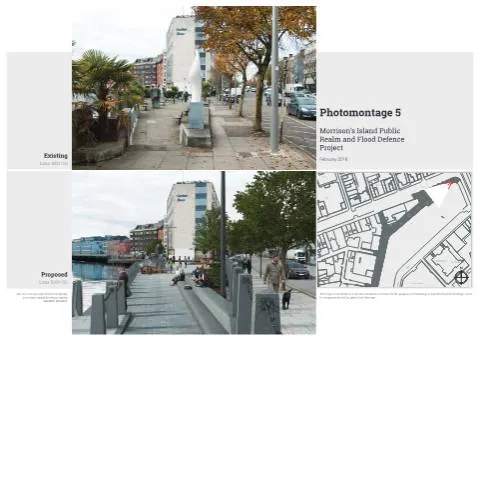
- Complete the Document: Fill out all sections of the PART6 form. Pay special attention to the photomontage requirements as these are critical for visualising the proposed projects.
- Public Consultation: Engage with your community to gather input, which can enhance the application’s robustness.
- Submit to Cork City Council: Once completed, submit the form along with any required supplementary documentation to the council.
- Wait for Acknowledgment: Ensure that you receive a confirmation of submission from the council.
Each step in this process is integral to ensuring that the application stands up to scrutiny and adequately addresses all relevant concerns.
Potential Outcomes and What to Expect After Submission
Once the PART6 document is submitted, the applicant enters a waiting period where the council will review the application. Understanding the potential outcomes of this review is crucial for stakeholders.
What Happens Next?
- Approval: If the application meets all regulatory requirements, the project may receive the green light.
- Requests for Additional Information: The council may come back with queries or request further documentation to clarify aspects of the application.
- Refusal: Should the application be denied, the applicant will receive rationale outlining the reasons for the decision.
Addressing Refusals or Missing Documents
Receiving a refusal or notification of incomplete documents can be disheartening. However, the right course of action can turn the situation around.
Steps to Take After a Refusal
- Review Feedback: Carefully consider the reasons provided for refusal.
- Consult with Experts: Engage with planning consultants or legal advisors to strategise a response.
- Submit an Appeal: If warranted, prepare and submit an appeal that addresses the council's concerns.
Preparing Justifications and Supporting Documents
When filling out the PART6 document, attaching appropriate justifications and supporting documents is crucial. This ensures transparency and bolsters the application’s overall integrity.
Types of Supporting Documents to Include
| Document Type | Description | Importance |
|---|---|---|
| Flood Risk Assessment | Analysis of the flood risk and how the project mitigates this risk. | Essential for demonstrating compliance with flood management policies. |
| Environmental Impact Statement | Details potential ecological impacts and mitigation strategies. | Critical for adhering to environmental regulations. |
| Community Consultation Records | Documentation of community feedback received during the consultation process. | Showcases stakeholder engagement and addresses local concerns. |
Understanding the Regulatory Framework
The Cork City Council's process for submission, review, and potential approval of the Flood Defence Works application is grounded in various legal frameworks. Familiarity with these regulations will empower applicants in their submissions.
Key Legislative Frameworks
- The Planning and Development Act 2000: This act underpins current planning legislation in Ireland, setting out the procedures for land use and development.
- EU Flood Directive 2007/60/EC: This directive emphasizes the importance of managing flood risk in line with European guidelines.
- Local Authority Regulations: Various regulations specific to Cork City dictate additional requirements for flood defence projects.
How to Track Your Application Status
After submitting the PART6 document, maintaining awareness of the application’s progress is essential. The process may take time, but there are ways to keep informed.
Steps for Monitoring Your Application
- Contact the Cork City Council: Regularly reach out to the planning office to inquire about the status of your application.
- Check Online Portals: Utilize any available online tracking systems provided by the council for application statuses.
- Engage with Community Networks: Networking with local groups can provide insights into any developments regarding the project.
Final Thoughts on the PART6 Document
Engaging with the Cork City Council's Flood Defence Works application implies navigating a landscape of regulations, community interests, and environmental obligations. By thoroughly comprehending the intricacies of the PART6 document and its associated processes, stakeholders can position themselves for success. Whether facing an approval, request for additional information, or even a refusal, being prepared will help in adapting and responding effectively to the challenges ahead.
Ultimately, embracing this process is not merely about fulfilling administrative requirements, but about ensuring the safety and sustainability of communities at risk of flooding. The stakes are high, and the community's future may very well depend on the diligent completion of the PART6 application.
Understanding the Planning Process for Flood Defence Projects
In Cork, as in the rest of Ireland, planning applications for significant infrastructure projects like flood defence works undergo a meticulous process to ensure compliance with environmental, social, and economic regulations. The planning process typically begins with an application to the local authority or the An Bord Pleanála (ABP) if the project is of national significance or has a complex nature. For Cork City Council’s flood defence works, this process involves several key stages.
Firstly, the applicant must prepare a comprehensive planning application that includes various crucial documents such as site plans, environmental impact assessments, and, as mentioned, photomontages that visually represent the potential impacts of the proposed works. These documents help local communities and stakeholders understand the implications of the development.
Public consultation is a vital part of the planning process. This involves notifying local residents and stakeholders about the proposed works, providing opportunities for them to voice their opinions or concerns. It is not uncommon for communities to be apprehensive about large-scale construction works, especially those related to flood management, which may alter familiar landscapes or disrupt local ecosystems. Thus, the Cork City Council actively seeks to engage the public through information sessions and online feedback platforms.
Once public consultation is complete, the Cork City Council will review all submissions and concerns raised during this period. The planning authority will assess the application against the relevant policies and regulations outlined in the Planning and Development Act 2000 and subsequent amendments. If the Council approves, they will grant permission, potentially with conditions to mitigate any adverse effects. However, if objections arise or if the project is deemed to have significant implications, the application may be elevated to An Bord Pleanála for a more extensive review.
Environmental Considerations in Flood Defence Works
Flood defence projects in Cork must meet stringent environmental guidelines to ensure the protection of local ecosystems and biodiversity. The Environmental Impact Assessment (EIA) is a critical component of flood defence planning, as it evaluates the potential environmental consequences of the proposed works.
The EIA process involves a detailed analysis of the project's impact on water quality, air quality, noise levels, and the local flora and fauna. The findings are documented and submitted as part of the planning application, providing crucial insights into how the flood defence works may affect the surrounding environment.
Furthermore, the assessment must consider socio-economic factors, examining how the flood defence measures may impact local communities and economies. This includes the potential displacement of residents, changes to land use, and implications for local businesses. Mitigation strategies are typically developed to minimize negative impacts, such as creating green spaces or enhancing local biodiversity through strategic landscaping.
In addition to EIAs, compliance with the Water Framework Directive and local conservation regulations is essential. These regulations aim to maintain and improve the quality of water bodies and protect sensitive habitats. As such, flood defence works must incorporate sustainable practices, such as using natural materials and ensuring that any construction methods do not compromise local wildlife or water quality.
Future-Proofing Cork's Flood Defence Infrastructure
The increasing frequency and severity of flooding events due to climate change necessitate that Cork's flood defence works are not only effective but also resilient and adaptable to future challenges. Future-proofing these projects involves considering long-term climate scenarios, including projections for rising sea levels and increased rainfall.
To achieve this, Cork City Council collaborates with environmental scientists, urban planners, and civil engineers to design flood defence measures that can withstand the impacts of climate change. These might include the use of innovative materials that offer enhanced durability or the incorporation of green infrastructure solutions, such as permeable pavements and natural water retention systems, which help manage stormwater more effectively.
Moreover, the integration of stakeholder engagement in the planning process is crucial for long-term sustainability. Connecting with local communities to understand their experiences and expectations concerning flood risks and management allows for tailored solutions that resonate with residents while maintaining ecological integrity. This collaborative approach fosters a sense of ownership and responsibility among community members, encouraging them to participate in ongoing maintenance and monitoring efforts.
Finally, continuous monitoring and evaluation of the flood defence infrastructure post-construction are essential. The Council is tasked with regularly assessing the effectiveness of the measures implemented, allowing for adjustments in strategy and ensuring that the flood defence system remains robust against evolving environmental conditions.