The Heart of Flood Defence: Understanding the Cork City Council Planning Application
In the dynamic landscape of urban planning, the Cork City Council's Flood Defence Works represent a crucial step in safeguarding the city against environmental challenges. This comprehensive planning application, specifically detailed in the abp appendix f photomontages part 2, encapsulates vital information for stakeholders involved in flood management. By delving into this document, we will unravel its significance, the processing steps, and the implications for various stakeholders.
Navigating the Planning Application Framework
The planning application process follows a structured approach mandated by the Department of Housing, Local Government and Heritage. The Part 2 submission entails several key elements:
- Background Information: Provides context on the intended flood defence measures.
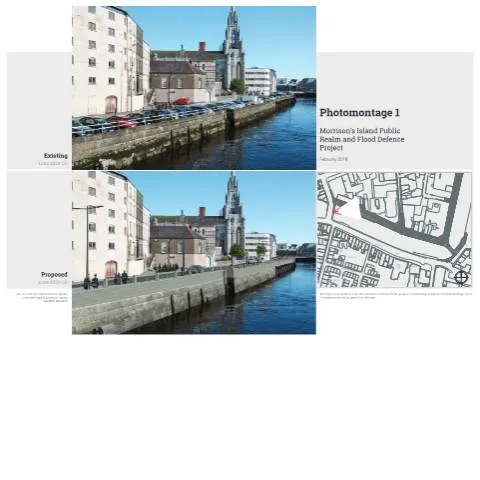
- Photomontages: Visual representations that illustrate the potential impact of proposed works.
- Environmental Assessments: Evaluations that ensure compliance with regulations.
It is imperative for applicants to understand that each section of the application is designed for specific scrutiny, ensuring a comprehensive overview of the proposed works.
Step-by-Step Guide to Completing the Application
Completing the Cork City Council planning application requires meticulous attention to detail. Here’s a structured approach for filling out each section:
1. Applicant Details
In this section, the applicant must provide their name, address, and their PPSN (Personal Public Service Number) to identify themselves in the system. It is crucial to ensure that the details are accurate to avoid any processing delays.
2. Site Location
Clear identification of the site is vital. Use the Eircode for precise location mapping. Misidentification can lead to complications in the assessment process.
3. Project Description
Offer a detailed description of the proposed flood defence works. Include the intended outcomes, such as risk reduction and community safety enhancements.
4. Photomontages Submission
The inclusion of photomontages is essential. These visual aids help assessors to understand the visual impact of the proposed works on the existing environment. Ensure that these images are of high quality and accurately depict the project scale.
5. Environmental Considerations
Incorporate any environmental assessments conducted, focusing on potential impacts and mitigation strategies. This shows a commitment to sustainable practices and compliance with legal requirements.
Who Needs to Submit This Application?
The planning application must be submitted by individuals or entities intending to initiate flood defence projects within Cork City. This could range from local authorities to private developers. Understanding the specific roles and responsibilities is crucial for stakeholders involved:
- Local Authorities: They may initiate applications for public projects aimed at protecting community infrastructure.
- Private Developers: Entities that wish to enhance property value while ensuring compliance with safety regulations.
Important Deadlines and Timeline for Processing
Awareness of deadlines is vital in the planning application process. Here’s a timeline to keep in mind:
| Task | Deadline |
|---|---|
| Submission of Application | Ongoing |
| Public Consultation Period | 4 weeks post-submission |
| Decision Notification | Generally within 8 weeks |
| Appeal Period | 4 weeks post-decision |
Missing these key deadlines can lead to a reversal in the processing of the application, making it essential to stay vigilant and informed.
Consequences of Omission: What Happens if You Forget Something?
Submitting an incomplete application can have significant ramifications.
- Delays: Missing information may result in additional requests from the council, prolonging the assessment timeline.
- Rejection: Incomplete applications may be rejected outright, necessitating re-submission.
To mitigate this risk, maintaining a checklist during the preparation phase can be invaluable.
Following Up: Tracking the Progress of Your Application
Once submitted, keeping track of the application’s status is essential. Here’s how to effectively follow up:
- Online Tracking: Utilize the council’s online portal to check the status of your application.
- Contacting the Council: If there are significant delays beyond the standard processing time, reaching out to the Cork City Council directly may provide insights.
Ensure you have your application reference number on hand when making inquiries.
Unique Scenarios: Special Considerations
Various unique scenarios may arise during the application process:
1. International Applicants
For applicants based outside Ireland, the process can be more complex. They may need to appoint a local representative to deal with the Cork City Council directly. Ensure that all legal requirements regarding residency and representation are clearly understood.
2. Minor Projects
For smaller flood defence projects, different regulations may apply. Always consult with the planning authority to determine if a full application is necessary or if a simpler notification is sufficient.
3. Urgent Situations
In the event of immediate flood risks, expedited processes may be available. It is crucial to communicate the urgency clearly during the application process.
Endgame: What Happens After Approval?
Upon receiving approval, several steps need to be adhered to:
- Commencement of Works: Applicants must ensure they have all necessary permits and conditions met before commencing works.
- Compliance Monitoring: Regular assessments may be mandated to ensure ongoing compliance with approved plans.
- Reporting to Authorities: Continuous communication with the Cork City Council regarding progress and any unforeseen issues is essential.
Engaging with the Community: The Role of Public Consultation
Community engagement is vital in the flood defence planning process. Public consultations allow residents to voice concerns and contribute ideas, thus enhancing the project's acceptance and viability. The planning application includes a public consultation period, typically lasting four weeks.
- Notification: Local notifications must be published to inform residents of the proposed works.
- Feedback Mechanism: Setting up a system for gathering public feedback can provide invaluable insights and enhance project quality.
Conclusion: The Ripple Effect of Flood Defence Planning
The Cork City Council planning application for Flood Defence Works is more than just a form; it is a vital instrument for community safety and environmental stewardship. Ensuring a thorough understanding of each component is critical for successful outcomes. Stakeholders must adopt a proactive approach to engage with the process and remain informed about their responsibilities, timelines, and community impact.
Understanding the Role of Cork City Council in Flood Defence Works
Cork City Council is at the forefront of implementing essential flood defence mechanisms to protect the urban and rural areas of Cork from the increasing threat of flooding. Flooding not only poses risks to the environment but also to the community's economic stability, public health, and safety. As a local authority, Cork City Council works in compliance with national policies such as the Flood Risk Management Guidelines, which fall under the auspices of the Office of Public Works (OPW).
The council's responsibilities include assessing flood risk areas, determining the necessary measures to mitigate flooding, and securing the appropriate planning permissions required to implement these measures. Notably, when a flood defence initiative is proposed, public consultation is a critical component of the planning application process. Stakeholders, including residents and businesses, are invited to provide feedback, ensuring that local concerns are adequately addressed. This participatory approach enhances community support and helps tailor solutions to the specific needs of the Cork populace.
Cork City Council has dedicated resources and expertise in flood management, employing engineers and environmental specialists to evaluate the potential impacts of proposed flood defences. They also collaborate with other governmental bodies to ensure that their plans align with broader environmental objectives, such as the Water Framework Directive, which aims to protect and enhance the quality of water resources across Europe.
The Planning Application Process: Key Steps and Considerations
The planning application process for flood defence works under Cork City Council involves several steps that are critical for ensuring compliance with local and national regulations. The first step is the submission of a detailed planning application to An Bord Pleanála (ABP), along with the necessary documentation, such as environmental assessments and photomontages that illustrate the proposed changes in the landscape.
In this context, Appendix F of the application often includes photomontages that visually represent how the flood defence structures will integrate with the surrounding environment. These visual aids are vital for stakeholders and the public to understand the implications of the proposed works. The 69 MB file size of these photomontages indicates a comprehensive visual presentation, which may include multiple angles and scenarios to depict the flood defence installations in various weather conditions.
Once the application is submitted, a series of assessments are conducted. These encompass environmental impact assessments (EIAs), which scrutinise how the proposal may affect local flora and fauna, as well as existing infrastructure. Public notices are posted, and consultations are held to gather community input. Feedback from these consultations may influence modifications to the project.
After the evaluation stage, Cork City Council, in partnership with ABP, will either grant or deny the planning permission. If the permission is granted, the council can then move forward with the detailed design and implementation phases, which involve coordinating with contractors, scheduling works, and securing additional funding if necessary. Each step in this process demands clear documentation and adherence to timelines to facilitate transparency and compliance with the legal framework set out in the Planning and Development Act.
Community Engagement and Environmental Considerations
Community engagement plays a pivotal role in the success of flood defence works proposed by Cork City Council. The perception, understanding, and acceptance of flood defence initiatives by the local population can significantly affect their effectiveness and sustainability. Therefore, the council proactively seeks to engage with community members through public meetings, workshops, and online forums.
During these engagements, residents can voice their concerns, ask questions, and contribute ideas that may enhance the flood defence strategy. It is essential for the council to communicate the technical aspects of the flood defence works in a manner that is accessible and understandable to the general public. This may involve simplifying complex engineering concepts or providing live demonstrations of flood scenarios to illustrate potential risks and the effectiveness of the proposed solutions.
Environmental considerations are equally important in the planning and execution of flood defence projects. Cork City Council is committed to ensuring that the flood defence measures do not adversely affect local ecosystems. Therefore, environmental surveys are conducted to identify sensitive habitats, species at risk, and potential impacts on water quality. Mitigation strategies are then developed to minimize any negative effects during construction and operation. This compliance with environmental guidelines not only fulfills legal obligations but also enhances the long-term resilience of Cork's natural resources.
By prioritizing community feedback and environmental stewardship, Cork City Council aims to foster a sense of shared responsibility for flood management and create solutions that benefit both the residents and the surrounding ecosystems.