Understanding the Cork City Council Flood Defence Application: An Essential Guide
The Cork City Council has initiated a critical planning application for flood defence works, which is crucial for the protection of the local community. This planning application, referred to as the Part 9 submission, specifically includes Cork City Council - Flood Defence Works — planning application to ABP Appendix F Photomontages Part 9 748 MB. Understanding the intricacies of this document is vital for stakeholders, including residents, investors, and environmental advocates. This guide aims to navigate through the process of completion, submission, and implications of this form, ensuring that those involved are well-informed about their roles and responsibilities.
The Regulatory Framework Surrounding the Application
Understanding the legal framework that underpins the Cork City Council flood defence application is essential. This plan is part of a larger context that includes various local government regulations aimed at maintaining and enhancing public safety in flood-prone areas. The Department of Housing, Local Government and Heritage oversees these applications, ensuring compliance with both national and EU regulations.
The Planning and Development Act 2000 and subsequent amendments, along with the Flood Risk Management Guidelines, provide a legislative foundation for these applications. The flood defence works aim to mitigate the impacts of flooding, particularly in areas like Cork that have experienced significant flood events in the past.
Prerequisites for Submission: What You Need to Prepare
Before diving into the completion of the application form, it is essential to gather all necessary documents and information. The following prerequisites are crucial:
- Detailed Project Description: A comprehensive overview of the flood defence works, including objectives, methodology, and expected outcomes.
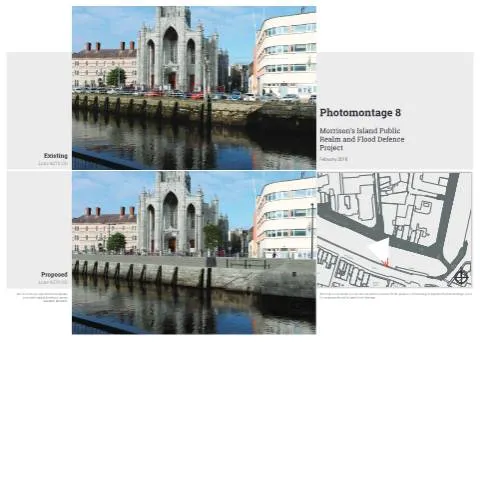
- Photomontages: Visual representations of the proposed works are necessary. These should illustrate how the project will look in the context of the surrounding environment.
- Environmental Impact Assessment: An assessment identifying the potential environmental consequences of the project, along with mitigation measures.
- Public Consultation Records: Evidence of any consultations held with local communities and stakeholders prior to submission, demonstrating transparency and responsiveness to public concerns.
Navigating the Application Form: Key Sections to Focus On
The application form is structured into several key sections, each requiring careful attention. Below is a breakdown of these sections, highlighting essential details to prevent common pitfalls.
| Section | Description | Common Mistakes |
|---|---|---|
| Project Title | Provide a clear title reflecting the project nature. | Using vague titles or abbreviations. |
| Applicant Details | Include full name and contact information of the primary applicant. | Missing contact information or incorrect details. |
| Project Description | Detailed narrative of the flood defence works, including objectives and methods. | Insufficient detail or overly technical language. |
| Supporting Documents | List and attach all required supporting documents. | Omitting essential documents such as photomontages. |
| Environmental Considerations | Assessment of potential environmental impacts. | Neglecting to address specific potential risks. |
Submitting the Application: Step-by-Step Instructions
Once the application form is completed, the submission process is straightforward but critically important. Here’s how to navigate this phase:
- Review the Application: Before submission, conduct a thorough review to ensure all sections are completed, and information is accurate.
- Compile Supporting Documents: Organize all required documentation, ensuring they are clearly labelled and easily accessible.
- Electronic Submission: The application can be submitted electronically through the relevant portal managed by the Department of Housing, Local Government and Heritage.
- Pay Application Fees: Ensure that the applicable fees are paid at the time of submission to avoid processing delays.
- Confirmation of Submission: After submitting, retain a copy of the submission confirmation receipt for your records.
Understanding the Next Steps: What Happens After Submission?
After the submission of the flood defence application, several critical processes occur:
- Validation: The local council will validate the application, ensuring that all required information and documentation are present. This process could take several weeks.
- Public Notification: The application will be publicly advertised. This is an opportunity for community members to express their support or concerns regarding the project.
- Assessment Process: A detailed assessment will be carried out by council officials and possibly external experts, focusing on environmental, infrastructural, and social impacts.
- Decision Notification: Once the assessment is complete, a decision will be communicated to the applicant, typically within a specified timeframe, which can vary based on project complexity.
Community Engagement: The Role of Stakeholders
The Cork City Council flood defence works are not just a bureaucratic formality; they involve active engagement with stakeholders. Community involvement is crucial for ensuring that the project meets local needs and addresses concerns effectively. Here are some ways stakeholders can engage:
- Public Meetings: Attend public consultation meetings to voice opinions, ask questions, and gain insights into the project.
- Written Submissions: Stakeholders can submit written comments or concerns regarding the application during the public consultation period.
- Collaboration with Authorities: Engage with local authorities for updates and opportunities for further involvement in the project.
The Implications of the Application: Rights and Responsibilities
Submitting the flood defence works application carries specific rights and responsibilities for the applicant and other stakeholders. Understanding these implications is crucial for navigating the process successfully.
For applicants, the successful completion of the application process may result in:
- Project Approval: If the application is approved, the project can move forward, contributing to the enhancement of local flood resilience.
- Funding Opportunities: Approval may open avenues for funding from governmental or non-governmental bodies aimed at supporting infrastructure improvements.
Conversely, failure to adhere to regulations or omitting critical information may lead to:
- Rejection of Application: Incomplete applications can result in unnecessary delays or outright rejection.
- Legal Repercussions: Non-compliance with planning regulations may result in legal challenges or penalties.
Conclusion: The Path Forward for Cork's Flood Defence Efforts
The Cork City Council's flood defence works application represents a significant step towards enhancing the city's resilience against flooding. By following the outlined procedures, ensuring thorough preparation, and actively engaging with the community, stakeholders can contribute to a successful outcome. The road ahead is not without challenges, but with informed action and collaboration, the community can work towards a safer, more sustainable Cork.
Understanding the Planning Process for Flood Defence Works
Navigating the planning application process for flood defence works in Cork City requires a firm grasp of the local laws and regulations. The planning authority, Cork City Council, follows specific guidelines to ensure all proposed works comply with the relevant legislation, particularly the Planning and Development Act 2000, which has been amended several times.
A key factor in the planning process is the need for a comprehensive Environmental Impact Assessment (EIA). The EIA examines the potential effects of the flood defence works on the local environment, wildlife, and residential areas. The assessment must detail the proposed construction methods, materials used, and the expected duration of the project. This information is critical for stakeholders, including local residents and businesses, to understand how the works may impact their day-to-day lives.
When submitting your planning application, it's essential to include detailed documentation, which may comprise:
- Site Location Maps: These should indicate the precise location of the proposed works, including existing landmarks and proximity to watercourses.
- Technical Drawings: Plans and elevations that depict the physical dimensions of the flood defence structures.
- Photomontages: Visual representations, such as Appendix F, which illustrate how the proposed works will look in their context. These are particularly valuable for assessing visual impact and ensuring community acceptance.
- Public Consultation Documentation: Evidence of engagement with local communities, including feedback from consultations that can inform potential amendments to the project.
Cork City Council encourages early engagement with its planning department, allowing applicants to clarify requirements before formal submission. This proactive approach can prevent delays and enhance the chances of a successful application.
Community Involvement and Public Consultations
Community involvement plays a crucial role in the planning of flood defence works in Cork City. The local authority is required to inform residents about proposed developments that may impact their environment. This is typically facilitated through public consultations, which aim to gather feedback from the community and address any concerns raised.
Public consultations can take various forms, including:
- Information Sessions: These events allow residents to learn more about the project scope, the necessity of the flood defence works, and the predicted timeline. Planners usually present detailed information, including the planning application and EIA findings.
- Online Surveys: Given the rise of digital communication, Cork City Council may also employ online platforms for gathering opinions and insights from the public. This method is particularly useful for reaching those who cannot attend physical meetings.
- Feedback Forms: After presentations or meetings, residents are encouraged to submit their feedback formally. This can help local authorities understand community sentiment and adapt plans accordingly.
It is vital for residents to actively participate during these consultations, as their input can significantly influence project outcomes. Concerns regarding environmental impact, disruption during construction, or potential changes to local infrastructure should be voiced and documented.
Following the consultation period, Cork City Council must consider all feedback when making a decision on the planning application. Transparency is critical in this process, and applicants are generally required to address any concerns raised by the public and illustrate how they have been incorporated into the project design.
Legal Considerations and Appeals Process
Once a planning application for flood defence works is submitted to Cork City Council, it undergoes a thorough review process that includes various legal considerations. If the application is granted, there might still be legal channels for objection and appeal for those who oppose the project.
One of the noteworthy aspects of planning law in Ireland is the right to appeal. Under the Planning and Development Act, if an individual or group feels that Cork City Council did not adequately address their concerns, they can appeal the decision to An Bord Pleanála (ABP). This appeal must be lodged within a specified timeframe, typically within four weeks of the local authority's decision.
The appeal process involves:
- Submission of Grounds for Appeal: The appellant must clearly outline the basis of their opposition, supported by relevant evidence or documentation to fortify their case.
- Examination by An Bord Pleanála: The ABP will review the planning application, the council's decision, and the grounds for appeal. They may also arrange a hearing where stakeholders can present their views.
- Final Decision: An Bord Pleanála will publish its decision, which may either uphold the local authority's decision, reject it, or call for amendments to the proposed works.
It's essential for stakeholders to understand that appealing a decision can lead to further delays in project timelines, and the outcomes are not guaranteed. Engaging proactively with the planning process and voicing concerns during public consultations can often provide a more effective avenue for influencing project developments.
In conclusion, while planning flood defence works in Cork City may seem complex, understanding the processes involved, participating in community consultations, and being aware of your legal rights can help you navigate this significant undertaking effectively.