Understanding the Cork City Council Flood Defence Works Document: An In-Depth Look
The necessity of implementing effective flood defence mechanisms in urban areas has never been more pressing. Cork City, like many other cities, faces challenges posed by rising water levels and increased rainfall, necessitating strategic intervention. Within this context, the Cork City Council's Flood Defence Works planning application (referred to as Part 5 Appendix F Photomontages) under the jurisdiction of the Department of Housing, Local Government and Heritage plays a crucial role. This document is not merely bureaucratic; it is instrumental in shaping the urban landscape and securing the safety of residents against flooding.The Regulatory Framework Behind Flood Defence Initiatives
Ireland's commitment to managing flood risk is encapsulated in various legislative measures, including the Planning and Development Act 2000 and subsequent amendments. These regulations elevate the importance of public consultation, environmental impact assessments, and comprehensive planning strategies. The deployment of flood defence systems is governed by the policies set forth by the Department of Housing, Local Government and Heritage, ensuring a cohesive and sustainable approach. The Cork City Council's initiative is backed by the National Flood Risk Assessment and Management (NFRAM) strategy, which identifies at-risk areas and outlines necessary interventions. The rationale for requiring a planning application, including the submission of photomontages, is to maintain transparency and public engagement throughout the development process. By visualising proposed changes, stakeholders can better understand the project's implications for both the environment and local communities.Deciphering the Components of the Part 5 Document
To grasp the full significance of the Cork City Council Flood Defence Works planning application, it’s essential to examine the specific sections of the Part 5 document. Each component serves a distinct purpose and requires meticulous attention to detail.1. Application Overview
This section outlines the project's scope, including the geographical areas affected and the proposed interventions. For applicants, it is crucial to clearly articulate the objectives of the flood defence works to preempt potential misunderstandings or objections.2. Photomontages
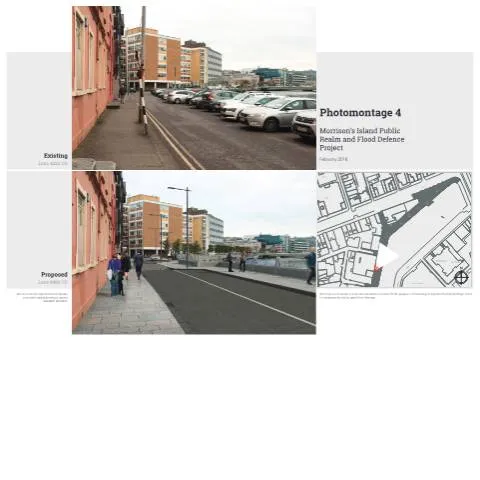
Photomontages play a pivotal role in visualising how the flood defence infrastructure will integrate with the existing urban environment. The quality and realism of these images can influence public perception significantly. Therefore, it is vital for applicants to ensure that photomontages are accurate representations, reflecting the environmental context appropriately.3. Public Consultation Strategy
A well-structured public consultation strategy is not just a regulatory requirement; it is a cornerstone of community engagement. This section should detail how the Council intends to involve local residents in the decision-making process. Consideration should be given to the timing, location, and format of consultation events to ensure maximum participation.4. Environmental Impact Assessment (EIA)
Assessing the potential environmental impacts is a crucial facet of the planning application. This section must include methodologies for evaluating how the proposed flood defence works will affect local ecosystems, water quality, and biodiversity. A robust EIA helps mitigate risks and demonstrates compliance with environmental regulations.5. Risk Assessment and Management
Understanding potential risks associated with the proposed works, including structural integrity and community safety, is paramount. This section should outline risk management strategies, including contingency plans and maintenance protocols post-implementation.Who Files the Application and When?
The submission of the Cork City Council Flood Defence Works planning application is typically the responsibility of civil engineers, urban planners, or environmental consultants engaged by the local authority or project developers. The timing of filing the application is critical, as it aligns with statutory deadlines and the broader project timeline. The Cork City Council has a defined schedule for acceptance and review of planning applications, which is publicly available through their official channels.Submitting the Planning Application: Channels and Protocols
When it comes to submitting the Part 5 document, applicants have several avenues at their disposal. The choice of submission method may impact the efficiency of processing and feedback.Online Submission via MyGovID
Utilising the MyGovID portal can streamline the application process. This online platform allows applicants to submit documents electronically, providing a timestamped confirmation of receipt. It is encouraged for applicants to familiarise themselves with the functionalities of MyGovID to ensure a smooth submission.Paper Submission
For those who prefer a traditional approach, submitting a hard copy of the application remains an option. However, it is essential to ensure that all documents are correctly signed and dated. Incomplete submissions can lead to delays and may necessitate resubmission.In-Person Submission
While less common, submitting the application in person at the council offices can facilitate immediate interaction with planning officials. This method allows for clarification of any outstanding issues and direct feedback, although it may not always be practical.Understanding the Implications for Stakeholders
Submitting the Cork City Council Flood Defence Works planning application has far-reaching implications for various stakeholders.Rights and Obligations of Applicants
By engaging in this process, applicants gain the right to a transparent review of their proposal. They are also obliged to comply with all regulatory requirements, which may include additional submissions or modifications requested by the council during the review process.Consequences of Non-Compliance
Failure to adhere to the guidelines set forth within the planning application can result in significant ramifications. Applications may be rejected, leading to delays in project timelines and financial losses. Moreover, non-compliance can trigger public outcry, impacting the reputation of both the council and the developers involved.Preparing Supporting Documentation: A Checklist
The successful submission of the Cork City Council Flood Defence Works planning application hinges on the inclusion of comprehensive supporting documentation. Applicants should prepare the following materials:- Project Description: A detailed outline of the flood defence works, including objectives and anticipated outcomes.
- Photomontages: Realistic visual representations of the proposed works.
- Environmental Impact Statement: A thorough analysis of potential environmental impacts.
- Public Consultation Evidence: Records of community engagement and feedback.
- Risk Management Plan: Protocols for addressing potential risks associated with the project.
Post-Submission: Navigating the Review Process
Once the Cork City Council receives the planning application, a thorough review will commence. Understanding this stage is crucial for applicants seeking timely approval.Review Timeline
The Cork City Council adheres to a specified timeline for reviewing planning applications. Typically, the council aims to conclude its assessments within eight weeks. However, this duration can extend if additional information is required or if public consultations are necessary.Tracking Your Application
Applicants can track the status of their submission through the Cork City Council's online portal. Regular updates will provide insights into the progress of the review, including any requests for further documentation.Responding to Feedback
Should the council require additional information or suggest modifications, applicants must respond promptly. This proactive approach demonstrates commitment and can facilitate a more favorable outcome.Conclusion: The Broader Impact of Flood Defence Works
The Cork City Council Flood Defence Works planning application is not merely an administrative hurdle; it is a critical component of urban resilience against climate change. By navigating this process effectively, applicants contribute to the safety and sustainability of their communities. Engaging with the regulatory framework and understanding the implications at every step empowers stakeholders to advocate for essential infrastructure that protects lives and livelihoods in the face of environmental challenges.Understanding the Cork City Council Flood Defence Initiative
The Flood Defence Works project undertaken by Cork City Council is a vital initiative aimed at mitigating flood risks in the region. This initiative is particularly significant given the historical vulnerability of Cork to flooding, particularly in areas adjacent to the River Lee. The flood defence strategy encompasses an extensive evaluation of environmental impacts, community needs, and long-term infrastructural resilience.
Cork City Council has sought to engage the public through consultation processes to ensure transparency and inclusivity in decision-making. The proposed flood defence measures include construction elements such as sea walls, flood embankments, and other flood mitigation structures that are designed to cope with extreme weather events exacerbated by climate change. Moreover, the Council employs a comprehensive approach that integrates urban planning with hydrological assessments to enhance the overall effectiveness of the flood defence measures.
Key Documentation and Public Participation
As part of the planning application process, the Council has prepared essential documentation that includes detailed photomontages, as referenced in the Appendix F of the planning application to An Bord Pleanála (ABP). These visual representations are crucial for stakeholders as they illustrate the potential visual impact of the proposed flood defence structures on the Cork landscape.
Public participation is a critical aspect of the planning process. The Cork City Council has facilitated community engagement sessions where local residents and stakeholders are invited to provide feedback on the project. This feedback is invaluable as it can lead to modifications in the project's design to better align with community needs and preferences. Additionally, the Council has established dedicated channels through MyGovID for residents to access project updates and contribute their opinions effectively.
It is essential for stakeholders to understand the documentation requirements associated with the planning application. The planning application typically includes various forms such as the Form 1 for planning permission, which outlines the scope of the project, and the Environmental Impact Assessment (EIA) documentation, which addresses potential ecological impacts. These documents are subject to scrutiny by An Bord Pleanála, which evaluates the application's compliance with national and local planning policies.
Challenges and Considerations in Flood Defence Planning
The development of flood defence works in Cork City is not without challenges. One of the primary considerations is balancing environmental conservation with infrastructural development. The proposed flood defence measures must comply with the EU Habitats Directive, which requires significant assessments to ensure that local wildlife and habitats are not adversely affected by the construction works.
Moreover, logistical challenges regarding construction sites in urban areas present unique obstacles. The Council must carefully plan construction timelines to minimize disruption to local communities and traffic. This often requires coordination with various stakeholders, including local businesses, transport authorities, and emergency services, to mitigate potential negative impacts during the construction period.
Another challenge is financing, as large infrastructure projects necessitate significant funding. Cork City Council may seek financial support through government grants or EU funding programs dedicated to climate resilience and sustainability initiatives. Stakeholders should remain informed about the financing strategies in place, as they can affect project timelines and scale.
In conclusion, while the Cork City Council Flood Defence Works serves as a critical response to the pressing issue of flooding in the region, it also illustrates the complexities involved in urban planning, environmental stewardship, and community engagement. Stakeholders must remain proactive in participating in the planning process and staying updated on developments, which can ultimately influence the success of this vital project.