Understanding the Cork City Council - Flood Defence Works Application
The Cork City Council has introduced an extensive planning application process, specifically focusing on flood defence works. Central to this application is the PART4 document, which encompasses vital components such as photomontages and other essential data. This guide will explore the intricacies of this planning application, outlining the key steps from initiation to submission, ensuring a clear understanding of what stakeholders need to prepare.
Context: Why Flood Defence Works?
Climate change and increasing rainfall have heightened the risks of flooding in urban areas, necessitating robust flood defence systems. The Cork City Council aims to mitigate these risks through a structured planning approach. This initiative aligns with broader national policies outlined in the National Flood Policy, defining the legislative mandate for local councils to enhance community resilience.
In 2018, the council launched a detailed proposal aimed at improving flood protection along the River Lee. The application process is critical for assessing the environmental and public impacts of these proposed works.
The Part 4 Application: Key Components and Documentation
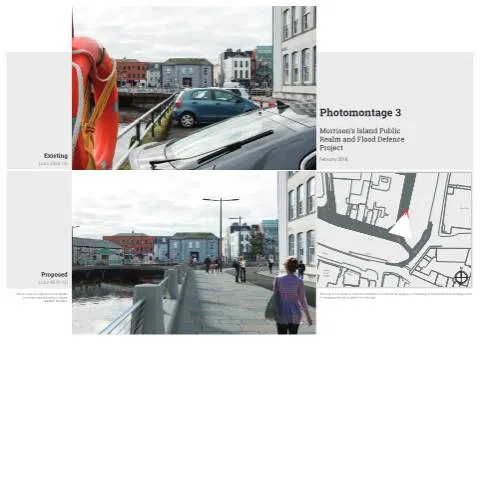
The Cork City Council - Flood Defence Works — planning application to ABP appendix f photomontages Part 4 requires specific documentation to substantiate the intended works. Here’s a breakdown of the essential components:
- Photomontages: Visual representations showing the intended changes in the landscape.
- Environmental Impact Assessments: Comprehensive studies detailing potential impacts on local ecosystems.
- Engineering Plans: Detailed schematics outlining the engineering works involved in the flood defences.
Each of these elements plays a crucial role in the review process conducted by the An Bord Pleanála, which assesses the application for compliance with environmental and planning regulations.
Who Needs to Submit the Application?
Typically, the planning application is submitted by the local authorities, specifically the Cork City Council. However, private developers or community organizations may also need to engage with this process in collaborative projects. Understanding who is responsible for submission is essential for transparency and accountability.
In some cases, businesses affected by flooding may have a vested interest in the outcomes of such applications and can provide valuable input during the consultation phase.
Completing the Application: Step by Step
Filling out the PART4 application form requires meticulous attention to detail. Below is a structured approach to completing the application:
- Gather Required Documents: Collect all necessary reports, plans, and visual aids including photomontages.
- Complete the Application Form: Ensure all sections of the PART4 form are filled out accurately, including descriptions of proposed works, timelines, and responsible parties.
- Public Consultation: Engage with the community and stakeholders through public forums or online surveys to gather feedback and gauge public sentiment.
- Submission: Compile all documents including the completed PART4 form, and submit them to both the Cork City Council and An Bord Pleanála.
- Await Acknowledgment: After submission, confirmation of receipt will be provided, marking the official start of the review period.
Each application will undergo a rigorous assessment period, during which public submissions and expert evaluations will be considered.
Submission Channels: Online vs. Paper Applications
There are two main avenues for submitting the PART4 application: online and traditional paper submission. Each method has its unique considerations:
| Submission Method | Advantages | Disadvantages |
|---|---|---|
| Online Submission |
|
|
| Paper Submission |
|
|
Regardless of the chosen method, ensuring all documents are complete and correctly formatted is essential to prevent delays in the application process.
Special Circumstances: Navigating Complex Applications
While many applications may follow a standard procedure, certain circumstances can complicate the process. These include:
- Multiple Stakeholders: Projects involving several parties may require additional consensus-building and documentation.
- Environmental Sensitivity: Areas deemed sensitive may need more extensive assessments, extending the timeline.
- Public Opposition: If local residents raise concerns, additional public meetings might be mandated to address these issues.
Engaging specialists with experience in flood defence and urban planning can help navigate these complexities and ensure compliance with relevant regulations.
Timelines: From Submission to Decision
The timeline for the review of a Part 4 application can vary significantly based on the complexity of the proposal. Typically, the following stages are observed:
- Initial Review (1-2 months): An Bord Pleanála will conduct a preliminary review to ensure completeness.
- Public Consultation (1-3 months): The community is allowed to review proposals and submit feedback.
- Detailed Assessment (up to 4 months): Experts will evaluate the environmental and public implications of the proposed flood defence works.
- Final Decision (up to 2 months): Following assessments and consultations, a decision will be rendered.
Applicants should be prepared for potential delays, particularly if significant public interest or opposition arises.
Post-Submission: What Comes Next?
After a decision is made regarding the flood defence application, several outcomes are possible:
- Approval: If approved, the applicant may proceed with the proposed works, adhering to any stipulated conditions.
- Conditional Approval: Approval may come with specific requirements that must be met before proceeding.
- Refusal: Should the application be denied, the reasons will be outlined, and applicants may appeal the decision within a specified timeframe.
Approval conditions may include ongoing environmental monitoring or periodic community updates, ensuring that the interests of the public and the environment are upheld throughout the project’s lifecycle.
Conclusion: Engaging with the Flood Defence Process
Understanding the intricacies of the PART4 application process for flood defence works is paramount for all stakeholders. Whether you are a member of the public, a local business owner, or a community organization, your engagement and understanding can significantly influence the outcomes of these essential projects. The Cork City Council remains committed to fostering a resilient and prepared community, capable of addressing the challenges posed by climate change.
Understanding the Planning Process for Flood Defence Works
The planning application process for flood defence works in Cork City involves engaging with various stakeholders, including local authorities, environmental agencies, and the public. It is crucial for applicants to submit comprehensive documentation, including photomontages and environmental impact assessments, to facilitate the evaluation process by An Bord Pleanála (ABP).
When initiating a planning application, applicants should first consult with the Cork City Council to understand local planning policies and guidelines. This conversation can provide critical insights into required documentation, especially regarding flood risk assessments as mandated by the Flood Risk Management Guidelines.
In particular, photomontages serve as a vital tool in illustrating the visual impact of proposed flood defences on the local landscape. These visual representations must be accurate and reflect the scale and design of the works to ensure public comprehension and acceptance. Including these details helps mitigate objections from stakeholders and enhances the overall quality of the application.
The Role of Public Consultation in the Flood Defence Planning Process
Public consultation is an integral part of the planning process for flood defence works. Cork City Council is obligated to engage the public to gather feedback, address concerns, and foster community involvement. Notice of public consultations is typically advertised via local media and the council’s website, ensuring wide dissemination.
During the consultation phase, affected residents and stakeholders have the opportunity to review the proposed works, including associated documentation such as photomontages. Feedback received can lead to modifications in the application, reflecting community concerns and improving project design. It is essential for applicants to actively participate in these consultations and be responsive to public concerns, as this can significantly influence the outcome of their planning submission.
The public can also submit formal observations or objections to the planning application during the designated period, which is usually specified in the public notice. These submissions are taken into account by An Bord Pleanála when making decisions on the application, making it crucial for applicants to address potential issues proactively.
Environmental Considerations in Flood Defence Planning
Environmental factors are pivotal in the planning and implementation of flood defence works. Under the European Union's Environmental Impact Assessment (EIA) Directive, projects that may significantly affect the environment must undergo thorough assessment and reporting. This is particularly relevant for major flood defence works in urban areas such as Cork City.
Applicants are usually required to submit an Environmental Impact Statement (EIS) alongside their planning application. This document must detail the anticipated environmental impacts of the proposed works, including effects on local biodiversity, water quality, and community health. The EIS should also propose mitigation strategies to minimize adverse effects.
Cork City Council works closely with the Environmental Protection Agency (EPA) during the assessment process to ensure compliance with environmental legislation and to protect local ecosystems. Understanding the ecological context of the proposed flood defence works is critical; for instance, projects near designated conservation sites may face stricter scrutiny and additional requirements to safeguard protected species and habitats.
In addition to the EIS, applicants may need to secure permits or licenses from relevant environmental agencies, further complicating the planning process. As such, it is advisable for applicants to engage environmental consultants early in the planning process to navigate these complexities effectively.