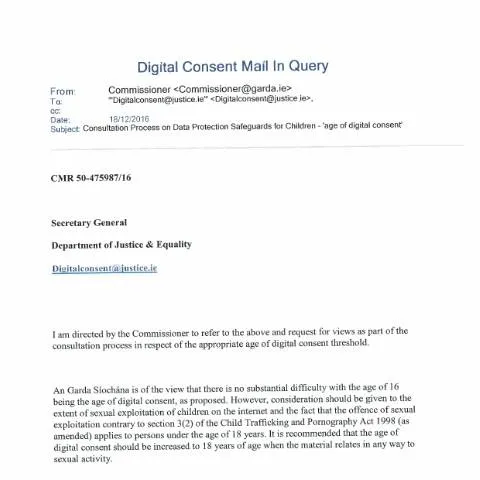
Navigating the Digital Age of Consent in Ireland
In an era dominated by technology and digital interactions, the concept of digital consent has emerged as a critical issue, particularly concerning children. The Consultation on Data Protection Safeguards for Children, initiated by the Department of Justice, Home Affairs and Migration, addresses the age threshold for digital consent within the context of contemporary challenges. This document outlines the consultation process that aims to clarify what the appropriate age of digital consent should be, taking into account the risks children face online.
Understanding the Context: Why Digital Consent Matters
The rapid expansion of digital platforms has transformed how children interact with the online world. Understanding the need for digital consent encompasses the recognition that children are often exposed to various risks, including data exploitation and online predation. The Garda Síochána has expressed the view that while setting the age of consent at 16 might not pose substantial issues, it is imperative to consider the potential for abuse in this domain. The recommendation to increase the age to 18 aims to provide enhanced protection for minors vulnerable to online threats.
Legal Framework Supporting Digital Consent
The legal foundation surrounding digital consent draws from various legislative sources, including the Child Trafficking and Pornography Act 1998. This act emphasizes the protection of children against sexual exploitation and outlines the penalties for violations. Moreover, the General Data Protection Regulation (GDPR) mandates that consent must be freely given, specific, informed, and unambiguous. These regulations underscore the importance of safeguarding children's data in digital interactions.
Structure of the Consultation Document
The Consultation on Data Protection Safeguards for Children presents a structured approach to gather insights from various stakeholders, including parents, educators, and child protection advocates. Below is a detailed examination of the document’s structure and significant components:
- Introduction: Provides an overview of the consultation objectives and the significance of the digital consent threshold.
- Consultation Questions: A series of targeted questions designed to elicit feedback from participants regarding the proposed age of consent.
- Rationale for Proposed Changes: Outlines the reasoning behind the recommendation to raise the age of digital consent.
- Stakeholder Engagement: Discusses how the department plans to engage with stakeholders during the consultation phase.
- Timeline: Details the timelines for submission of responses and subsequent stages of the consultation process.
Decoding Each Section of the Document
Every section of the consultation document serves a vital purpose. Here’s a closer look at the document’s key sections and how to approach their completion:
| Section | Description | Tips for Completion |
|---|---|---|
| Introduction | Sets the context for the consultation and outlines its significance. | Provide a clear understanding of your perspective on digital consent. |
| Consultation Questions | A series of questions addressing specific concerns related to digital consent. | Answer thoughtfully, referencing personal experiences where applicable. |
| Rationale for Proposed Changes | Discusses the implications of changing the age of consent. | Explain why you believe the age should be set at 18 or otherwise. |
| Stakeholder Engagement | Methodology for involving key parties in the consultation process. | Consider who needs to be involved in the conversation. |
| Timeline | Critical deadlines related to the consultation process. | Mark important dates and ensure your input is submitted on time. |
Key Dates and Deadlines: What to Remember
Staying informed about the timeline for the consultation process is crucial. The key dates include:
- Start Date: The consultation process commenced on [Insert Date].
- Submission Deadline: Responses must be submitted by [Insert Date].
- Review Period: Following the close of submissions, a review period will take place over [Insert Duration].
- Final Decision Announcement: The final decision regarding the age of digital consent will be made public on [Insert Date].
Distinguishing the Digital Consent Consultation from Other Forms
The Consultation on Data Protection Safeguards for Children is distinct from other official documents, particularly in how it focuses on the nuances of digital engagement and child protection. While many forms may pertain to online interactions, this one specifically addresses the rights and protections afforded to minors in the digital landscape. Understanding what sets this document apart is crucial for stakeholders involved in child welfare and technology.
Comparison with Related Forms
To elucidate the distinctions further, here’s a comparative overview of this consultation document against other related paperwork:
| Document Type | Focus | Target Audience |
|---|---|---|
| Data Protection Impact Assessment | Overall data protection regulations | Organizations processing personal data |
| Child Protection Act Consultation | Broader child safety legislation | Child welfare advocates and organizations |
| Digital Consent Consultation | Specific age threshold for digital consent | Parents, educators, and child safety advocates |
Tailored Guidance for Specific Situations
When engaging with the consultation process, different user profiles may have unique considerations. Here’s how various stakeholders can approach the document:
- Parents: Focus on the implications of the age threshold for your children, reflecting on personal experiences with digital content.
- Educators: Highlight the importance of digital literacy and responsible online behavior among students.
- Child Advocates: Consider the broader implications for child safety and protection in the digital realm.
- International Stakeholders: If you are from abroad, evaluate how Ireland's approach may influence international standards or practices.
Staying Engaged: Following Up After Submission
Once you’ve submitted your insights, the engagement doesn’t end. It’s essential to remain involved in the ongoing discussion surrounding digital consent. Here are steps to consider post-submission:
- Monitor Updates: Keep an eye on announcements from the Department of Justice regarding feedback and outcomes from the consultation.
- Engage with Community Discussions: Participate in forums and discussions that delve into the implications of the proposed changes.
- Advocate for Change: If you feel strongly about the outcomes, consider advocating for reforms or modifications based on expert opinions and community feedback.
Conclusion: The Path Forward
The Consultation on Data Protection Safeguards for Children stands as a pivotal document in the realm of child protection and digital rights in Ireland. Engaging in this consultation is not just about providing feedback; it is about actively participating in shaping a safer digital environment for the next generation. By understanding the nuances and implications of this consultation, stakeholders can contribute meaningfully to the ongoing discourse surrounding children’s rights in the digital age.
Understanding the 'Digital Age of Consent' in Ireland
The concept of 'digital age of consent' in Ireland has been increasingly pertinent as digitalization pervades every aspect of children's lives. Under the General Data Protection Regulation (GDPR), the age at which children can provide their own consent for data processing is set at 16. However, recent discussions have raised the possibility of lowering this age in certain contexts. This could have profound implications for children's privacy rights, and the framework around this initiative must be carefully considered.
Consultations are ongoing to assess how the law can be adapted without undermining the protective mechanisms that are intended to keep children safe online. The need for varied approaches depending on the nature of the service—such as educational platforms versus social media—should also be evaluated. It's crucial that stakeholders, including parents, educators, and legal experts, participate in these consultations to ensure that any changes reflect the interests and well-being of children.
Impacts on Service Providers and Compliance Obligations
For service providers in Ireland, the implications of any changes to the digital age of consent are significant. If the age is lowered, companies that collect personal data from children will need to ensure they have the necessary measures in place to obtain valid consent. This may involve revising privacy policies, enhancing user interfaces to make consent more transparent, and implementing robust data protection strategies to comply with both GDPR and local laws.
Furthermore, service providers will need to educate their users—children and parents alike—about what data is being collected and how it will be used. Internally, companies may have to conduct training for staff members on data protection practices, focusing on the specific needs associated with children's data. Overall, the operational changes demanded by a new digital age of consent will necessitate both a strategic and practical response from businesses.
The Role of An Garda Síochána in Protecting Children's Data
An Garda Síochána plays a crucial role in the enforcement of laws pertaining to the protection of children's data in Ireland. As the police service responsible for the safeguarding of citizens, including minors, they have a vested interest in ensuring that laws surrounding digital consent are adhered to. This involves not just enforcing data protection regulations, but also contributing to education and awareness campaigns about online safety for children.
Additionally, An Garda Síochána must be equipped to handle reports of data breaches or misuse of children's data. Training officers to recognize the specific nuances of cases involving minors can enhance the effectiveness of responses. Collaboration with other agencies, such as the Data Protection Commission and child advocacy groups, is essential to develop a comprehensive approach to protecting children's data in a digital context.
Furthermore, An Garda Síochána can help in the creation of a network that encourages children and families to report any concerns regarding their online safety, thereby fostering a culture of vigilance and protection against potential data exploitation.