Understanding the Landscape of Digital Consent for Children
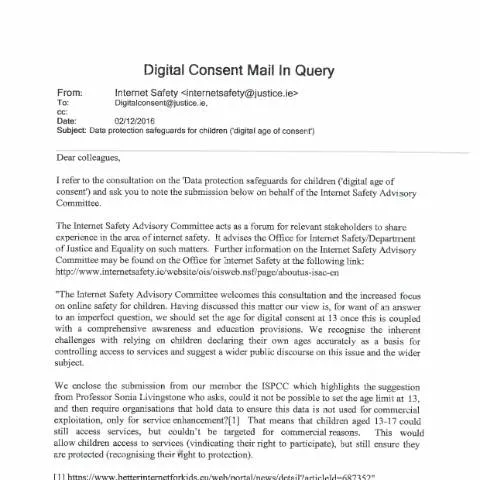
The rise of digital technology has fundamentally reshaped the way children interact with online platforms. With increased connectivity comes the pressing need to ensure their safety, particularly regarding data protection. The Consultation on Data Protection Safeguards for Children is a significant step by the Department of Justice, Home Affairs and Migration to address these issues, particularly focusing on the concept known as the 'digital age of consent'. This initiative invites stakeholders to contribute to the dialogue on how best to protect young individuals in an increasingly digital world.
The Role of the Consultation in Data Protection Policy
This consultation serves as a platform for various stakeholders, including parents, educators, and industry representatives, to voice their opinions on how children’s data should be protected online. The Office of Internet Safety oversees this process, engaging with the Internet Safety Advisory Committee to gather insights and recommendations. Key objectives include:
- Establishing clear guidelines surrounding the digital age of consent.
- Ensuring that protective measures are in place that reflect contemporary digital realities.
- Fostering awareness about data protection among children and their guardians.
Who Should Participate in the Consultation?
Participation in this consultation is encouraged from a multitude of sectors. Stakeholders include:
- Parents and guardians concerned about their children's online safety.
- Educational institutions aiming to safeguard their students' digital engagement.
- Businesses and organizations that handle children's data.
- Child advocacy groups and policy makers interested in child welfare.
By fostering a collaborative environment, the consultation aims to develop a comprehensive approach that resonates with the needs of children and their families.
Navigating the Submission Process: Step-by-Step
Engaging in the consultation requires stakeholders to submit their insights and recommendations systematically. Here’s a detailed breakdown of the process:
- Preparation: Review the consultation document thoroughly to understand the key areas of focus.
- Submission Format: Determine whether to submit online or via paper, keeping in mind the specific guidelines provided.
- Drafting Your Response: Develop a structured response that addresses the consultation questions, ensuring clarity and relevance.
- Submission Channels: Choose an appropriate method for submission—online through the designated portal or by mailing a hard copy to the department.
- Confirmation: After submission, ensure you receive a confirmation of receipt, which is essential for tracking your response.
What Happens After Submission?
Once submissions are collected, the Internet Safety Advisory Committee reviews all input to formulate recommendations. The subsequent steps typically involve:
- Analysis of the feedback gathered from various stakeholders.
- Development of a report summarizing findings and suggestions.
- Presentation of the report to the Department of Justice, which will consider the recommendations when formulating policies.
This phase is crucial as it translates public input into actionable policy measures aimed at enhancing children’s data protection online.
Highlighting the Importance of Accurate Information Submission
It is paramount that submissions are not only timely but also accurate. Misunderstandings or omissions in the submitted information can lead to delays or even rejection. Key considerations include:
- Detailing Specific Concerns: Clearly outline any specific issues or suggestions to enhance clarity.
- Providing Evidence: Where possible, attach data or studies that support your claims or suggestions.
- Staying Within Guidelines: Ensure your submission adheres to the specified format and length to avoid pitfalls.
The Broader Context: Data Protection Laws in Ireland
Understanding the consultation's role within the broader spectrum of data protection laws in Ireland is vital. The General Data Protection Regulation (GDPR) provides a comprehensive framework aimed at protecting personal data across the EU, including specific provisions for children’s data. This regulatory backdrop sets the stage for the consultation and underscores the importance of implementing robust safeguards.
Some essential components of these laws include:
- Age of Consent: The GDPR stipulates that children under a certain age require parental consent for their data to be processed.
- Right to Access: Children (and their guardians) have the right to access information regarding how their data is used.
- Data Minimization: Ensuring that children’s data collected is limited to what is necessary for the intended purpose.
Preparing for Potential Challenges and Outcomes
While the consultation process is designed to be participative and constructive, it's important to anticipate potential challenges. Stakeholders may encounter:
- Refusals: If your submission is disregarded, review the feedback provided to understand the reasons and adapt future submissions.
- Errors in Submission: In the case of errors, reach out promptly to the department to rectify any issues, referencing your submission details.
- Missing Documentation: Ensure you have all required documents prepared and submitted to streamline the process.
Key Takeaways for Stakeholders
The Consultation on Data Protection Safeguards for Children represents an essential opportunity for stakeholders to influence policy that will ultimately shape the online safety of children. Engaging in this process is not merely about compliance, but about actively participating in the creation of a safer digital landscape for future generations. As such, stakeholders should:
- Remain informed about the consultation process and deadlines.
- Collaborate with other stakeholders to present a unified voice on key issues.
- Proactively contribute constructive feedback that emphasizes the need for comprehensive protections.
This initiative reflects a commitment to child safety that transcends policy frameworks, embedding a culture of vigilance in the digital age.