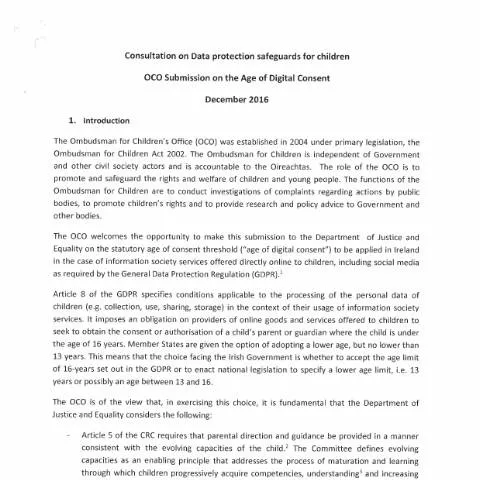
Understanding the Consultation on Data Protection Safeguards for Children
The role of children in the digital landscape has gained increasing attention, especially in terms of their rights and protection online. The Consultation on Data Protection Safeguards for Children, specifically focusing on the age of digital consent, invites stakeholders to engage in a meaningful dialogue about how we can protect young internet users in Ireland. This document, spearheaded by the Office of the Ombudsman for Children (OCO), serves as a vital milestone in establishing guidelines that uphold children's rights in the digital world.
Key Stakeholders and Their Responsibilities
Various stakeholders play critical roles in this consultation process:
- Department of Justice and Equality: This governmental body is responsible for considering the recommendations put forth regarding the age of digital consent.
- Children's Rights Advocates: Groups focused on advocating for children's rights will provide input based on their understanding of the unique challenges faced by minors online.
- Parents and Guardians: They are crucial participants, offering perspectives on how best to safeguard their children while encouraging responsible internet use.
- Child Protection Agencies: Agencies dedicated to child welfare will contribute their insights into potential risks and protective measures associated with online activities.
The Role of the Ombudsman for Children
The OCO was established under the Ombudsman for Children Act 2002 with the mandate to promote and safeguard the rights of children and young people. They are integral in:
- Conducting investigations into complaints related to public bodies affecting children.
- Researching children's rights and advising the government on necessary legislative changes.
- Facilitating consultations like this one to ensure children's voices are heard in discussions that directly impact them.
Navigating the Digital Landscape: Who is Affected?
Children and young people are increasingly accessing digital spaces at younger ages. The OCO's findings indicate:
- One-third of internet users globally are under 18, and the average age of first-time internet use is dropping.
- Smartphones are the primary device for children aged 9-16, with 35% of this age group using them daily for internet access.
- 40% of children aged 11-12 already have social networking profiles, raising significant concerns regarding data protection and consent.
This data highlights the need for robust frameworks to ensure that children's rights are safeguarded as they navigate online platforms.
Completing and Submitting the Consultation Document
To engage in this consultation, stakeholders must complete the designated consultation form, which includes key details such as:
- Name and contact information
- Your relationship to the issue (parent, guardian, advocate, etc.)
- Your insights or suggestions regarding the age of digital consent
Once completed, this document can be submitted through various channels:
- Online Submission: Accessible via the OCO's dedicated portal for consultations.
- Postal Submission: Printed copies can be mailed to the OCO's office, ensuring confidentiality and proper handling.
- Public Forums: In-person discussions may be scheduled, allowing real-time feedback and dialogue.
Dealing with Complications: Errors and Missing Information
It is possible that during the submission process, an applicant may encounter complications, such as:
- Missing Information: Ensure that all required fields are filled out completely. Incomplete submissions may lead to delays or rejections.
- Errors in Submission: If an error is identified post-submission, promptly contact the OCO to rectify any issues and ensure that the feedback is accurately represented.
- Refusal or Rejection: If a submission is rejected, the stakeholder should seek clarification as to why it did not meet the requirements and address any concerns raised.
Legislative Context: The Framework for Protecting Children Online
Understanding the legal backdrop against which this consultation occurs is essential for grasping its significance. Key instruments include:
- General Data Protection Regulation (GDPR): Sets out the age of consent at 16 but permits member states to lower it. This flexibility allows the Irish government to consider legislation that better suits its youth.
- UN Convention on the Rights of the Child (CRC): Establishes fundamental rights for children, including protection from exploitation and the right to be heard.
- Ombudsman for Children Act 2002: Provides the legal foundation for the establishment of the OCO and mandates its role in promoting children's rights.
This legislative framework underpins the necessity of the consultation and guides the recommendations for safeguarding children's rights in the digital age.
Potential Outcomes and Their Implications
The outcomes of this consultation will have far-reaching implications for children's interaction with digital platforms. Possible outcomes include:
- Establishment of a Clear Age Threshold: The government may decide to implement a legally binding age of consent that reflects the recommendations from the consultation.
- Increased Awareness and Education: Enhanced educational programs for both children and parents concerning digital literacy and responsible internet use.
- Stronger Protections Against Exploitation: Legislative changes that enhance protections for children against data misuse and exploitation online.
Conclusion: The Future of Children in the Digital Age
The Consultation on Data Protection Safeguards for Children serves as a turning point in how Ireland approaches children's rights in the digital landscape. By engaging various stakeholders, the conversation not only paves the way for informed legislation but also emphasizes the importance of children's voices in a rapidly evolving digital world. As we move forward, the recommendations from this consultation will be pivotal in shaping a safer online environment for future generations.
Understanding the Digital Age of Consent in Ireland
The concept of a digital age of consent is crucial as it lays down the legal framework for how children engage with digital services and online platforms. In Ireland, the age of consent for processing a child's personal data is set at 16 years, as per the General Data Protection Regulation (GDPR). This means that children under this age require parental consent before their data can be processed. However, the application of this regulation can vary significantly based on the context in which children's data is collected and used. It’s essential for parents, guardians, and educators to understand these regulations to protect children effectively.
The Office of the Ombudsman for Children (OCO) is actively seeking to engage various stakeholders in this consultation process. This includes parents, educators, tech companies, and children themselves, to gain insights into how the digital age of consent is perceived and implemented. By understanding the different perspectives, the OCO aims to advocate for measures that ensure children's personal data is safeguarded in an increasingly digital world.
Potential Impacts of Data Protection Safeguards on Children’s Online Engagement
The safeguarding of children’s data has profound implications for their online engagement. On one hand, robust data protection measures can instill a sense of safety and trust, encouraging children to engage more freely with educational and creative online platforms. On the other hand, overly restrictive measures may inadvertently hinder children’s access to beneficial resources and curtail their online learning experiences.
For instance, educational platforms often rely on data to tailor learning experiences to individual students. If these platforms face stringent barriers in accessing data due to consent regulations, it could limit their ability to innovate and improve educational outcomes. Thus, finding a balance between protecting children's data and allowing them opportunities for growth and exploration is a critical aspect that the OCO is considering in this consultation.
Furthermore, the consultation is keen on exploring the implications of these safeguards on various demographics, including children with disabilities or those from less privileged backgrounds. Ensuring equitable access while protecting personal data is paramount, and insights from these groups will be invaluable in shaping future policies.
The Role of Education in Promoting Digital Literacy and Data Awareness Among Children
Digital literacy is an essential skill in the 21st century, and understanding data protection is a significant component of this. Children must be equipped with the knowledge to navigate the digital world safely and understand the implications of sharing their personal information online. The Office of the Ombudsman for Children emphasizes the importance of integrating data protection education into school curricula as a proactive measure to foster a culture of awareness and responsibility among young internet users.
Various educational initiatives and programs can be employed to teach children about digital rights, the importance of personal data, and how to exercise their rights under the GDPR. Workshops, interactive online courses, and even peer-led education sessions can be effective in promoting this understanding. Collaborations between schools, tech companies, and non-profit organizations can further enhance these educational efforts, ensuring that children receive comprehensive and engaging information about their digital rights and responsibilities.
The consultation process seeks to gather opinions on how best to implement such educational measures, looking for input from teachers, parents, and children themselves. By fostering informed young digital citizens, Ireland can create a more secure online environment that not only protects children’s data but also empowers them to take control of their online experiences.