Understanding the Digital Age of Consent in Ireland
In the rapidly evolving digital landscape, the issue of children's online safety and rights is paramount. The Consultation on Data Protection Safeguards for Children, referred to by its code BD50, serves as a crucial component for understanding how minors engage with digital platforms. This document outlines not just the responsibilities of the Department of Justice, Home Affairs and Migration, but also the rights and protections afforded to children in this digital age.
The Context of BD50: A Catalyst for Change
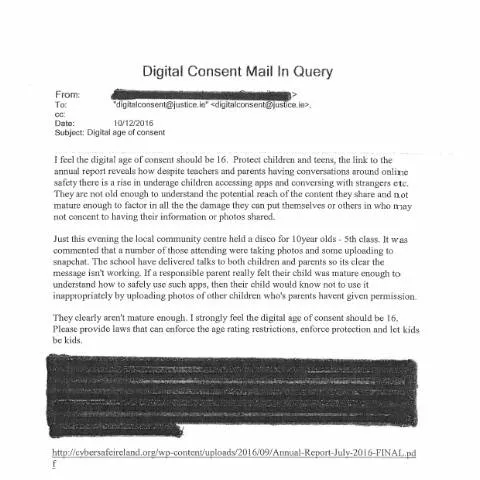
Launched amidst growing concerns regarding underage access to digital content, this consultation document aims to refine the age at which children can consent to data processing and online engagement. The age of consent is currently a contentious topic, with various voices advocating for legislative change to enhance protections for minors.
Through this consultation, the government seeks to gather insights from stakeholders, including parents, educators, and tech companies, to shape policies that affect the digital experiences of children.
Who Should Participate?
The BD50 consultation is primarily targeted at:
- Parents and guardians, concerned about their children's safety online.
- Educators, who witness the impact of digital engagement in schools.
- Child protection advocates, who aim to ensure that minors are safeguarded from exploitation.
- Technology providers, responsible for creating platforms used by young individuals.
Navigating the Requirements: A Step-by-Step Guide
Completing the BD50 consultation involves several stages. Each participant must understand their role and the required documentation to successfully contribute to this critical discussion.
Preparation of Documentation
Before submitting feedback, participants should gather relevant information that reflects their experience and perspective:
- Personal Accounts: Share specific instances that highlight the challenges faced by children online.
- Data and Statistics: Collect relevant data that supports your views, particularly concerning children's online behavior and consent.
- Legal References: Familiarize yourself with existing laws and guidelines related to digital consent and data protection.
Submission Channels
Participants can submit their input through various channels:
- Online Submission: The most efficient method, allowing for immediate feedback entry directly into the consultation portal.
- Paper Submission: For those less comfortable with digital tools, submissions can be mailed directly to the Department of Justice.
- In-Person Workshops: Engage directly with representatives during scheduled consultations for real-time discussions.
Consequences of Inaction: A Growing Concern
Failing to participate in the BD50 consultation can have significant repercussions. Without adequate input from various stakeholders, legislation may not fully address the evolving needs of children in the digital sphere.
Some potential consequences include:
- Increased Vulnerability: Without robust regulations, children remain at risk of exploitation and harm.
- Lack of Awareness: Parents and guardians may not have the knowledge needed to protect their children effectively.
- Stagnation of Policy: Without diverse viewpoints, necessary changes to laws may be delayed or overlooked.
Specific Profiles: Who is Affected?
The implications of the BD50 consultation stretch across various demographics:
| Profile | Concerns | Recommended Actions |
|---|---|---|
| Parents | Protecting their child's online identity and safety. | Engage in discussions and provide input on the consultation. |
| Educators | Managing students' online behavior in classrooms. | Advocate for educational resources on digital safety. |
| Child Advocacy Groups | Ensuring children's rights are upheld. | Lobby for stronger protections and regulations. |
| Technology Developers | Compliance with regulations while creating engaging platforms. | Participate actively to share insights from a tech perspective. |
Legal Context: The Framework Behind BD50
The BD50 consultation takes place within a legal framework that includes the General Data Protection Regulation (GDPR) and the Children’s Online Privacy Protection Act (COPPA). These laws provide a baseline for protecting children's data and privacy online.
Understanding these regulations is essential for participants, as they will inform the recommendations that arise from the consultation.
Implications of GDPR and COPPA
The GDPR mandates that individuals under a certain age require parental consent for data processing activities, while COPPA specifically targets the collection of information from children under 13. The BD50 consultation can lead to legislative recommendations that expand these protections to better suit the digital habits of today’s youth.
The Role of Public Feedback in Shaping Policies
The BD50 consultation underscores the importance of community involvement in shaping legislation. Public feedback provides the government with a clearer understanding of the real-world implications of existing regulations. This collaborative approach fosters a sense of ownership among stakeholders and promotes a safer digital environment for children.
Engagement Strategies for Effective Feedback
To maximize the impact of your feedback, consider the following strategies:
- Be Specific: Use clear and concise language to articulate your concerns and suggestions.
- Provide Examples: Real-life scenarios can illustrate your points more effectively.
- Collaborate: Join forces with local organizations to present a unified voice on key issues.
A Unique Document in a Sea of Forms
The BD50 consultation stands apart from other forms and documents aimed at child protection. Its focus on the digital age of consent is particularly salient, as it addresses contemporary challenges that previous regulations may not have considered.
This distinction highlights the importance of adapting legal frameworks to meet the needs of a society increasingly reliant on digital interactions. By understanding the nuances of BD50, participants can contribute meaningfully to a transformative process that seeks to redefine how we protect our youth online.
What Sets BD50 Apart?
- Focus on Digital Consent: Unlike other forms that may address general child protections, BD50 zeroes in on the specific challenges posed by the online environment.
- Involvement of Diverse Stakeholders: BD50 aims to engage a wide range of participants, reflecting the multifaceted nature of the issue.
- Opportunity for Legislative Change: Direct feedback can lead to meaningful policy shifts that protect children in the digital landscape.
The Future of Children's Digital Rights: What’s Next?
As the BD50 consultation unfolds, stakeholders are encouraged to envision a future where children’s rights and protections adapt seamlessly to technological advancements. The outcomes of this consultation could lay the groundwork for a robust framework that upholds the dignity and safety of minors in the digital world.
In conclusion, active participation in the BD50 consultation is not merely a bureaucratic exercise—it is an opportunity to shape a safer future for the next generation. By understanding the nuances and implications of this document, every participant can play a crucial role in influencing policies that ultimately safeguard our children online.
Understanding the Digital Age of Consent in Ireland
The concept of a digital age of consent is pivotal in shaping how children interact with technology in today's digital landscape. In Ireland, the digital age of consent has been established at 16 years. This means that children aged 16 and over have the legal capacity to consent to the processing of their personal data. However, this regulation, as outlined in the General Data Protection Regulation (GDPR), requires a nuanced understanding of what it means for both children and organizations that handle their data.
Organizations, especially those targeting or collecting data from younger audiences, must be particularly diligent in ensuring compliance with GDPR provisions. One key element is obtaining explicit consent, which refers to a clear affirmative action establishing agreement to the processing of personal data. For children under the age of 16, parental or guardian consent is required, necessitating robust processes to verify the age of users effectively.
This regulatory framework also stipulates that data handling must be transparent, providing accessible information to both children and their guardians about how their data will be used, stored, and potentially shared. The onus lies on organizations to ensure that their privacy notices are not only compliant with the law but also comprehensible for younger audiences. Thus, implementing child-friendly language and formats can significantly enhance the understanding of data practices among minors.
Challenges and Considerations for Businesses
Small and medium-sized enterprises (SMEs) and start-ups may face considerable challenges when establishing safeguards for children's data protection. First and foremost, the financial implications of compliance can be burdensome, particularly for smaller organizations with limited resources. Developing processes for obtaining parental consent, creating child-friendly privacy policies, and training staff on data protection can prove to be significant investments.
Moreover, the landscape of digital engagement with children is constantly evolving, with new platforms, applications, and technologies emerging rapidly. Businesses must remain agile, adapting their data protection measures to encompass new risks and challenges associated with these innovations. Regular reviews and updates of data protection policies are essential not only to comply with regulatory requirements but also to build trust with parents and guardians concerned about their children's safety online.
Furthermore, organizations must consider the international context of data protection laws. Many companies operate across borders, necessitating an understanding of various jurisdictions' standards and regulations. This complexity can create difficulties in ensuring compliance, especially when dealing with a heterogeneous user base with differing ages of consent and data protection norms. Businesses must therefore adopt a proactive and informed approach to navigate these challenges effectively.
Community Engagement and Awareness Initiatives
Raising awareness about children's data protection rights and the implications of the digital age of consent is vital for fostering a safe online environment. Government bodies, educational institutions, and non-profit organizations play a crucial role in spearheading community engagement initiatives. Workshops, seminars, and online resources can provide invaluable education to parents, guardians, and children alike about data protection rights and responsibilities.
Collaboration between stakeholders is essential in creating a comprehensive strategy to address the challenges posed by the digital age of consent. For instance, partnerships between educational institutions and tech companies can lead to the development of curricula focused on digital literacy and data protection. Such initiatives can equip children with the knowledge they need to safeguard their personal data while navigating online spaces.
Additionally, engaging with children directly through interactive campaigns can enhance their understanding of data privacy. Initiatives such as gamified learning experiences or contests focusing on data protection can capture children's attention while imparting crucial information. These programs can bridge the gap between policy and practice, empowering young users to make informed choices about their data online.
Ultimately, fostering a culture of awareness and responsibility regarding children's data protection will require a collective effort from all society sectors. By prioritizing education and community engagement, Ireland can create a safer digital landscape for its children, ensuring their rights are upheld while navigating the complexities of the digital world.