Understanding the Digital Age of Consent in Ireland
The evolution of technology has inevitably influenced the way children interact with digital platforms. As society recognizes the implications of these interactions, especially concerning data protection, the introduction of a formal process to safeguard minors has become paramount. The Consultation on Data Protection Safeguards for Children, also referred to as the digital age of consent, addresses these concerns, providing a framework that balances the rights of children with the responsibilities of data processors and guardians.
Historical Context and Legislative Framework
The concept of digital consent for minors is deeply rooted in international standards aimed at protecting children's rights online. Guiding principles stem from the UN Convention on the Rights of the Child, which highlights the need for protective measures in a rapidly changing digital landscape. In Ireland, this initiative aligns with the General Data Protection Regulation (GDPR), which stipulates that individuals under 16 require parental consent for data processing. Understanding this context is essential for grasping the purpose of the consultation.
- 2018: GDPR comes into effect across the EU, establishing stringent data protection rules.
- 2019: The Irish government launches a public consultation to refine the digital age of consent legislation.
- Current Framework: Ongoing discussions aim to ensure comprehensive safeguards for children in digital environments.
The Role of the Consultation Document
The consultation document serves as a pivotal tool in refining the legislative framework surrounding digital consent for children. It invites stakeholders, including parents, educators, and child advocacy groups, to share their insights and experiences regarding data protection measures. By gathering diverse perspectives, the Department of Justice, Home Affairs and Migration aims to craft a more effective and inclusive approach.
This document is not merely a formality; it represents a commitment to understanding the complexities surrounding digital interactions for minors. Voices from various sectors contribute to shaping guidelines that protect children while allowing for necessary technological engagement.
Key Stakeholders
- Parents and Guardians: Their experiences and concerns regarding their children's online activities are crucial.
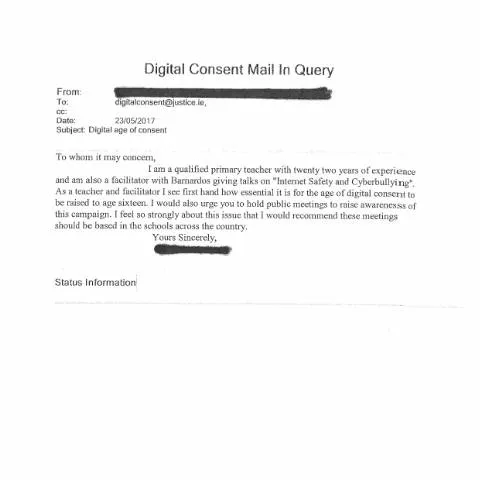
- Educators: Insights from teachers and facilitators who work with children daily can inform practical considerations.
- Child Advocacy Groups: These organizations provide expertise on children's rights and protection.
A Step-by-Step Guide to the Consultation Process
Engaging with the consultation process involves several stages, from initial awareness to final submission. Here’s a breakdown of how this engagement unfolds:
- Awareness Stage: Stakeholders are informed about the consultation through various channels, including public forums and online platforms.
- Preparation: Participants gather relevant information and insights to articulate their perspectives effectively.
- Drafting Responses: Submissions should reflect personal experiences, concerns, and recommendations regarding the digital age of consent.
- Submission: Responses are submitted via the specified channels, typically online or via official forms.
- Review and Feedback: The Department reviews submissions, incorporating valuable insights into their legislative recommendations.
Special Circumstances: Who Needs to Engage?
While the consultation aims to be inclusive, there are specific scenarios where particular attention is warranted. Understanding these can help ensure that all voices are heard:
Foreign Nationals
Foreign nationals residing in Ireland and interacting with digital platforms must also navigate the digital consent landscape. Their unique perspectives, especially regarding cultural differences in data protection, can enrich the consultation. It's essential for them to understand how the proposed regulations may impact their children.
Complex Family Situations
Families with diverse arrangements, such as blended families or guardianship scenarios, may face additional challenges. Engaging with the consultation can provide an opportunity to address these complexities, ensuring that all children receive adequate protection in the digital realm.
Implications for Users: Rights and Responsibilities
The consultation document opens a dialogue about the rights of children and the responsibilities of guardians and service providers. Understanding these implications is crucial for all stakeholders:
- Children’s Rights: Ensuring that children have a clear understanding of their rights regarding their personal data and digital interactions is paramount.
- Guardians' Responsibilities: Parents and guardians need to be aware of their role in safeguarding their children's data, including providing informed consent when required.
- Service Providers' Obligations: Companies processing data from children must implement stringent measures to protect that data and comply with the new guidelines.
Consequences of Inaction
Failure to engage with the consultation or neglecting the responsibilities outlined can have significant consequences:
- Potential data breaches that put children at risk.
- Legal repercussions for service providers who fail to comply with GDPR.
- Loss of trust from parents and children in digital platforms.
Administrative Processing: What Happens After Submission?
Once submissions are made, understanding how the Department processes this information is crucial for transparency and accountability. Here’s what typically occurs:
Review Process
Submissions are carefully reviewed by the Department of Justice. The team analyzes feedback to identify trends and areas of concern. They also ensure that diverse perspectives are considered in their recommendations.
Feedback Loop
Stakeholders may receive acknowledgment of their submissions and, in some cases, follow-up communications if further clarification is needed. This process fosters an environment of ongoing dialogue.
Outcome and Implementation
After the review, the Department will draft recommendations, which may lead to policy changes or new legislation. Stakeholders are typically informed of the outcomes, and future steps for implementation are outlined.
Engagement Beyond the Consultation
While the consultation plays a critical role in shaping legislation, ongoing engagement is essential. Stakeholders should remain involved in discussions about the evolving digital landscape, continuing to share experiences and advocating for robust protections for children.
Public Awareness Campaigns
The Department encourages public awareness campaigns to educate families about data protection. Engaging with local communities, schools, and advocacy groups can amplify the message of safeguarding children's digital rights.
Continuing Education
Ongoing education for parents, educators, and children about digital safety and data protection can foster a more informed society. Workshops, seminars, and online resources can be invaluable in this regard.
The Future of Digital Consent in Ireland
The conversation surrounding the digital age of consent is just beginning. As technology continues to evolve, so too must our approaches to protecting children online. Engaging with the consultation is a vital step in ensuring that children’s rights are upheld in the digital environment, paving the way for a safer and more secure future.
Legislative Developments
As feedback from the consultation is integrated into future policies, stakeholders will have the opportunity to influence how Ireland navigates this complex issue. Keeping abreast of legislative changes will be crucial for all parties involved.
Community Involvement
Communities should prioritize discussions around digital consent, ensuring that local voices contribute to national policy. Forums and workshops can serve as platforms for sharing insights and addressing specific concerns related to the local context.
Understanding the Digital Age of Consent in Ireland
The concept of a digital age of consent primarily revolves around the protection of children in the online environment, particularly with regard to their personal data. Under the General Data Protection Regulation (GDPR), the age of consent for the processing of personal data is set at 16 years in most EU countries, including Ireland. However, Member States have the discretion to lower this threshold to a minimum age of 13.
In Ireland, the Data Protection Act 2018 implements the GDPR and establishes that children under the age of 16 cannot provide valid consent for the processing of their personal data without parental consent. This legal framework aims to safeguard children from potential exploitation in the increasingly digital landscape, where their data may be harvested by various online platforms. Understanding this framework is crucial for both parents and organizations handling children's data.
Furthermore, it is noteworthy that the Irish government, through the Data Protection Commission (DPC), has initiated discussions and consultations to explore what this means in practice. Stakeholders are encouraged to participate in these consultations to voice their perspectives on age verification measures, the implications for educational institutions, and the responsibilities of service providers.
Implications for Educational Institutions and Online Platforms
Educational institutions in Ireland have a pivotal role in the protection of children's data, particularly with the increasing use of digital resources and online learning platforms. Schools must navigate the complexities of data protection laws while ensuring that they provide safe and effective learning environments. With the advent of online learning tools, schools are often required to collect personal data from students, raising questions about consent and parental involvement.
To comply with the legal requirements stemming from the digital age of consent, educational institutions must implement robust policies. These policies should include clear guidelines on how data should be collected, processed, and stored. Additionally, it is essential for schools to provide transparency regarding the methods they use to obtain parental consent when necessary.
On the other hand, online platforms that cater to children must also align their practices with the digital age of consent regulations. This includes ensuring that their services do not inadvertently collect personal data from users under the age of 16 without appropriate parental consent. As part of their accountability, these platforms should develop easy-to-understand communications to inform both children and parents about data usage and protection measures.
Moreover, organizations should also engage in training and awareness initiatives to educate staff, parents, and children about data protection rights and responsibilities. Such measures can help foster a culture of compliance and vigilance surrounding digital data safety.
Future Directions of Data Protection for Children in Ireland
The ongoing discussions surrounding the digital age of consent in Ireland highlight a growing awareness of the need for better data protection measures for children. As technology evolves, so too must the approaches we take to ensure that children's rights are upheld in the digital sphere. Future deliberations may lead to changes in the existing legal framework, potentially influencing the age of consent based on societal trends and technological advancements.
There is also a pressing need for collaboration between various stakeholders, including government bodies, educational institutions, technology companies, and civil society. This multi-faceted approach can ensure that children's voices are included in the conversation surrounding data protection. Engagement with children can provide valuable insights into their digital experiences, allowing for a more tailored and effective data protection strategy that reflects their needs.
As Ireland continues to refine its policies on data protection for children, it will be essential to monitor international trends and best practices. Other EU countries have begun to experiment with different approaches to the digital age of consent, and Ireland could benefit from these experiences. Ultimately, the goal should be to strike a balance between the advancement of technology and the safeguarding of children's rights, creating a digital environment where children can thrive without compromising their privacy and safety.