When Your Custom Build Meets Official Requirements
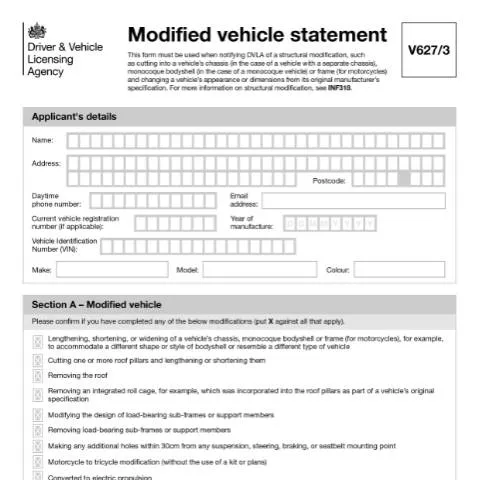
The moment you cut into a vehicle's chassis, weld on custom bodywork, or fundamentally alter its structure, you've crossed a regulatory threshold that triggers specific DVLA obligations. The Modified vehicle statement (V627/3) serves as the critical bridge between your engineering creativity and legal compliance, ensuring that structural modifications receive proper official recognition.
This declaration becomes mandatory when modifications go beyond superficial changes to affect the vehicle's fundamental structure. Whether you're shortening a chassis for a custom build, removing load-bearing members for a specialised conversion, or cutting roof pillars to create a unique design, the V627/3 ensures DVLA maintains accurate records of your vehicle's altered specification.
The form addresses a specific regulatory gap: whilst cosmetic modifications like paint changes or wheel upgrades require no official notification, structural alterations can affect everything from insurance validity to MOT testing procedures. By completing the V627/3, you're formally declaring these changes and providing the documentation trail that future owners, insurers, and testing stations will need.
Structural Modifications That Trigger the V627/3 Requirement
The form's Section A presents a comprehensive checklist of modifications that cross the structural threshold, each carrying different implications for your vehicle's legal status and future roadworthiness assessments.
Chassis and Frame Alterations
Lengthening, shortening, or widening modifications represent perhaps the most common trigger for V627/3 submission. These changes fundamentally alter the vehicle's dimensions and can affect everything from weight distribution to crash performance. Classic examples include stretch limousine conversions, where professional builders extend the chassis to accommodate additional seating, or short-wheelbase modifications for enhanced manoeuvrability.
Similarly, cutting one or more roof pillars triggers the requirement, as these structural elements provide crucial rollover protection. Convertible conversions often necessitate this modification, requiring careful engineering to maintain structural integrity through alternative reinforcement methods.
Load-Bearing Structure Changes
The form specifically addresses modifications to load-bearing sub-frames or support members, whether through design changes or complete removal. These components distribute vehicle weight and stress loads, making their alteration particularly significant for safety and performance characteristics.
Removing integrated roll cages that were incorporated into the original specification also requires declaration. This commonly occurs when track-focused vehicles are converted for road use, or when race-prepared cars undergo restoration to original specification.
Mounting Point Modifications
Any additional holes within 30cm of suspension, steering, braking, or seatbelt mounting points must be declared, reflecting the critical safety implications of modifications in these areas. This provision catches modifications that might seem minor but could compromise the integrity of essential safety systems.
| Modification Type | Common Applications | Additional Considerations |
|---|---|---|
| Chassis cutting/welding | Custom builds, limousines, specialist vehicles | May require engineering certification |
| Roof pillar removal | Convertible conversions, sunroof installations | Alternative structural reinforcement essential |
| Load-bearing changes | Engine swaps, weight reduction, racing modifications | Impact on vehicle handling characteristics |
| Mounting point drilling | Aftermarket suspension, brake upgrades, safety equipment | Potential MOT testing implications |
Motorcycle to Tricycle Conversions and Electric Propulsion Changes
The V627/3 addresses two increasingly common modification scenarios that require specific regulatory attention beyond standard structural changes.
Tricycle Conversion Protocols
Motorcycle to tricycle modification without using kit or plans represents a unique category requiring V627/3 submission. This distinguishes between professional conversion kits with established approval routes and bespoke modifications requiring individual assessment.
The distinction matters significantly for licensing purposes. Tricycle conversions can affect the driving licence requirements, with some three-wheeled vehicles requiring different licence categories depending on their power output and configuration. The V627/3 ensures DVLA can properly categorise the modified vehicle for licensing and taxation purposes.
Electric Propulsion Conversions
Conversion to electric propulsion triggers V627/3 requirements due to the fundamental changes in vehicle characteristics. Electric conversions typically involve substantial modifications to accommodate battery packs, electric motors, and charging systems, often requiring structural alterations to the chassis or body.
These conversions carry particular significance for vehicle taxation, as electric vehicles often qualify for reduced or zero road tax rates. The V627/3 provides the official documentation trail needed to support applications for these tax benefits, whilst ensuring DVLA records accurately reflect the vehicle's propulsion method for future reference.
Documentation Requirements and Supporting Evidence
Section B of the V627/3 establishes a clear hierarchy of supporting documentation, with different requirements depending on your specific modification type and vehicle characteristics.
Essential Documentation for All Submissions
Every V627/3 submission must include the completed form itself alongside the current V5C registration certificate. The V5C requirement ensures DVLA can properly link your modification declaration to the correct vehicle record and update the registration details accordingly.
For vehicles requiring owner's club supporting evidence, this typically applies to modifications on classic or specialist vehicles where established marque clubs provide technical expertise. These clubs often maintain detailed knowledge of acceptable modifications and can provide valuable context for unusual or period-appropriate changes.
Post-Modification Testing Requirements
The form strongly recommends MOT testing following structural modifications for vehicles over 40 years old, even though such vehicles are normally exempt from annual MOT requirements. This recommendation reflects the potential safety implications of structural changes and provides valuable independent verification of the modification's impact on roadworthiness.
For motorcycle to tricycle conversions, a Motorcycle Single Vehicle Approval (MSVA) becomes mandatory where tricycle attachment welding has occurred. This specialised testing regime ensures the conversion meets appropriate safety standards and provides the certification needed for continued road use.
Detailed Modification Descriptions and Technical Specifications
The form's open text section serves a crucial function in capturing modification details that don't fit standard categories, requiring careful consideration of what information to include and how to present it effectively.
Engineering Detail Requirements
When describing structural modifications, focus on specific technical details rather than general descriptions. Include measurements, materials used, welding techniques employed, and any engineering calculations or professional consultations undertaken. This level of detail helps DVLA assessors understand the modification's scope and potential implications.
For example, rather than stating "modified suspension mounting points," provide details such as "relocated front suspension mounting points 25mm forward using 10mm steel reinforcement plates, welded using TIG process to original chassis rails." This specificity demonstrates professional approach and aids future reference.
Safety Consideration Documentation
Include information about how modifications affect vehicle safety systems. If structural changes impact crumple zones, describe compensating measures taken. When modifications affect weight distribution, explain any adjustments made to suspension settings or brake bias.
Professional engineering input should be clearly documented, including the engineer's qualifications and any calculations or assessments provided. This information proves particularly valuable if questions arise during future MOT tests or insurance assessments.
Submission Process and DVLA Processing Procedures
The V627/3 follows a postal submission route to DVLA's specialist Kits and Rebuilds department in Swansea, reflecting the technical nature of structural modification assessments and the need for detailed document review.
Postal Submission Requirements
All applications must be sent to the Kits and Rebuilds D10 department at DVLA Swansea SA99 1ZZ. This specialised unit handles complex vehicle modifications and maintains the expertise needed to assess structural changes appropriately.
The postal requirement reflects the need for original documentation review, particularly for V5C certificates and professional engineering reports that may accompany complex modifications. Digital copies cannot substitute for original documents in this process.
Processing Timeline Expectations
Whilst DVLA doesn't specify processing times for V627/3 submissions, the specialist nature of the assessment means processing typically takes longer than standard vehicle registration changes. Complex modifications requiring engineering assessment or clarification may extend processing times further.
During processing, DVLA may request additional information or clarification about specific aspects of your modification. Providing comprehensive initial documentation helps minimise such requests and expedites the assessment process.
Legal Implications and Ongoing Compliance Obligations
Submitting a V627/3 creates ongoing legal obligations and affects various aspects of vehicle ownership, from insurance requirements to future sale procedures.
Insurance and Liability Considerations
Structural modifications can significantly impact insurance coverage, with many insurers requiring detailed information about changes before providing cover. The V627/3 provides official documentation of modifications, helping ensure accurate insurance assessment and avoiding potential coverage disputes.
Undeclared structural modifications can void insurance coverage entirely, making the V627/3 submission a crucial protective measure. Some insurers may require engineering reports or specialist assessments for certain modification types, using the V627/3 as the starting point for their evaluation process.
Future Sale and Transfer Obligations
When selling a structurally modified vehicle, the V627/3 submission history becomes part of the vehicle's permanent record. Future owners can access this information through DVLA, ensuring transparency about the vehicle's modification history.
This documentation trail proves particularly valuable for classic and specialist vehicles, where modification history can significantly impact value and desirability. Professional modifications with proper V627/3 documentation often command premium prices compared to undocumented changes.
Common Modification Scenarios and Specific Guidance
Different modification types present unique challenges and requirements, with some scenarios requiring additional considerations beyond the standard V627/3 process.
Kit Car and Replica Vehicle Builds
Whilst purpose-built kit cars often follow different approval routes, modifications to existing vehicles using kit car techniques may still require V627/3 submission. This commonly occurs when classic cars receive modern running gear or when production vehicles undergo extensive bodywork changes.
The key distinction lies in whether you're building a new vehicle from components (requiring Individual Vehicle Approval) or modifying an existing registered vehicle (requiring V627/3 submission). The existing V5C certificate usually determines which route applies.
Commercial Vehicle Conversions
Commercial vehicle modifications for specialist applications often involve substantial structural changes requiring V627/3 submission. Examples include horsebox conversions, mobile workshop builds, or emergency service vehicle modifications.
These conversions frequently affect vehicle taxation categories, as changes from commercial to specialised use can impact road tax rates and operator licensing requirements. The V627/3 provides the documentation needed to support applications for appropriate tax classifications.
Remember that structural modifications can affect more than just DVLA records – they may impact MOT testing procedures, insurance coverage, and even driving licence requirements depending on the changes made. The V627/3 serves as your formal declaration of these changes, creating the official record that protects both you and future owners.
Common Modifications Requiring V627/3 Declaration
Understanding which specific vehicle modifications trigger the need for a V627/3 form helps avoid compliance issues with DVLA requirements. The scope extends beyond obvious alterations, encompassing subtle changes that might initially seem insignificant but legally constitute modifications requiring declaration.
Engine and Performance Modifications
Engine swaps represent one of the most complex modification categories requiring V627/3 submission. Whether replacing a petrol engine with diesel, upgrading to a larger capacity unit, or installing electric conversion systems, each scenario demands detailed documentation. The DVLA requires comprehensive evidence including engine numbers, capacity changes, and emissions data where applicable.
Turbocharger or supercharger additions to naturally aspirated engines constitute significant modifications, even when using manufacturer-approved kits. Similarly, engine remapping or ECU modifications that alter power output beyond original specifications require declaration, particularly when insurance implications arise or when changes affect vehicle taxation bands.
Fuel system conversions present unique challenges, especially LPG (Liquefied Petroleum Gas) or CNG (Compressed Natural Gas) installations. These modifications often require additional safety certificates and may affect vehicle weight distribution, necessitating comprehensive documentation including installer certifications and safety compliance evidence.
Structural and Body Modifications
Chassis modifications demand particular attention, as they directly impact vehicle safety and legal compliance. Stretching or shortening vehicle wheelbase, reinforcing chassis members, or altering suspension mounting points all require V627/3 declaration. Even seemingly minor changes like fitting different suspension components that alter ride height significantly may necessitate form submission.
Body modifications extend beyond aesthetic changes to include functional alterations affecting vehicle classification. Converting estate cars to pickup configurations, removing rear seats permanently, or modifying commercial vehicles for different payload capacities all trigger V627/3 requirements. Window tinting beyond legal limits, while primarily a construction and use issue, may also require declaration in certain circumstances.
Accessibility modifications for disabled drivers often require V627/3 submission, particularly when involving structural changes like wheelchair ramps, hand controls affecting steering mechanisms, or adaptations requiring vehicle floor modifications. These changes, while essential for mobility, must be properly documented to maintain legal compliance.
Weight and Dimension Changes
Modifications affecting vehicle dimensions or weight distribution require careful documentation. Adding roof boxes permanently, extending vehicle length through towbar installations that exceed standard specifications, or fitting wide-arch body kits that alter overall width may necessitate V627/3 submission depending on the extent of changes.
Internal modifications affecting passenger or cargo capacity, such as removing seats to create additional storage space or installing heavy equipment that significantly alters weight distribution, often require declaration. Commercial vehicle operators face particular scrutiny regarding modifications affecting payload calculations or loading configurations.
Documentation Requirements and Supporting Evidence
Successful V627/3 processing relies heavily on comprehensive supporting documentation that validates modification details and demonstrates compliance with relevant regulations. The DVLA's assessment process becomes significantly more efficient when applicants provide thorough, well-organised evidence packages.
Technical Certification and Professional Reports
Professional certification forms the cornerstone of modification documentation. Qualified engineers must provide detailed reports for significant structural or safety-related changes, including stress analysis for chassis modifications, electrical safety certificates for lighting alterations, and emissions testing results for engine modifications affecting environmental compliance.
MOT testing station reports carry particular weight, especially when modifications have been assessed during routine testing. Obtaining a voluntary MOT test specifically to document modification compliance provides valuable supporting evidence, particularly for borderline cases where DVLA assessment might otherwise require additional verification.
Insurance documentation plays a crucial role, as insurers conduct their own modification assessments. Policy endorsements specifically acknowledging modifications and confirming continued coverage provide strong supporting evidence that professional risk assessors have evaluated the changes as acceptable.
Photographic Evidence Standards
High-quality photographic documentation must follow specific guidelines to support V627/3 applications effectively. Images should clearly show modification details, including close-up shots of technical components, wide-angle views demonstrating integration with existing vehicle systems, and comparison images highlighting changes from standard specification where possible.
Before and after photographs provide valuable context, particularly for gradual modifications completed over time. Date-stamped images help establish modification timelines, which can be crucial when determining compliance with changing regulations or when modifications span multiple regulatory periods.
Technical component photography should include visible part numbers, manufacturer markings, and installation details that demonstrate professional workmanship. Poor quality images or insufficient detail often result in processing delays while DVLA requests additional evidence or arranges physical inspections.
Manufacturer and Supplier Documentation
Original equipment manufacturer (OEM) documentation provides authoritative evidence for approved modifications. Factory option lists, technical service bulletins, and official retrofit kits carry significant weight in DVLA assessments, particularly when modifications use manufacturer-approved components and installation procedures.
Aftermarket supplier documentation must include comprehensive technical specifications, installation instructions, and compliance certificates where applicable. European Conformity (CE) marking, British Standards compliance certificates, and professional installer warranties all contribute to building robust evidence packages.
Component traceability becomes particularly important for safety-critical modifications. Maintaining purchase receipts, supplier certifications, and installation records helps demonstrate due diligence and professional approach to vehicle modification, factors that influence DVLA assessment outcomes.
Processing Timeline and Potential Complications
V627/3 processing involves multiple assessment stages that can significantly impact timeline expectations. Understanding potential delays and complication factors helps applicants plan appropriately and avoid common pitfalls that extend processing periods unnecessarily.
Standard Processing Stages and Timeframes
Initial application screening typically occurs within five working days of receipt, during which DVLA staff verify form completion and assess documentation adequacy. Complete applications with comprehensive supporting evidence generally progress to technical assessment within two weeks, though complex modifications may require specialist review extending this timeframe.
Technical assessment duration varies considerably depending on modification complexity and current DVLA workload. Straightforward modifications with clear compliance documentation might complete assessment within three to four weeks, while complex engineering changes requiring specialist consultation can extend processing to eight weeks or longer.
Physical inspection requirements add significant time to processing schedules. When DVLA determines that hands-on assessment is necessary, appointment scheduling typically adds four to six weeks to overall timelines, with additional delays possible in areas where inspection capacity is limited or during peak application periods.
Common Causes of Processing Delays
Incomplete documentation represents the most frequent cause of processing delays. Missing technical certificates, inadequate photographic evidence, or insufficient modification details force DVLA to request additional information, effectively restarting the assessment process and adding several weeks to overall timelines.
Regulatory compliance questions often emerge during technical assessment, particularly for modifications involving new technologies or unusual applications. When modifications fall into regulatory grey areas, DVLA may need to consult with other agencies such as the Vehicle Certification Agency (VCA) or seek specialist technical opinions, extending processing considerably.
Insurance complications frequently delay processing, especially when modifications affect vehicle classification or risk assessment. DVLA may require confirmation that appropriate insurance coverage remains in place, necessitating correspondence with insurance providers and potentially requiring policy amendments before processing can continue.
Appeal and Reconsideration Procedures
Rejected V627/3 applications trigger specific appeal procedures that applicants must understand to preserve their modification rights. Initial rejection notices include detailed explanations of concerns and requirements for addressing identified issues, providing roadmaps for successful resubmission.
Formal appeal procedures allow applicants to challenge DVLA decisions through structured review processes. Appeals must address specific rejection reasons with additional evidence or technical arguments, and may involve independent technical assessment where disputes concern engineering or safety aspects of modifications.
Professional representation becomes valuable in complex appeal cases, particularly when modifications involve cutting-edge technology or when regulatory interpretation questions arise. Specialist automotive lawyers or technical consultants can provide expertise that significantly improves appeal success rates in challenging cases.