When Mental Capacity Issues Complicate Probate Applications
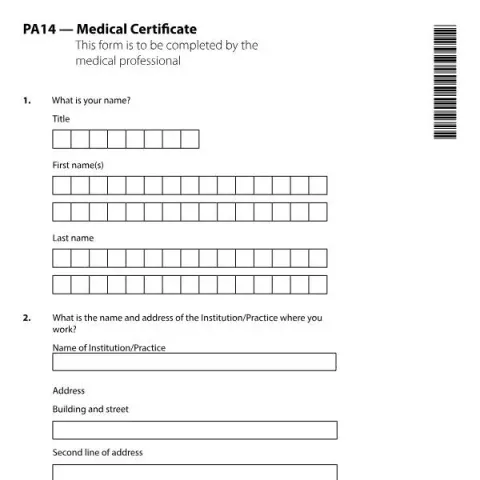
Probate proceedings can become particularly complex when the intended applicant for a Grant of Representation lacks the mental capacity to manage their own affairs. The PA14 Medical Certificate serves as a crucial document in these circumstances, providing the legal foundation for alternative arrangements when someone who would normally apply for probate cannot do so due to mental impairment or cognitive disturbance.
This specialised certificate addresses situations where, for instance, the sole surviving executor named in a will develops dementia, or where the next of kin entitled to apply for letters of administration suffers from a brain injury that affects their decision-making capacity. Without this medical certification, the probate process could stall indefinitely, leaving estates in legal limbo and beneficiaries unable to access their inheritance.
The certificate must be completed by qualified medical professionals who have sufficient knowledge of the patient's condition to make an authoritative assessment of their capacity under the Mental Capacity Act 2005. This isn't merely a routine medical form—it carries significant legal weight and directly influences how the probate court will proceed with estate administration.
Professional Requirements and Medical Authority
The PA14 certificate demands completion by medical professionals with appropriate qualifications and direct knowledge of the patient's condition. The form specifically requires the medical practitioner to state their professional qualifications and detail their relationship with the patient, including the duration of their medical attendance.
This requirement ensures that only medical professionals with genuine expertise and sustained knowledge of the patient's condition can provide the certification. A consultant psychiatrist who has treated the patient for several years carries different evidential weight than a general practitioner who has only recently encountered them. The court needs to understand the professional context and the depth of medical knowledge underlying the capacity assessment.
| Medical Professional Type | Typical Qualifications Required | Duration of Care Consideration |
|---|---|---|
| Consultant Psychiatrist | MRCPsych, specialist registration | Ongoing treatment relationship preferred |
| General Practitioner | MRCGP or equivalent, GMC registration | Minimum several consultations over time |
| Geriatrician | Specialist registration in elderly care | Assessment period relevant to condition |
| Neurologist | Specialist neurology qualifications | Depends on specific neurological condition |
The institutional affiliation also matters significantly. The form requires the complete address and name of the medical institution or practice, establishing the professional credibility and enabling verification of the medical practitioner's credentials if necessary.
Capacity Assessment Under Mental Capacity Act 2005
The heart of the PA14 certificate lies in section 7, where the medical professional must certify that the patient suffers from "an impairment of, or a disturbance in the functioning of, the mind or brain" that renders them unable to make decisions regarding probate applications and estate administration. This assessment must align precisely with the Mental Capacity Act 2005 framework.
The medical professional cannot simply note that the patient has a diagnosed condition—they must specifically confirm that this condition prevents the individual from understanding and making decisions about probate matters. Someone might have early-stage dementia but still retain capacity for certain decisions, while another person with a severe brain injury might lack capacity across all areas of decision-making.
Legal Implications and Estate Administration Pathways
Once a PA14 certificate establishes lack of capacity, the probate process typically follows one of several alternative pathways. If the incapacitated person is the sole executor, the court may need to appoint substitute personal representatives. This often involves identifying the residuary beneficiaries or next of kin who can step forward to administer the estate.
Where the incapacitated individual is entitled to apply for letters of administration in an intestacy situation, the court will usually move to the next person in the statutory order of priority. However, this process isn't automatic—formal applications must be made, and the PA14 certificate provides the medical evidence necessary to justify bypassing the person who would normally have the primary right to apply.
Impact on Estate Distribution Timelines
The requirement for medical certification inevitably extends estate administration timelines. Obtaining a properly completed PA14 certificate typically takes several weeks, particularly if the medical professional needs to conduct additional assessments or review extensive medical records to make their capacity determination.
Furthermore, once the certificate is obtained, alternative applicants must prepare their own probate applications, gather the necessary documentation, and potentially provide additional evidence about their entitlement to act. This process can add several months to what might otherwise be a straightforward probate application, though it's essential for ensuring proper legal authority.
Navigating Complex Family Dynamics and Medical Assessments
The PA14 certification process often occurs against a backdrop of family disagreement or concern about the proposed applicant's capacity. Family members may have differing views about whether their relative truly lacks capacity, particularly in cases involving mild cognitive impairment or fluctuating conditions.
Medical professionals completing the certificate must base their assessment on clinical evidence rather than family opinions or concerns. They need to evaluate the specific cognitive functions required for understanding probate applications—comprehending the nature of the deceased's assets, understanding legal obligations as a personal representative, and grasping the implications of estate distribution decisions.
Conditions Commonly Requiring PA14 Certification
Certain medical conditions frequently necessitate PA14 certification in probate matters. Dementia represents the most common scenario, but the assessment focuses on functional capacity rather than diagnostic labels. Someone with mild Alzheimer's disease might retain capacity for probate decisions, while another person with the same diagnosis at a different stage might clearly lack such capacity.
- Progressive neurological conditions: Alzheimer's disease, vascular dementia, Parkinson's disease with cognitive decline
- Acquired brain injuries: Traumatic brain injury, stroke affecting cognitive function, brain tumours
- Psychiatric conditions: Severe depression with cognitive impairment, psychotic disorders affecting judgment
- Developmental conditions: Severe learning disabilities, autism spectrum disorders affecting decision-making capacity
- Substance-related impairment: Alcohol-related brain damage, chronic substance use affecting cognitive function
The medical professional must distinguish between temporary incapacity that might improve with treatment and permanent or progressive conditions that are unlikely to resolve. This distinction affects whether the probate process should be delayed pending potential recovery or whether alternative arrangements should proceed immediately.
Documentary Requirements and Supporting Evidence
While the PA14 certificate itself is relatively concise, medical professionals often need to review extensive documentation before completing it. This might include previous neuropsychological assessments, brain imaging results, psychiatric evaluations, or detailed clinical notes documenting the progression of the patient's condition.
The certificate requires specific information about the deceased person whose estate is subject to the probate application. This ensures that the capacity assessment relates specifically to decisions about that particular estate rather than general capacity considerations. The medical professional must understand that their certification will directly influence legal proceedings concerning the named deceased's assets and beneficiaries.
Verification and Authentication Processes
HM Courts & Tribunals Service may require additional verification of PA14 certificates, particularly in high-value estates or contested situations. The court registry can contact the medical professional directly to confirm the certificate's authenticity or request clarification about specific aspects of the capacity assessment.
Medical professionals should therefore retain copies of completed certificates and supporting documentation, as they may need to provide additional information or testimony if the capacity assessment becomes subject to legal challenge. The signature requirements are particularly important—while signatures can be handwritten or typed, they must be clearly attributable to the named medical professional.
Addressing Disputes and Alternative Arrangements
Situations occasionally arise where family members or other interested parties dispute the capacity assessment reflected in a PA14 certificate. Someone might argue that their relative retains sufficient capacity for probate decisions, or conversely, that the medical assessment was insufficiently thorough or based on outdated information.
When capacity is genuinely disputed, the court may order an independent medical assessment or request additional evidence about the person's decision-making abilities. This might involve appointing a court-appointed deputy under the Court of Protection's jurisdiction, particularly if the incapacitated person has significant assets requiring ongoing management beyond the immediate probate process.
The PA14 certificate can also trigger broader considerations about the incapacitated person's need for lasting powers of attorney or deputyship arrangements. While the certificate addresses the specific issue of probate capacity, it may highlight wider concerns about the person's ability to manage their financial affairs or make healthcare decisions.
Cross-Border Considerations and Recognition
For estates with assets in multiple jurisdictions, a PA14 certificate completed for English probate proceedings may require additional validation or equivalent documentation in other countries. Scotland and Northern Ireland have their own legal frameworks for capacity assessment, while international assets may require medical evidence meeting different legal standards.
Medical professionals should be aware that their certification might have implications beyond the immediate English probate application, particularly if the estate includes property or investments in other jurisdictions with different requirements for demonstrating incapacity.
Practical Considerations for Medical Professionals and Families
Medical professionals approached to complete PA14 certificates should ensure they have current, comprehensive knowledge of the patient's condition before proceeding. This might require recent consultations, review of specialist assessments, or coordination with other healthcare providers involved in the patient's care.
The assessment must specifically address the cognitive functions required for probate decision-making: understanding the nature and value of assets, comprehending legal responsibilities as a personal representative, appreciating the implications of distribution decisions for beneficiaries, and retaining this information sufficiently to make reasoned choices.
Families should understand that obtaining a PA14 certificate represents just one step in resolving probate applications where capacity issues arise. The certificate enables alternative arrangements to proceed, but doesn't automatically confer authority on substitute applicants—they must still satisfy all other probate requirements and demonstrate their own entitlement to act as personal representatives.
The timing of medical assessments can be crucial, particularly for conditions involving fluctuating capacity. Medical professionals should consider whether the assessment represents the person's baseline capacity or whether it might reflect a temporary deterioration that could improve with treatment or time. This clinical judgment directly affects whether probate proceedings should proceed with alternative arrangements or whether a period of delay might be more appropriate.
When Medical Evidence Becomes Disputed or Insufficient
Whilst Form PA14 serves as the standard medical certificate for probate proceedings, situations occasionally arise where the submitted medical evidence faces challenges or proves inadequate for the court's requirements. Understanding these scenarios helps executors prepare more robust applications and navigate potential complications.
The Probate Registry may question medical certificates when inconsistencies appear between the stated cause of death and the circumstances surrounding the deceased's final days. For instance, if a PA14 indicates natural causes but family members or creditors raise concerns about sudden deterioration, additional medical documentation might be requested. This commonly occurs in cases involving elderly individuals where the timeline between diagnosis and death appears unusually compressed.
Coroners' involvement significantly impacts PA14 requirements. When a death has been reported to the coroner—whether due to suspicious circumstances, medical negligence concerns, or deaths occurring within 24 hours of medical procedures—the standard PA14 may be superseded by more detailed forensic reports. Executors should note that coroners' investigations can substantially delay probate proceedings, sometimes extending timelines by several months whilst inquiries conclude.
Professional medical disagreements occasionally emerge, particularly in complex cases involving multiple treating physicians. When the certifying doctor's assessment conflicts with specialist consultants' records, the Probate Registry may require supplementary statements from all involved medical professionals. This scenario frequently arises in cancer cases where treatment protocols changed rapidly or experimental therapies were employed.
Mental capacity assessments present another layer of complexity. If the deceased's testamentary capacity was questioned during their final months, Form PA14 alone may prove insufficient. Medical certificates stating dementia or cognitive impairment as contributing factors often trigger requests for detailed psychiatric evaluations, GP records spanning several years, and witness statements from family members who observed the deceased's mental state during will-making periods.
International complications arise when British nationals die abroad or foreign residents die in the UK. Medical certificates issued by overseas practitioners may require official translation, apostille certification, and additional verification through British consular services. The PA14 format may not align with foreign medical certification standards, necessitating supplementary documentation to bridge procedural gaps.
Disputed inheritance cases frequently scrutinise medical evidence more intensively. When beneficiaries contest will validity or family members allege undue influence, medical certificates become crucial evidence in establishing the deceased's physical and mental condition during critical periods. Courts may order independent medical reviews of all available health records, extending well beyond the immediate cause of death documented in Form PA14.
Fill in your form directly online
No printing: type your details into the boxes of the official form, tick, then download the PDF ready to send.
- 1Type into the form boxes
- 2Tick in one click
- 3Save and download the PDF
Digital Transformation and Electronic Medical Records
The NHS's ongoing digitisation significantly impacts how medical information supporting Form PA14 is gathered, verified, and submitted to probate authorities. Electronic health records have revolutionised the speed and accuracy with which medical professionals can compile comprehensive medical histories for deceased patients.
GP practices now utilise integrated systems connecting to hospital records, specialist consultations, and prescription databases. This connectivity enables more thorough PA14 completion, as certifying doctors can access complete medical timelines rather than relying solely on recent treatment records. The enhanced data availability particularly benefits cases where patients received care across multiple NHS trusts or private healthcare providers.
Digital prescription records prove invaluable when establishing medication-related death causes. Electronic prescribing systems maintain detailed logs of dispensed medications, dosage changes, and interaction warnings that may have contributed to the deceased's final condition. This information supports more accurate PA14 completion whilst providing audit trails for any subsequent medical inquiries.
Telemedicine consultations, increasingly common following the COVID-19 pandemic, create new documentation challenges for PA14 completion. Virtual appointments generate different record types compared to traditional face-to-face consultations, potentially affecting how medical professionals assess and document the deceased's final health status. Remote monitoring data from devices tracking chronic conditions adds another layer of medical evidence that may inform PA14 submissions.
Data protection regulations under the UK GDPR influence how electronic medical records are accessed posthumously. Medical professionals must balance comprehensive PA14 completion with privacy obligations to the deceased's estate. Specific consent mechanisms have evolved to ensure appropriate medical information disclosure whilst maintaining confidentiality for sensitive health data unrelated to the death cause.
Blockchain technology and distributed health records represent emerging trends that may eventually impact probate medical certification. Pilot programmes exploring immutable health record systems could enhance PA14 accuracy by providing tamper-proof medical histories, though widespread implementation remains years away from affecting routine probate proceedings.
Artificial intelligence applications in medical record analysis are beginning to influence death certification accuracy. AI systems can identify potential medication interactions, flag unusual symptom progressions, and highlight missing diagnostic information that human reviewers might overlook. These technological advances may eventually streamline PA14 preparation whilst reducing medical certification errors that currently delay probate proceedings.
Cross-border data sharing agreements between UK health systems and international medical providers increasingly affect PA14 completion for globally mobile individuals. Digital health passports and international medical record portability initiatives may simplify medical evidence gathering for British expatriates or foreign nationals with UK estates.
Regulatory Framework and Professional Standards
Form PA14 operates within a complex regulatory environment governed by multiple professional bodies, each maintaining specific standards for medical certification in legal proceedings. Understanding this framework helps executors appreciate why certain medical evidence requirements exist and how they protect estate administration integrity.
The General Medical Council (GMC) establishes core standards for medical certificate completion, including PA14 submissions. GMC guidance emphasises factual accuracy, appropriate medical terminology, and clear distinction between direct causes of death and contributing factors. Medical professionals risk disciplinary action for negligent or fraudulent certificate completion, creating strong incentives for thorough and honest PA14 documentation.
The Royal College of Pathologists provides specialised guidance for complex death certification scenarios, particularly relevant when post-mortem examinations inform PA14 completion. Their standards address tissue sampling protocols, toxicology testing requirements, and appropriate documentation of findings that may influence probate proceedings. These professional standards ensure consistent medical evidence quality across different healthcare providers.
Coroners' courts operate under distinct statutory frameworks that occasionally intersect with PA14 requirements. The Coroners and Justice Act 2009 defines circumstances requiring coroner involvement, which can supersede standard medical certification processes. Executors should understand that coroner investigations may produce medical evidence that supplements or replaces initial PA14 submissions.
Medical defence organisations increasingly provide guidance on probate-related medical certification, recognising the legal implications of inaccurate or incomplete PA14 forms. Professional indemnity considerations influence how medical practitioners approach death certification, particularly in cases involving potential negligence claims or disputed medical treatment decisions.
NHS trust policies regarding posthumous medical record disclosure directly impact PA14 completion quality. Standardised procedures ensure appropriate medical information access whilst protecting patient confidentiality and family privacy. These institutional frameworks create consistent approaches to medical evidence gathering across different healthcare providers.
International medical certification standards, particularly those established by the World Health Organization, influence UK practices through professional training and continuing education requirements. Medical professionals trained overseas must understand UK-specific PA14 requirements whilst maintaining competency in their original certification frameworks.
Quality assurance mechanisms within healthcare systems increasingly monitor death certification accuracy, including PA14 submissions. Regular audits of medical certificates identify common errors, knowledge gaps, and training needs that affect probate proceedings. These systematic reviews drive continuous improvement in medical evidence quality.
Professional liability insurance requirements reflect the legal significance of medical certification in probate proceedings. Insurance providers assess PA14-related risks when establishing coverage terms, recognising that inaccurate medical certificates can expose healthcare professionals to litigation from estate beneficiaries or creditors.